929 kr
Sriram Kalaga – författare
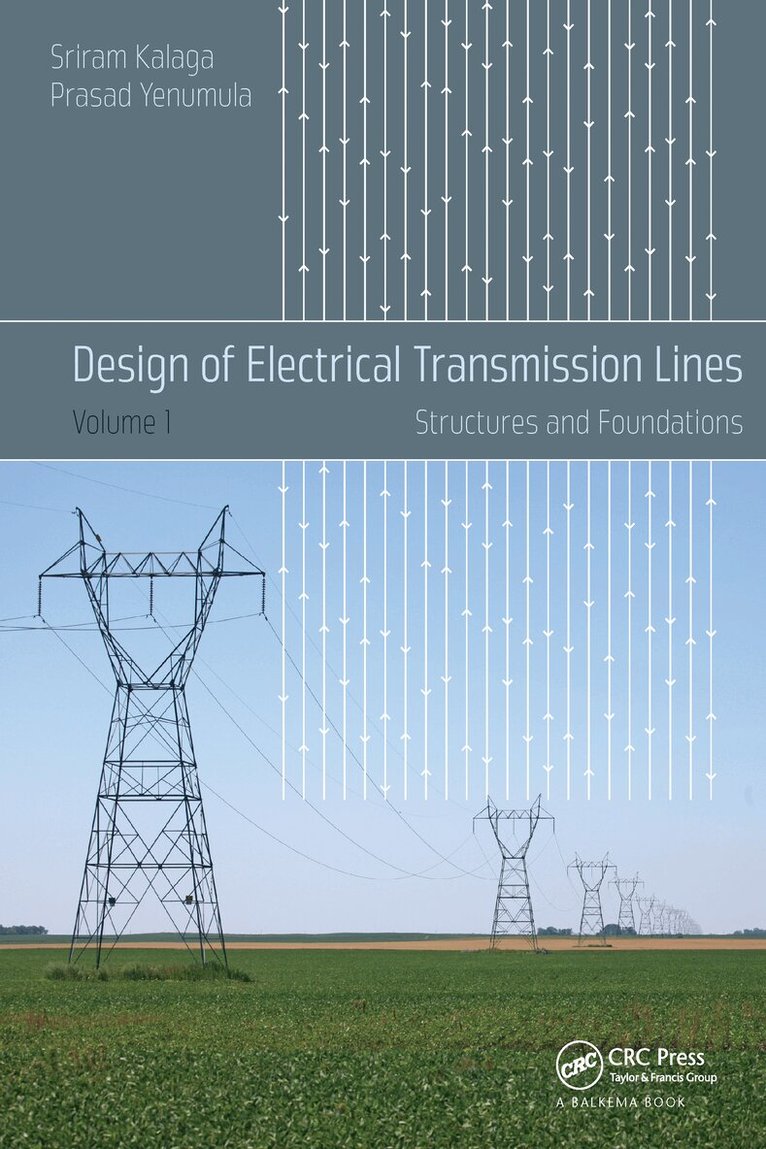
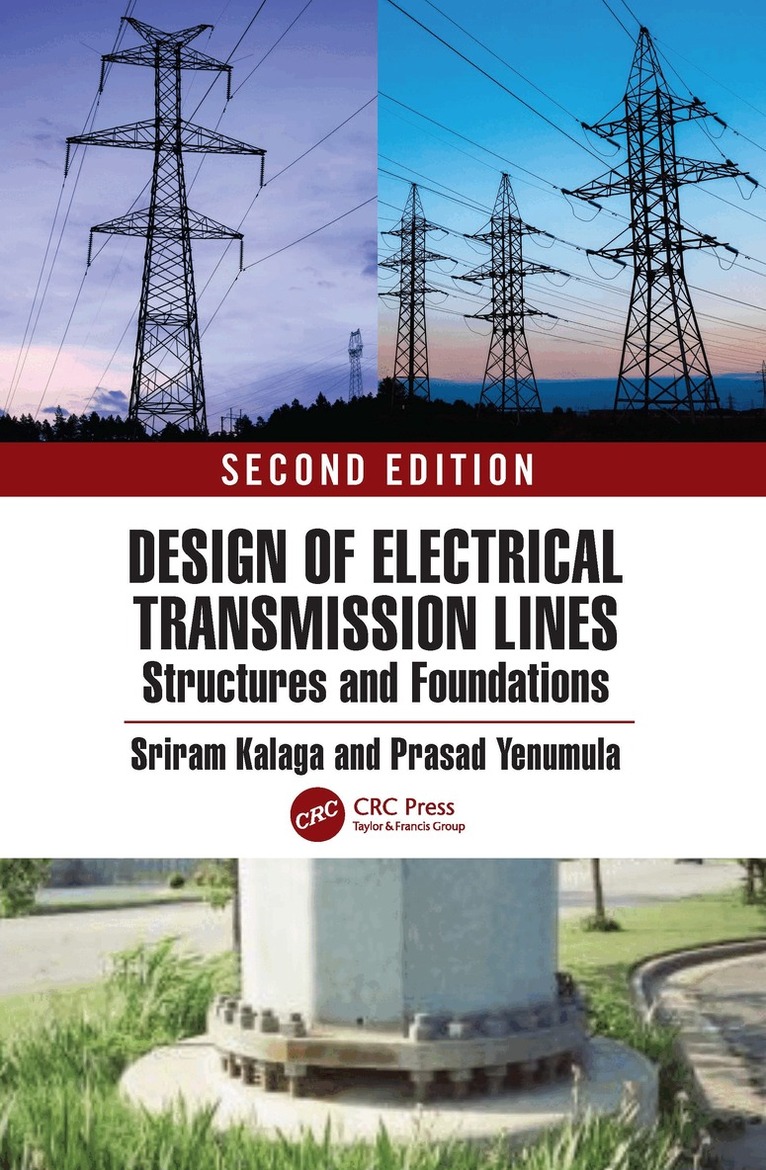
- Häftad, Engelska, 2021This book covers structural and foundation systems used in high-voltage transmission lines, conductors, insulators, hardware and component assembly. In most developing countries, the term “transmission structures” usually means lattice steel towers. The term actually includes a vast range of structural systems and configurations of various materials such as wood, steel, concrete and composites. This book discusses those systems along with associated topics such as structure functions and configurations, load cases for design, analysis techniques, structure and foundation modeling, design deliverables and latest advances in the field. In the foundations section, theories related to direct embedment, drilled shaf ts, spread foundations and anchors are discussed in detail. Featuring worked out design problems for students, the book is aimed at students, practicing engineers, researchers and academics. It contains beneficial information for those involved in the design and maintenance of transmission line structures and foundations. For those in academia, it will be an adequate text-book / design guide for graduate-level courses on the topic. Engineers and managers at utilities and electrical corporations will find the book a useful reference at work.
- Inbunden, Engelska, 2026
1 851 kr
Skickas inom 10-15 vardagar
This comprehensive guide delves into the modeling, structural systems, and foundation designs used in high-voltage transmission lines. It provides an in-depth exploration of conductors, insulators, hardware, and component assembly, offering valuable insights into the diverse range of structural systems and configurations employed globally. While the term “transmission structures” is often synonymous with lattice steel towers in many developing countries, this resource broadens the scope to include systems made from wood, steel, concrete, and composite materials.Key topics include structure functions and configurations, load cases for design, advanced analysis techniques, and the latest developments in line, structure, and foundation modeling. The foundations section covers essential theories related to direct embedment, drilled shafts, spread foundations, vibratory caissons, micropiles, and anchors, providing detailed explanations and practical applications. Additionally, this edition addresses regulatory changes related to climate change and features a special chapter on complex design scenarios.Key Features:Comprehensive coverage of transmission and distribution linesDetailed exploration of modeling, analysis, and design techniquesIn-depth discussion of structural and foundation systemsIncludes worked-out design problems for practical applicationDesigned for students, practicing engineers, researchers, and academics, this book serves as both a textbook and a design guide for graduate-level courses. It is an indispensable resource for those involved in the design, analysis, and maintenance of transmission line structures and foundations. Engineers and managers at utilities and electrical corporations will also find it a valuable reference for their professional work. - E-bokPDF, Engelska, 2026
2 164 kr
Läs direkt efter köp
This comprehensive guide delves into the modeling, structural systems, and foundation designs used in high-voltage transmission lines. It provides an in-depth exploration of conductors, insulators, hardware, and component assembly, offering valuable insights into the diverse range of structural systems and configurations employed globally. While the term “transmission structures†is often synonymous with lattice steel towers in many developing countries, this resource broadens the scope to include systems made from wood, steel, concrete, and composite materials.
Key topics include structure functions and configurations, load cases for design, advanced analysis techniques, and the latest developments in line, structure, and foundation modeling. The foundations section covers essential theories related to direct embedment, drilled shafts, spread foundations, vibratory caissons, micropiles, and anchors, providing detailed explanations and practical applications. Additionally, this edition addresses regulatory changes related to climate change and features a special chapter on complex design scenarios.
Key Features:
Comprehensive coverage of transmission and distribution lines Detailed exploration of modeling, analysis, and design techniques In-depth discussion of structural and foundation systems Includes worked-out design problems for practical applicationDesigned for students, practicing engineers, researchers, and academics, this book serves as both a textbook and a design guide for graduate-level courses. It is an indispensable resource for those involved in the design, analysis, and maintenance of transmission line structures and foundations. Engineers and managers at utilities and electrical corporations will also find it a valuable reference for their professional work.
- E-bokEngelska, 2026
2 164 kr
Läs direkt efter köp
This comprehensive guide delves into the modeling, structural systems, and foundation designs used in high-voltage transmission lines. It provides an in-depth exploration of conductors, insulators, hardware, and component assembly, offering valuable insights into the diverse range of structural systems and configurations employed globally. While the term “transmission structures†is often synonymous with lattice steel towers in many developing countries, this resource broadens the scope to include systems made from wood, steel, concrete, and composite materials.
Key topics include structure functions and configurations, load cases for design, advanced analysis techniques, and the latest developments in line, structure, and foundation modeling. The foundations section covers essential theories related to direct embedment, drilled shafts, spread foundations, vibratory caissons, micropiles, and anchors, providing detailed explanations and practical applications. Additionally, this edition addresses regulatory changes related to climate change and features a special chapter on complex design scenarios.
Key Features:
Comprehensive coverage of transmission and distribution lines Detailed exploration of modeling, analysis, and design techniques In-depth discussion of structural and foundation systems Includes worked-out design problems for practical applicationDesigned for students, practicing engineers, researchers, and academics, this book serves as both a textbook and a design guide for graduate-level courses. It is an indispensable resource for those involved in the design, analysis, and maintenance of transmission line structures and foundations. Engineers and managers at utilities and electrical corporations will also find it a valuable reference for their professional work.
- Inbunden, Engelska, 2016
2 780 kr
Skickas inom 10-15 vardagar
This book covers structural and foundation systems used in high-voltage transmission lines, conductors, insulators, hardware and component assembly. In most developing countries, the term “transmission structures” usually means lattice steel towers. The term actually includes a vast range of structural systems and configurations of various materials such as wood, steel, concrete and composites. This book discusses those systems along with associated topics such as structure functions and configurations, load cases for design, analysis techniques, structure and foundation modeling, design deliverables and latest advances in the field. In the foundations section, theories related to direct embedment, drilled shaf ts, spread foundations and anchors are discussed in detail. Featuring worked out design problems for students, the book is aimed at students, practicing engineers, researchers and academics. It contains beneficial information for those involved in the design and maintenance of transmission line structures and foundations. For those in academia, it will be an adequate text-book / design guide for graduate-level courses on the topic. Engineers and managers at utilities and electrical corporations will find the book a useful reference at work. - E-bokEngelska, 2016

1 118 kr
Läs direkt efter köp
This book covers structural and foundation systems used in high-voltage transmission lines, conductors, insulators, hardware and component assembly. In most developing countries, the term “transmission structures†usually means lattice steel towers. The term actually includes a vast range of structural systems and configurations of various materials such as wood, steel, concrete and composites. This book discusses those systems along with associated topics such as structure functions and configurations, load cases for design, analysis techniques, structure and foundation modeling, design deliverables and latest advances in the field. In the foundations section, theories related to direct embedment, drilled shaf ts, spread foundations and anchors are discussed in detail.
Featuring worked out design problems for students, the book is aimed at students, practicing engineers, researchers and academics. It contains beneficial information for those involved in the design and maintenance of transmission line structures and foundations. For those in academia, it will be an adequate text-book / design guide for graduate-level courses on the topic. Engineers and managers at utilities and electrical corporations will find the book a useful reference at work.

- E-bokPDF, Engelska, 2016
1 118 kr
Läs direkt efter köp
This book covers structural and foundation systems used in high-voltage transmission lines, conductors, insulators, hardware and component assembly. In most developing countries, the term “transmission structures†usually means lattice steel towers. The term actually includes a vast range of structural systems and configurations of various materials such as wood, steel, concrete and composites. This book discusses those systems along with associated topics such as structure functions and configurations, load cases for design, analysis techniques, structure and foundation modeling, design deliverables and latest advances in the field. In the foundations section, theories related to direct embedment, drilled shaf ts, spread foundations and anchors are discussed in detail.
Featuring worked out design problems for students, the book is aimed at students, practicing engineers, researchers and academics. It contains beneficial information for those involved in the design and maintenance of transmission line structures and foundations. For those in academia, it will be an adequate text-book / design guide for graduate-level courses on the topic. Engineers and managers at utilities and electrical corporations will find the book a useful reference at work.