229 kr
Skickas
229 kr
Skickas
381 kr
Skickas inom 3-6 vardagar
275 kr
Läs direkt efter köp
275 kr
Läs direkt efter köp
612 kr
Skickas inom 7-10 vardagar
378 kr
Läs direkt efter köp
380 kr
Läs direkt efter köp
119 kr
Skickas inom 5-8 vardagar
838 kr
Skickas inom 7-10 vardagar
109 kr
Läs direkt efter köp
109 kr
Läs direkt efter köp
923 kr
Skickas inom 7-10 vardagar
570 kr
Läs direkt efter köp
570 kr
Läs direkt efter köp
2 444 kr
Skickas inom 10-15 vardagar
236 kr
Läs direkt efter köp
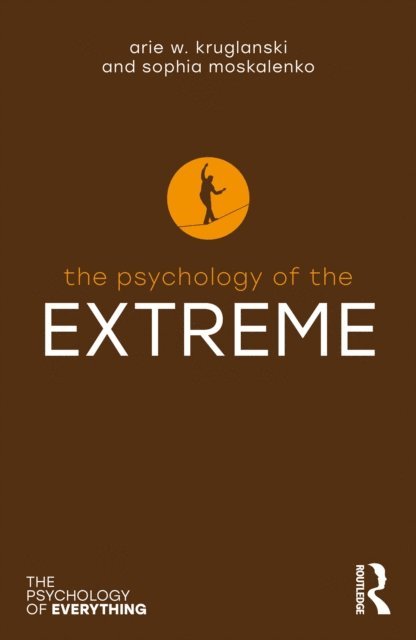
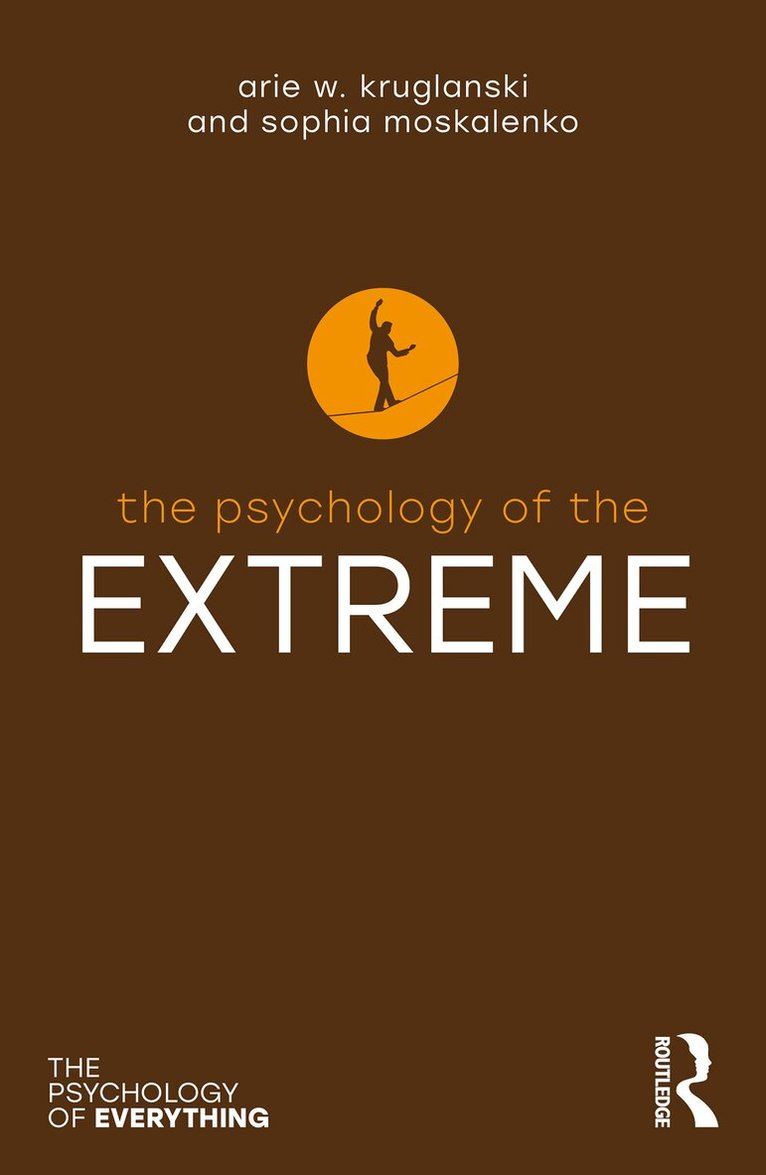
What does extremism mean? How does it show up in our daily lives? What drives people to extreme behaviors, and how can we learn to live and thrive in the age of overdrive?
The Psychology of the Extreme provides an accessible introduction to extremism as a force that can affect all aspects of culture and people’s choices in everyday settings. It explores the underlying psychology behind what makes people act in extreme ways, whether this is in destructive ways (such as gambling, terrorism and political violence) or in constructive ways (such as successful creators and scientists). The book features an array of case studies that show how extremism can be both pro-social and anti-social and includes interventions to reduce extremism or redirect them toward more positive and constructive tendencies. Offering a new understanding of the individual psychology of extremism, the book will appeal to all those interested in how extremism plays out in people’s and cultures'' day-to-day lives.

236 kr
Läs direkt efter köp
What does extremism mean? How does it show up in our daily lives? What drives people to extreme behaviors, and how can we learn to live and thrive in the age of overdrive?
The Psychology of the Extreme provides an accessible introduction to extremism as a force that can affect all aspects of culture and people’s choices in everyday settings. It explores the underlying psychology behind what makes people act in extreme ways, whether this is in destructive ways (such as gambling, terrorism and political violence) or in constructive ways (such as successful creators and scientists). The book features an array of case studies that show how extremism can be both pro-social and anti-social and includes interventions to reduce extremism or redirect them toward more positive and constructive tendencies. Offering a new understanding of the individual psychology of extremism, the book will appeal to all those interested in how extremism plays out in people’s and cultures'' day-to-day lives.

641 kr
Läs direkt efter köp
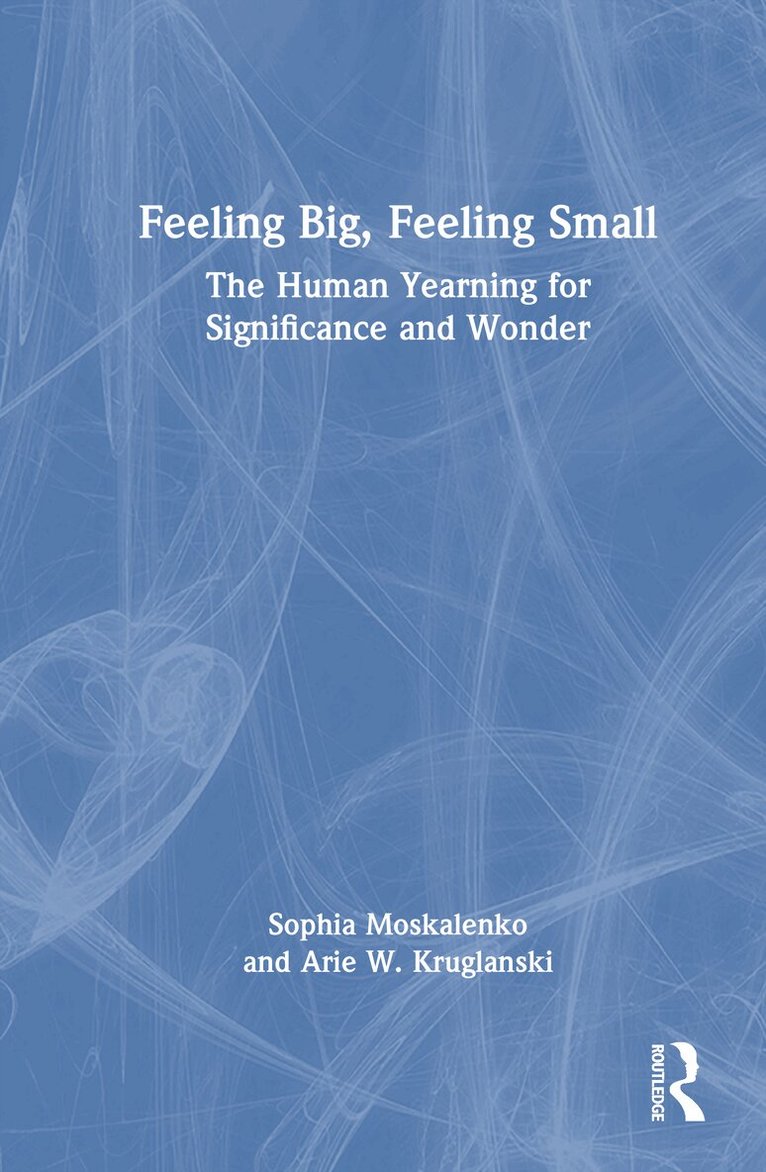
Why do we sometimes feel powerful, expansive, and driven—only to feel small, humbled, or overwhelmed moments later? This book proposes that much of human experience is shaped by a fundamental psychological rhythm between two states the authors call Bigness and Smallness.
Blending psychology with insights from biology, development, culture, religion, history, and mental health, the book introduces a theory of Dynamic Magnitude: the idea that human flourishing depends on our ability to move fluidly between striving for significance and yielding to forces greater than ourselves. Through vivid examples drawn from everyday life, art, love, parenting, politics, extremism, ritual, and belief systems, the authors show how modern societies have come to privilege Bigness while neglecting the human need for Smallness. They explore how imbalance between these states fuels burnout, polarization, addiction, anxiety, depression, and radicalization, while their healthy alternation underlies creativity, intimacy, resilience, and meaning. Rather than offering self-help prescriptions or single-factor explanations, the book provides a unifying lens that connects personal psychology with larger cultural and historical patterns.
Written for psychologists and social scientists, this book also speaks to a wider audience of intellectually curious readers—students of culture and history, philosophers, clinicians, and thoughtful observers of contemporary life—interested in how inner experience, social forces, and meaning-making intersect.
636 kr
Läs direkt efter köp
Why do we sometimes feel powerful, expansive, and driven—only to feel small, humbled, or overwhelmed moments later? This book proposes that much of human experience is shaped by a fundamental psychological rhythm between two states the authors call Bigness and Smallness.
Blending psychology with insights from biology, development, culture, religion, history, and mental health, the book introduces a theory of Dynamic Magnitude: the idea that human flourishing depends on our ability to move fluidly between striving for significance and yielding to forces greater than ourselves. Through vivid examples drawn from everyday life, art, love, parenting, politics, extremism, ritual, and belief systems, the authors show how modern societies have come to privilege Bigness while neglecting the human need for Smallness. They explore how imbalance between these states fuels burnout, polarization, addiction, anxiety, depression, and radicalization, while their healthy alternation underlies creativity, intimacy, resilience, and meaning. Rather than offering self-help prescriptions or single-factor explanations, the book provides a unifying lens that connects personal psychology with larger cultural and historical patterns.
Written for psychologists and social scientists, this book also speaks to a wider audience of intellectually curious readers—students of culture and history, philosophers, clinicians, and thoughtful observers of contemporary life—interested in how inner experience, social forces, and meaning-making intersect.
541 kr
Skickas inom 10-15 vardagar
2 515 kr
Skickas inom 10-15 vardagar
260 kr
Skickas inom 10-15 vardagar
295 kr
Läs direkt efter köp
1 586 kr
Skickas inom 3-6 vardagar
1 577 kr
Läs direkt efter köp
1 617 kr
Läs direkt efter köp