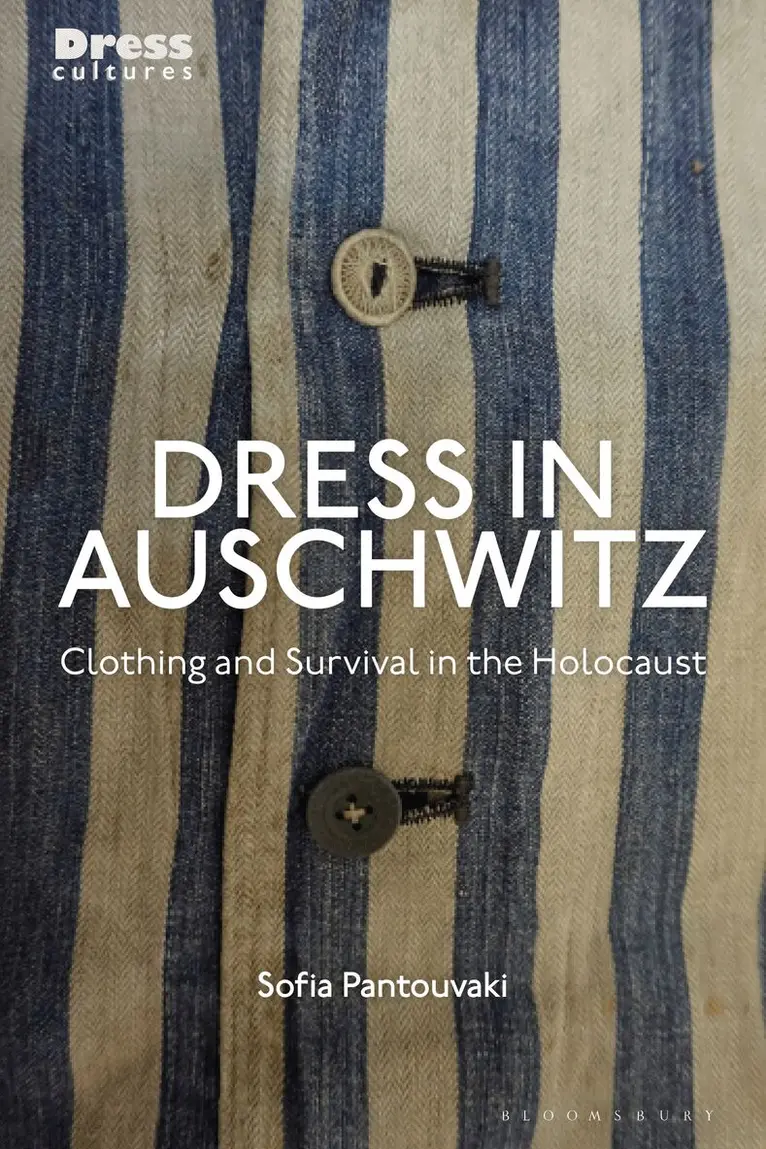
Exploring the experience of Auschwitz prisoners through the lens of dress and clothing, Dress in Auschwitz examines clothing's profound importance to the inmates' physical, psychological, and spiritual survival.Drawing on a wide range of sources, including survivor memoirs, testimonies, personal interviews, surviving garments, and rare illustrations, Sofia Pantouvaki focuses on inmates' sartorial activities and the intimate psychological relationships that developed between prisoners and their clothes. In so doing, she highlights how clothing was vital in facilitating inmates' daily lives, improving their chances of survival in the camp, and supporting the desire for personal expression in a dehumanizing environment.Holocaust survivors' memoirs and interviews have increasingly evidenced that the infamous striped uniforms were not the standard clothing throughout the years of the Nazi concentration camp system. As the war continued and shortages intensified, prisoners were often given a wide range of garments, including uniforms of deceased Soviet prisoners-of-war and civilian garments from the piles of clothing of other incoming prisoners.Dress in Auschwitz allows us a glimpse of the persons' individual - and sometimes very private - experiences of concentration camp life and suggests that the notion of 'elegance' operated as a social construct and a motivating force even in such punishing conditions. The book proves that the multifaceted functions of dress can remain relevant - and vitally important - even in the most appalling and inhumane conditions and times.

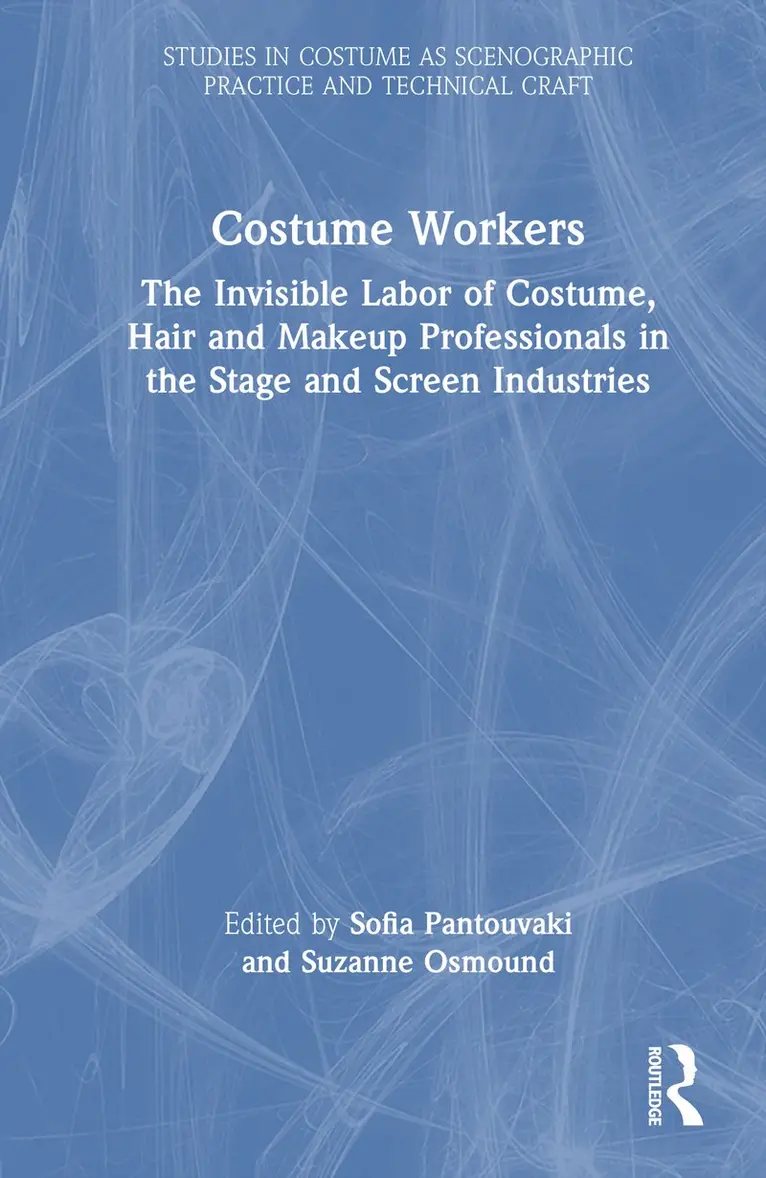
The costumes we see on stage and screen are made by people we rarely hear from. Costume Workers: The Invisible Labour of Costume, Hair and Makeup Professionals in the Stage and Screen Industries is the first volume to give voice to these makers, dressers, dyers and makeup artists, bringing global, contemporary attention to their labour, ethics and working conditions.Through interviews, dialogical ‘in conversation’ pieces and original research, the book uncovers the interpretive, creative and emotional labour behind every costume — from the tailoring workshop to backstage during a live show. Drawing on the perspectives of 22 international contributors, readers gain direct insight into professional practice through case studies, practical paradigms directly from industry practice and theoretical approaches, which situate these stories within wider debates on recognition, hierarchy and creative authorship. The volume pairs first-hand accounts lived experience with critical frameworks for improving future practices in the performing and screen industries.The book is aimed at costume, theatre and film students and researchers, and at practitioners seeking recognition and language for their own working conditions, as well as general readers curious about what really happens backstage.
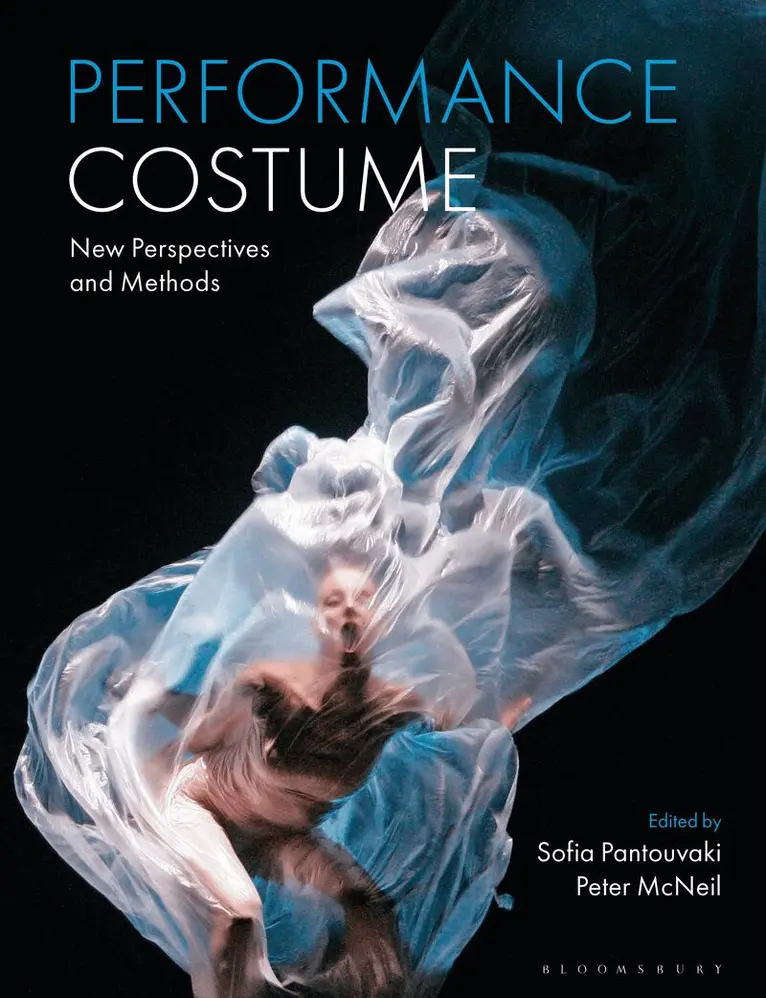
Costume is an active agent for performance-making; it is a material object that embodies ideas shaped through collaborative creative work. A new focus in recent years on research in the area of costume has connected this practice in vital and new ways with theories of the body and embodiment, design practices, artistic and other forms of collaboration. Costume, like fashion and dress, is now viewed as an area of dynamic social significance and not simply as passive reflector of a pre-conceived social state or practice. This book offers new approaches to the study of costume, as well as fresh insights into the better-understood frames of historical, theoretical, practice-based and archival research into costume for performance.This anthology draws on the experience of a global group of established researchers as well as emerging voices. Below is a list of just some of the things it achieves:1. Introduces diverse perspectives, innovative new research methods and approaches for researching design and the costumed body in performance.2. Contributes towards a new understanding of how costume actually ‘performs’ in time and space.3. Offers new insights into existing practices, as well as creating a space of connection between practitioners and researchers from design, the humanities and social sciences.
Costume is an active agent for performance-making; it is a material object that embodies ideas shaped through collaborative creative work. A new focus in recent years on research in the area of costume has connected this practice in vital and new ways with theories of the body and embodiment, design practices, artistic and other forms of collaboration. Costume, like fashion and dress, is now viewed as an area of dynamic social significance and not simply as passive reflector of a pre-conceived social state or practice. This book offers new approaches to the study of costume, as well as fresh insights into the better-understood frames of historical, theoretical, practice-based and archival research into costume for performance.This anthology draws on the experience of a global group of established researchers as well as emerging voices. Below is a list of just some of the things it achieves:1. Introduces diverse perspectives, innovative new research methods and approaches for researching design and the costumed body in performance.2. Contributes towards a new understanding of how costume actually ''performs'' in time and space.3. Offers new insights into existing practices, as well as creating a space of connection between practitioners and researchers from design, the humanities and social sciences.
Exploring the experience of Auschwitz prisoners through the lens of dress and clothing, Dress in Auschwitz examines clothing's profound importance to the inmates' physical, psychological, and spiritual survival.Drawing on a wide range of sources, including survivor memoirs, testimonies, personal interviews, surviving garments, and rare illustrations, Sofia Pantouvaki focuses on inmates’ sartorial activities and the intimate psychological relationships that developed between prisoners and their clothes. In so doing, she highlights how clothing was vital in facilitating inmates’ daily lives, improving their chances of survival in the camp, and supporting the desire for personal expression in a dehumanizing environment.Holocaust survivors’ memoirs and interviews have increasingly evidenced that the infamous striped uniforms were not the standard clothing throughout the years of the Nazi concentration camp system. As the war continued and shortages intensified, prisoners were often given a wide range of garments, including uniforms of deceased Soviet prisoners-of-war and civilian garments from the piles of clothing of other incoming prisoners.Dress in Auschwitz allows us a glimpse of the persons’ individual - and sometimes very private - experiences of concentration camp life and suggests that the notion of ‘elegance’ operated as a social construct and a motivating force even in such punishing conditions. The book proves that the multifaceted functions of dress can remain relevant - and vitally important - even in the most appalling and inhumane conditions and times.