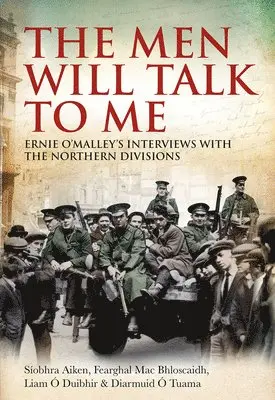
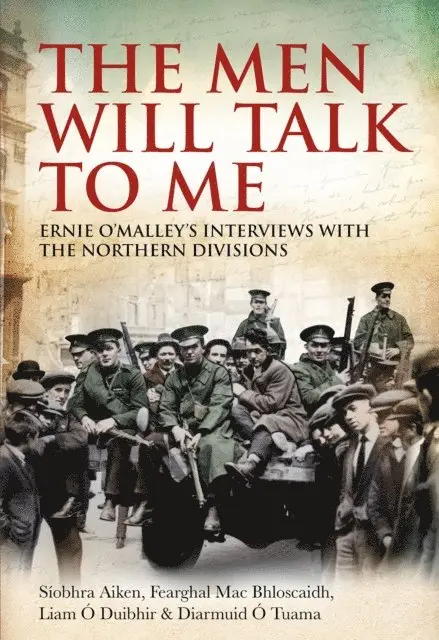
The Men Will Talk to Me is a collection of interviews conducted and recorded by famed Irish republican revolutionary Ernie O’Malley during the 1940s and 1950s. The interviews were carried out with survivors of the four Northern Divisions of the IRA, chief among them Frank Aiken, Peadar O’Donnell and Paddy McLogan, who offer fascinating insights into Ulster’s centrality in the War of Independence and the slide towards Civil War. The title refers to the implicit trust that shadows these interviews, earned through Ernie O’Malley’s reputation as a fearsome military commander in the revolutionary movement – the veterans interviewed divulge details to O’Malley which they wouldn’t have disclosed to even their closest family members. Startlingly direct, the issues covered include the mobilization of the Dundalk Volunteers for the 1916 Rising, the events of Bloody Sunday (1920), the Belfast Pogroms, and the planning of historical escapes from the Curragh and Kilkenny Gaol. The Men Will Talk to Me is an insightful and painstaking reflection of the horror of the Irish War of Independence and Civil War; in words resolute and faltering, the physical and psychological debts of the revolutionary mindset – those of hardened Pro- and Anti-Treaty veterans – are fiercely apparent.
The Men Will Talk to Me is a collection of interviews conducted and recorded by famed Irish republican revolutionary Ernie O’Malley during the 1940s and 1950s. The interviews were carried out with survivors of the four Northern Divisions of the IRA, chief among them Frank Aiken, Peadar O’Donnell and Paddy McLogan, who offer fascinating insights into Ulster’s centrality in the War of Independence and the slide towards Civil War. The title refers to the implicit trust that shadows these interviews, earned through Ernie O’Malley’s reputation as a fearsome military commander in the revolutionary movement – the veterans interviewed divulge details to O’Malley which they wouldn’t have disclosed to even their closest family members. Startlingly direct, the issues covered include the mobilization of the Dundalk Volunteers for the 1916 Rising, the events of Bloody Sunday (1920), the Belfast Pogroms, and the planning of historical escapes from the Curragh and Kilkenny Gaol. The Men Will Talk to Me is an insightful and painstaking reflection of the horror of the Irish War of Independence and Civil War; in words resolute and faltering, the physical and psychological debts of the revolutionary mindset – those of hardened Pro- and Anti-Treaty veterans – are fiercely apparent.
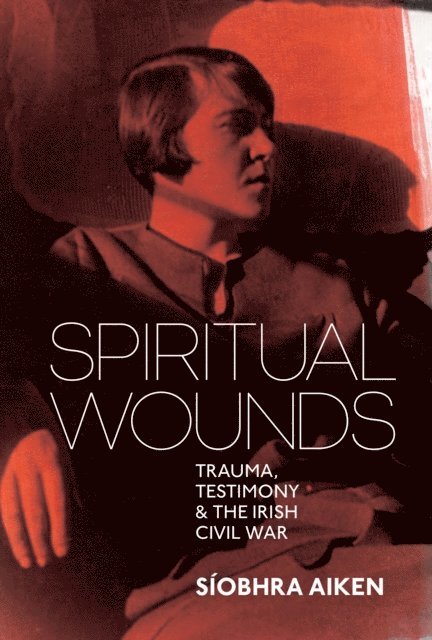
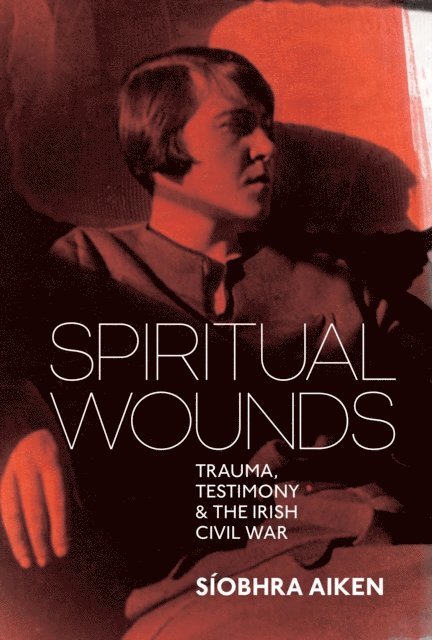
This book challenges the widespread scholarly and popular belief that the Irish Civil War (1922–1923) was followed by a ‘traumatic silence’. It achieves this by opening an alternative archive of published testimonies which were largely produced in the 1920s and 1930s; testimonies were written by pro- and anti-treaty men and women, in both English and Irish. Nearly all have eluded sustained scholarly attention to date. However, the act of smuggling private, painful experience into the public realm, especially when it challenged official memory making (or even forgetting), demanded the cautious deployment of self-protective narrative strategies. As a result, many testimonies from the Irish Civil War emerge in non-conventional, hybridised and fictionalised forms of life writing. This book re-introduces a number of these testimonies into public debate. It considers contemporary understandings of mental illness and how a number of veterans – both men and women – self-consciously engaged in projects of therapeutic writing as a means to ‘heal’ the ‘spiritual wounds’ of civil war. It also outlines the prevalence of literary representations of revolutionary sexual violence, challenging the assumptions that sexual violence during the Irish revolution was either ‘rare’ or ‘hidden’.
This book challenges the widespread scholarly and popular belief that the Irish Civil War (1922–1923) was followed by a ‘traumatic silence’. It achieves this by opening an alternative archive of published testimonies which were largely produced in the 1920s and 1930s; testimonies were written by pro- and anti-treaty men and women, in both English and Irish. Nearly all have eluded sustained scholarly attention to date. However, the act of smuggling private, painful experience into the public realm, especially when it challenged official memory making (or even forgetting), demanded the cautious deployment of self-protective narrative strategies. As a result, many testimonies from the Irish Civil War emerge in non-conventional, hybridised and fictionalised forms of life writing. This book re-introduces a number of these testimonies into public debate. It considers contemporary understandings of mental illness and how a number of veterans – both men and women – self-consciously engaged in projects of therapeutic writing as a means to ‘heal’ the ‘spiritual wounds’ of civil war. It also outlines the prevalence of literary representations of revolutionary sexual violence, challenging the assumptions that sexual violence during the Irish revolution was either ‘rare’ or ‘hidden’.