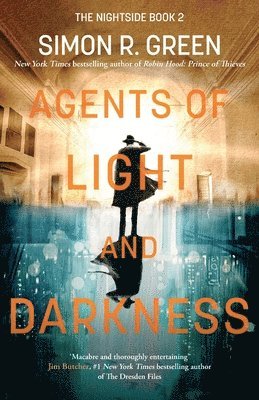
Agents of Light and Darkness
Nightside Book 2
139 kr
Skickas
Nightside Book 2
139 kr
Skickas
Nightside Book 1
152 kr
Skickas
568 kr
Läs direkt efter köp
568 kr
Läs direkt efter köp
463 kr
Läs direkt efter köp
460 kr
Läs direkt efter köp
560 kr
Skickas inom 5-8 vardagar
570 kr
Läs direkt efter köp
625 kr
Skickas inom 5-8 vardagar
787 kr
Skickas inom 5-8 vardagar
281 kr
Skickas inom 10-15 vardagar
301 kr
Läs direkt efter köp
1 512 kr
Skickas inom 10-15 vardagar
2 728 kr
Skickas inom 10-15 vardagar
818 kr
Skickas inom 10-15 vardagar
1 838 kr
Skickas inom 10-15 vardagar
630 kr
Skickas inom 7-10 vardagar
1 547 kr
Skickas inom 7-10 vardagar
814 kr
Läs direkt efter köp
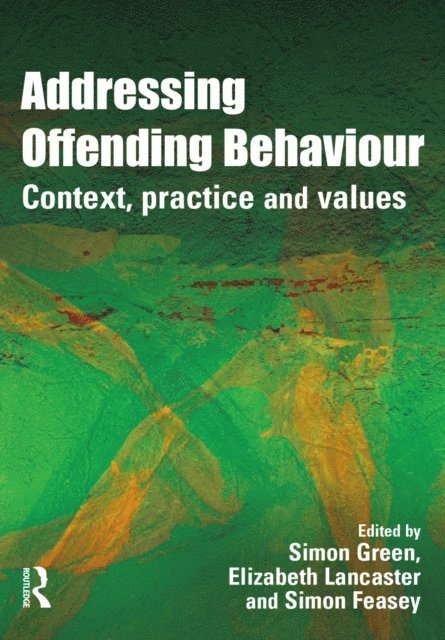
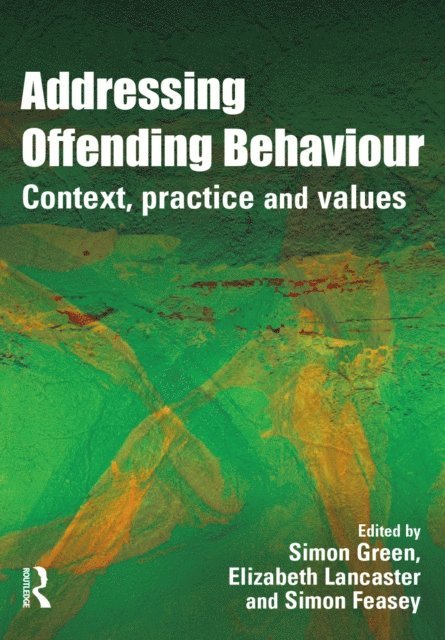
Offending behaviour is one of the most talked about issues in contemporary society. What can be done to stop people reoffending? What can be done to help people escape their criminal lifestyles? This book aims to review and analyse the different ways in which these questions are addressed in practice, drawing upon the expertise of academics and practitioners.The book provides a critical reference text for practitioners, students and researchers interested in devising the most effective means of addressing offending behaviour. Its focus is on the actual work undertaken with offenders, and draws upon generic issues of practice applicable across the voluntary, community and statutory sectors.Addressing Offending Behaviour aims to bridge the gap between practice and research. It explores a wide range of innovative techniques for offender intervention, along with some of the most challenging academic theories. It also considers the wider social, political and legal context in which this work takes place, and explores the values and bias which operate at both individual and institutional levels.It will be key reading for both students and practitioners involved in the fields of criminology and criminal justice, law, policing, probation, prisons, youth justice and social work.
491 kr
Läs direkt efter köp
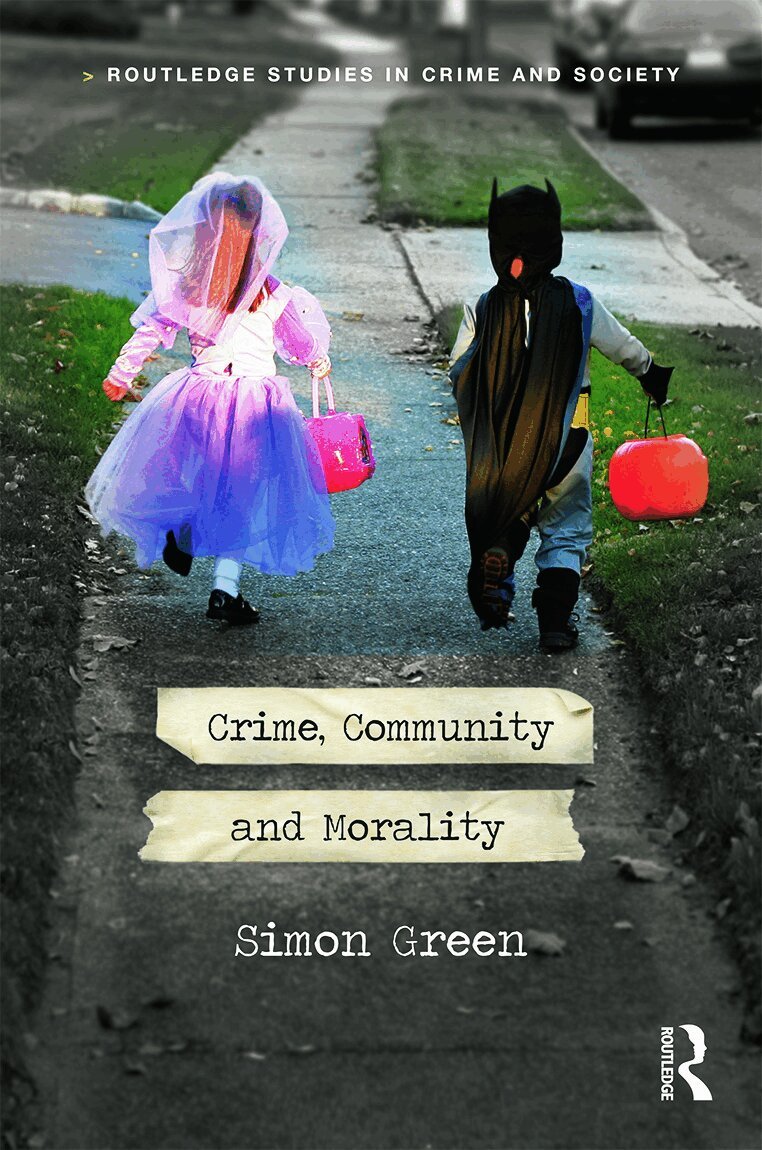
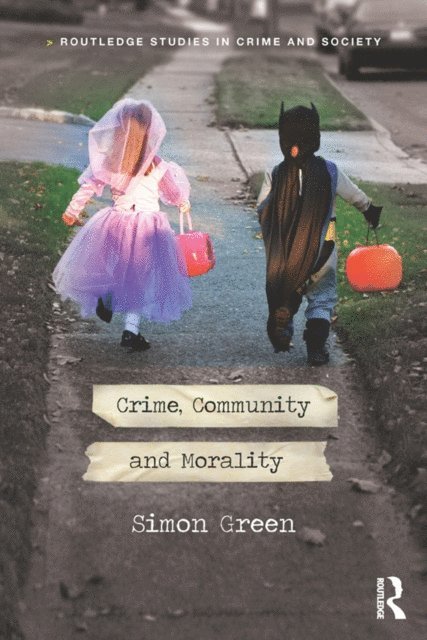
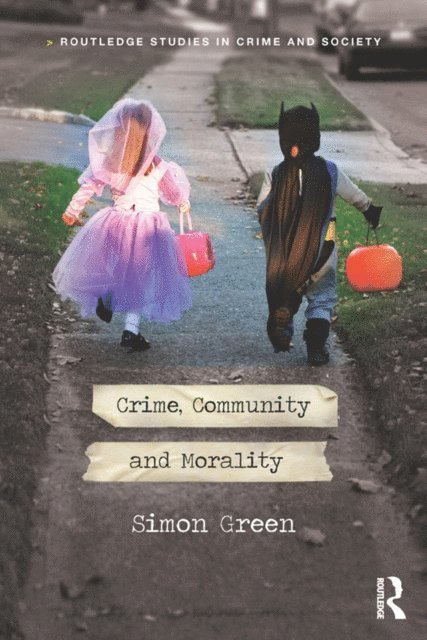
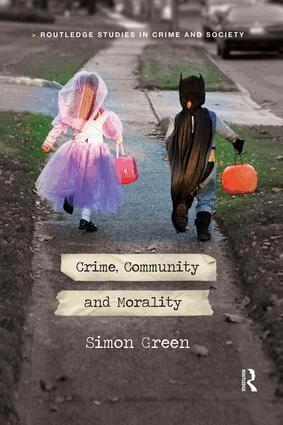
Political leaders and the popular press tell us that society is in the grip of a moral crisis. ‘Where have our values gone?’ our newspapers scream at us. ‘Benefit scroungers’, ‘greedy bankers’, ‘intrusive journalists’, ‘have-a-go rioters’, political scandals and criminals of all shapes and sizes are continually cited as evidence that we live in a modern-day Gomorrah. Criminologists have studied this in several ways, including: media representations of crime, mass incarceration, hooliganism and the exercise of power and control through communities.
What criminologists have not studied is the place of morality in shaping public debate about understanding crime and how this then shapes crime control strategies. Rather than dismiss statements about community breakdown, ‘broken society’ and irresponsibility as ideological, self-justificatory rhetoric, what happens when we take these claims seriously? What do they tell us about the causes of crime? How do they shape the crime control agenda? How else might we begin to understand and explain the relationship between crime and society?
Navigating between criminological concerns about control and governance and social theories about culture and identity, this book explores what is meant by crime, community and morality and puts this meaning to the test. Discussion of a new theory of rule-breaking, combined with an analysis of how our justice system is becoming maladapted, makes this essential reading for criminologists around the globe, as well as those general readers interested in the causes of crime.
525 kr
Läs direkt efter köp
Political leaders and the popular press tell us that society is in the grip of a moral crisis. ‘Where have our values gone?’ our newspapers scream at us. ‘Benefit scroungers’, ‘greedy bankers’, ‘intrusive journalists’, ‘have-a-go rioters’, political scandals and criminals of all shapes and sizes are continually cited as evidence that we live in a modern-day Gomorrah. Criminologists have studied this in several ways, including: media representations of crime, mass incarceration, hooliganism and the exercise of power and control through communities.
What criminologists have not studied is the place of morality in shaping public debate about understanding crime and how this then shapes crime control strategies. Rather than dismiss statements about community breakdown, ‘broken society’ and irresponsibility as ideological, self-justificatory rhetoric, what happens when we take these claims seriously? What do they tell us about the causes of crime? How do they shape the crime control agenda? How else might we begin to understand and explain the relationship between crime and society?
Navigating between criminological concerns about control and governance and social theories about culture and identity, this book explores what is meant by crime, community and morality and puts this meaning to the test. Discussion of a new theory of rule-breaking, combined with an analysis of how our justice system is becoming maladapted, makes this essential reading for criminologists around the globe, as well as those general readers interested in the causes of crime.
970 kr
Läs direkt efter köp
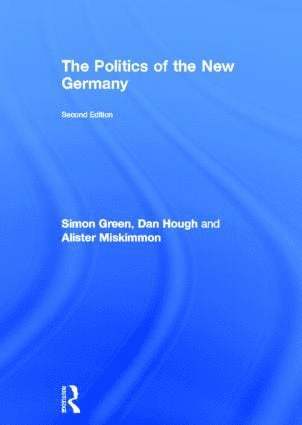
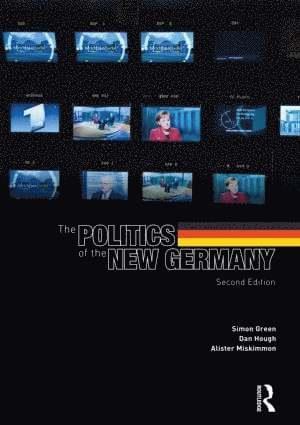
The Politics of the New Germany continues to provide the most comprehensive, authoritative and up-to-date textbook on contemporary German Politics. The text takes a new approach to understanding politics in the post-unification Federal Republic. Assuming only elementary knowledge, it focuses on a series of the most important debates and issues in Germany today with the aim of helping students understand both the workings of the country''s key institutions and some of the most important policy challenges facing German politicians.
For this second edition, the content has been comprehensively updated throughout, augmented by additional factboxes and data, and features new material on:
Grand coalition Lisbon treaty Constitutional court Financial crisis Reform of social policy Afghanistan.
Written in a straightforward style by three experts, each of the chapters draws on a rich variety of real-world examples. In doing so, it highlights both the challenges and opportunities facing policy-makers in such areas as foreign affairs, economic policy, immigration, identity politics and institutional reform. The book also takes a bird’s-eye view of the big debates that have defined German politics over time, regardless of which political parties happened to be in power. It pinpoints three key themes that have characterised German politics over the last sixty years; reconciliation, consensus and transformation.
The book is a comprehensive, yet highly accessible, overview of politics in 21st Century Germany and should be essential reading for students of politics and international relations, as well as of European and German studies.
589 kr
Läs direkt efter köp
576 kr
Läs direkt efter köp
454 kr
Skickas inom 10-15 vardagar
2 952 kr
Skickas inom 10-15 vardagar
820 kr
Skickas inom 10-15 vardagar
563 kr
Skickas inom 10-15 vardagar