1 052 kr
Läs direkt efter köp
1 052 kr
Läs direkt efter köp
731 kr
Skickas inom 10-15 vardagar
2 810 kr
Skickas inom 10-15 vardagar
3 047 kr
Skickas inom 10-15 vardagar
882 kr
Skickas inom 10-15 vardagar
2 210 kr
Skickas inom 10-15 vardagar
3 161 kr
Skickas inom 10-15 vardagar
2 797 kr
Läs direkt efter köp
1 030 kr
Läs direkt efter köp
873 kr
Läs direkt efter köp
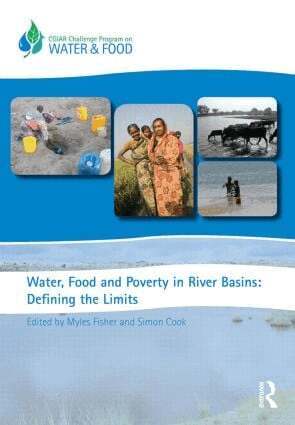
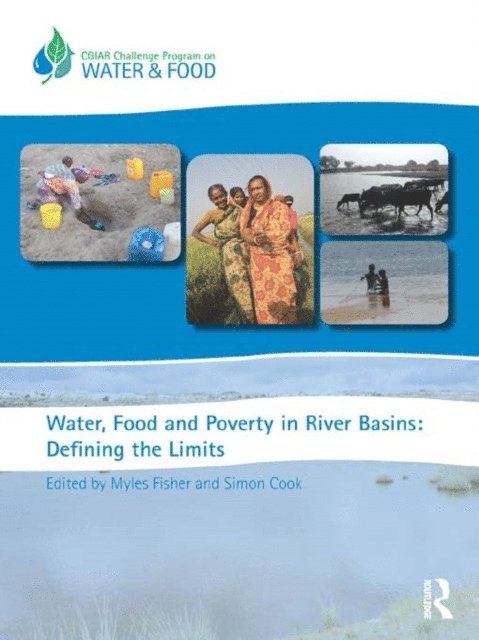
Conventional wisdom says that the world is heading for a major water crisis. By 2050, global population will increase from 7 billion to a staggering 9.5 billion and the demands this will place on food and water systems will inevitably push river basins over the edge.
The findings from this book present a different picture. While it is convenient to visualize an inevitable global water and food crisis in which increasing demands result in increasing poverty, food insecurity and conflict, the reality is far more nuanced and revolves around the politics of equitable and sustainable development of resources.
The first part of this book provides detailed insight into conditions of water flows within nine river basins. In the second part, authors summarize and re-analyze the outcome of the nine basins, providing a coherent global picture of water, water productivity and development. They assess the impacts of variations of these attributes on development and approaches for poverty alleviation, and explore the institutional factors that support or obstruct change.
How people will manage river systems while protecting vital ecosystem functions will make the difference between catastrophe and survival. As Prof Asit Biswas points out, "... the world is facing a water crisis not because of physical scarcity of water but because of poor management practices in nearly all countries of the world."
The book is based on the four years (2006-2010) of extensive research into the state of ten of the world’s major river basins carried out under the CGIAR Challenge Program for Water and Food’s Basin Focal Project.
This book was published as a special issue of Water International.

892 kr
Läs direkt efter köp
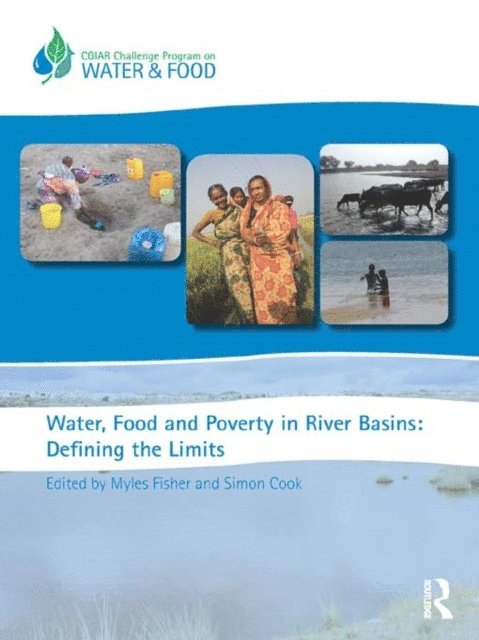
Conventional wisdom says that the world is heading for a major water crisis. By 2050, global population will increase from 7 billion to a staggering 9.5 billion and the demands this will place on food and water systems will inevitably push river basins over the edge.
The findings from this book present a different picture. While it is convenient to visualize an inevitable global water and food crisis in which increasing demands result in increasing poverty, food insecurity and conflict, the reality is far more nuanced and revolves around the politics of equitable and sustainable development of resources.
The first part of this book provides detailed insight into conditions of water flows within nine river basins. In the second part, authors summarize and re-analyze the outcome of the nine basins, providing a coherent global picture of water, water productivity and development. They assess the impacts of variations of these attributes on development and approaches for poverty alleviation, and explore the institutional factors that support or obstruct change.
How people will manage river systems while protecting vital ecosystem functions will make the difference between catastrophe and survival. As Prof Asit Biswas points out, "... the world is facing a water crisis not because of physical scarcity of water but because of poor management practices in nearly all countries of the world."
The book is based on the four years (2006-2010) of extensive research into the state of ten of the world’s major river basins carried out under the CGIAR Challenge Program for Water and Food’s Basin Focal Project.
This book was published as a special issue of Water International.
1 034 kr
Läs direkt efter köp
The four sections of the book deal in succession with Marshall’s key ideas on the subject, the wider context of his thought in which they are to be read, their later development by some of his pupils, and their revival in contemporary economics. The first and last sections work together to illustrate the evolutionary focus of Marshall’s research program and to identify its affinity with modern industrial economics; the second explicates the social assumptions within which the Marshallian paradigm was embedded, in particular those relating to the various relationships that exist between individuals and wider groups; while the third traces the development of Marshall’s views by some of his pupils.
1 012 kr
Läs direkt efter köp
The four sections of the book deal in succession with Marshall’s key ideas on the subject, the wider context of his thought in which they are to be read, their later development by some of his pupils, and their revival in contemporary economics. The first and last sections work together to illustrate the evolutionary focus of Marshall’s research program and to identify its affinity with modern industrial economics; the second explicates the social assumptions within which the Marshallian paradigm was embedded, in particular those relating to the various relationships that exist between individuals and wider groups; while the third traces the development of Marshall’s views by some of his pupils.
2 889 kr
Läs direkt efter köp