1 290 kr
Läs direkt efter köp
1 290 kr
Läs direkt efter köp
891 kr
Skickas inom 11-20 vardagar
1 058 kr
Läs direkt efter köp
1 221 kr
Skickas inom 11-20 vardagar
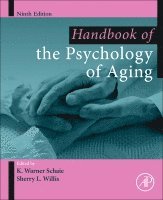
Handbook of the Psychology of Aging, Ninth Edition tackles both the biological and environmental influences on behavior and the reciprocal interface between changes in the brain and behavior that span the adult lifespan. This information is very important to many features of daily life, from workplace to family, and in public policy matters. It is complex and new questions are continually raised about how behavior changes with age. Providing perspectives on the behavioral science of aging for diverse disciplines, the handbook explains how the role of behavior is organized and how it changes over the course of life.
Along with parallel advances in research methodology, it explicates in great detail, patterns and sub-patterns of behavior over the lifespan, and how it affects biological, health and social interactions.
Covers preclinical neuropathologyExamines age and sex differences in the process of agingConsiders financial decision-making and capacityExplores mental health issues related to death and dyingDiscusses technology for older adults1 739 kr
Kommande
2 304 kr
Skickas inom 3-6 vardagar
3 168 kr
Skickas inom 7-10 vardagar
857 kr
Skickas inom 10-15 vardagar
976 kr
Läs direkt efter köp
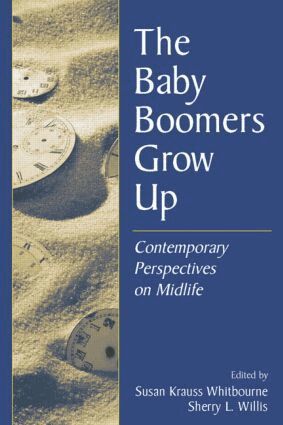
The goal of this volume is to examine development in middle age from the perspective of baby boomers -- a unique cohort in the United States defined as those individuals born from 1946 to 1962. This is the largest cohort ever to enter middle age in Western society, and they currently represent approximately one-third of the total U.S. population. The Baby Boomers Grow Up provides contemporary and comprehensive perspectives of development of the baby boomer cohort as they proceed through midlife.Baby boomers continue to exert a powerful impact on the media, fiction, movies, and even popular music, just as they were an imposing force in society from the time of their entry into youth. As these individuals enter the years normally considered to represent midlife, they are redefining how we as a society regard adults in their middle and later years. This volume features several unique aspects. First, the literature reviewed focuses specifically on research relevant to baby boomers and their development as adults, rather than a global perspective on middle age. Second, the volume takes into account the diversity within the boomer cohort, such as social class, race, and education. In addition, quantitative and qualitative developmental changes occurring from the forties to the fifties and the sixties are considered. Differences in leading and trailing edge boomers are likewise addressed.Ideal for researchers in adult development and graduate seminars on adult development, The Baby Boomers Grow Up will also appeal to adult educators, human resource personnel, health professionals and service providers, and clinical psychologists and counselors.