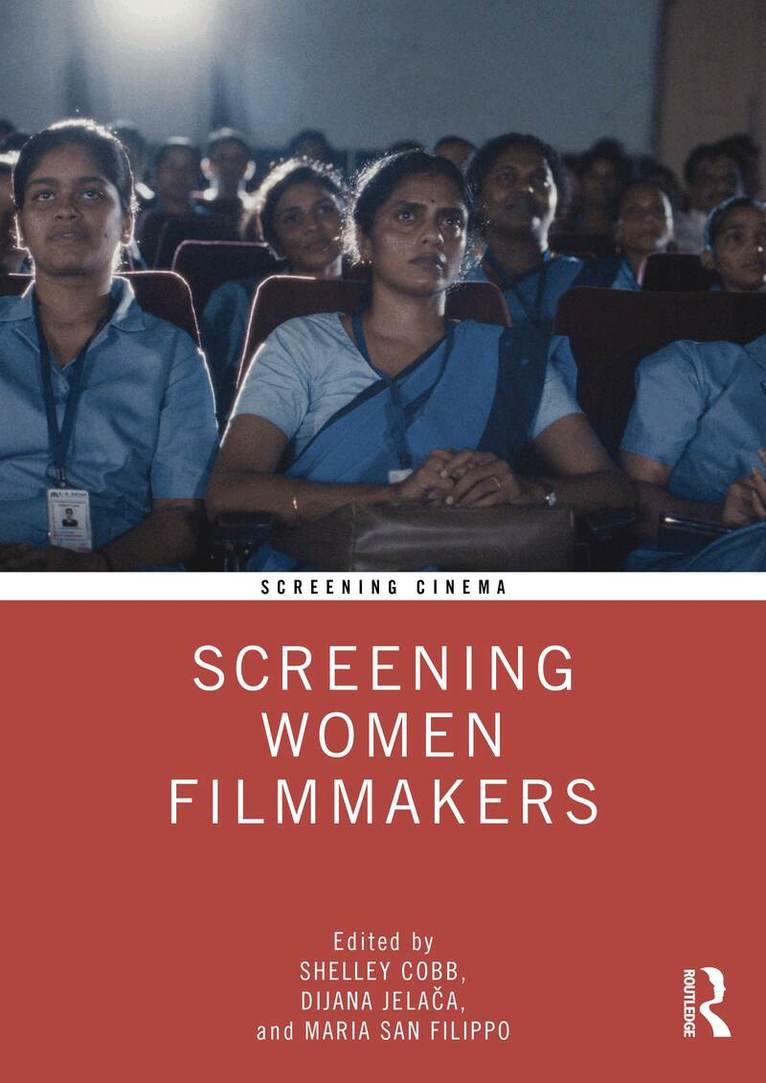
Screening Women Filmmakers is an essential collection of 58 chapters, each focusing on a single film directed by a woman-identified filmmaker, inclusively defined, from the earliest days of filmmaking (1896) to the present day, and from countries and regions around the globe.This volume offers students and scholars an inclusive survey of woman-made cinema through diverse critical-theoretical frameworks and methodologies. Each chapter examines the aesthetic, cultural, and political dimensions of its featured film, drawing upon the multifaceted perspectives and positionalities of both filmmakers and authors. The collection's global and historical scope—from early cinema to contemporary works—provides readers with a substantive understanding of the vibrancy and versatility of women's filmmaking across different contexts and movements. As part of the Screening Cinema series, it is specifically designed as a pedagogical resource with films selected for their accessibility and suitability for classroom screening and discussion.This book is essential reading for students and instructors in film studies, gender studies, and women's studies courses where film screenings are central to learning. It will appeal to scholars of feminist film studies and women's film history, as well as general readers interested in women's achievements behind the camera throughout cinema's past and present.
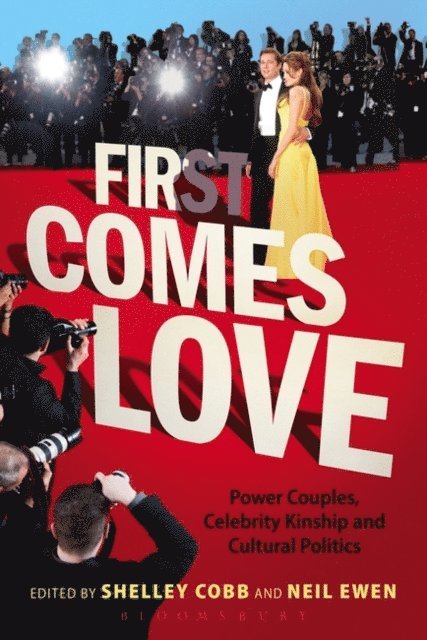
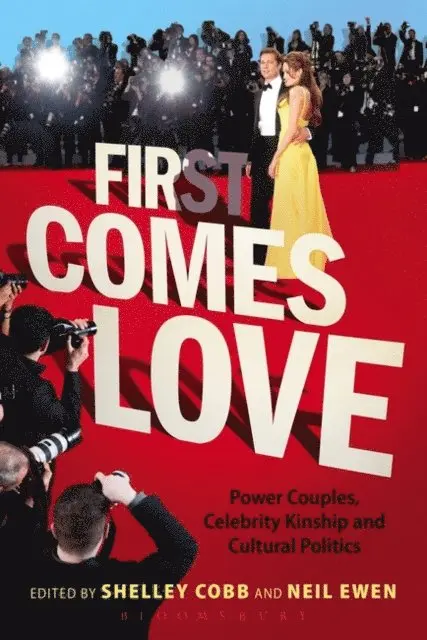
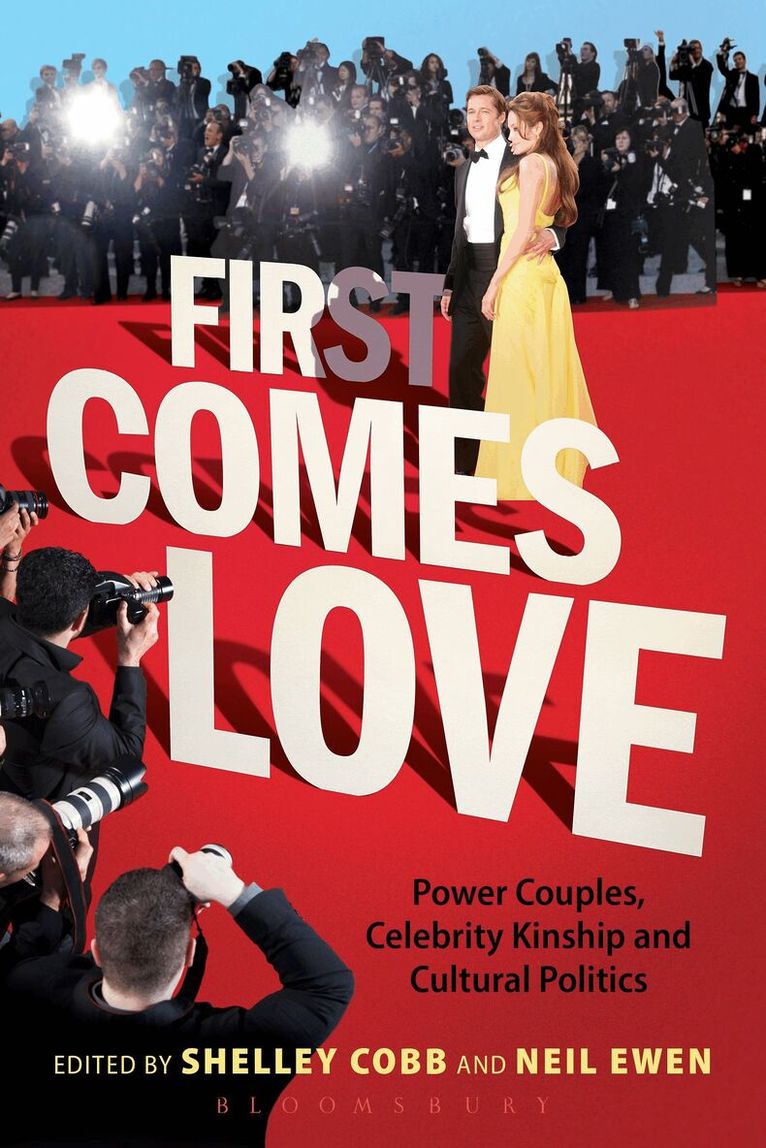
With the prominence of one-name couples (Brangelina, Kimye) and famous families (the Smiths, the Beckhams), it is becoming increasingly clear that celebrity is no longer an individual pursuit-if it ever was. Accordingly, First Comes Love explores celebrity kinship and the phenomenon of the power couple: those relationships where two stars come together and where their individual identities as celebrities become inseparable from their status as a famous twosome. Taken together, the chapters in this volume interrogate the ways these alliances are bound up in wider cultural debates about marriage, love, intimacy, family, parenthood, sexuality, and gender, in their particular historical contexts, from the 1920s to the present day. Interdisciplinary in scope, First Comes Love seeks to establish how celebrity relationships play particular roles in dramatizing, disrupting, and reconciling often-contradictory ideas about coupledom and kinship formations.
With the prominence of one-name couples (Brangelina, Kimye) and famous families (the Smiths, the Beckhams), it is becoming increasingly clear that celebrity is no longer an individual pursuit—if it ever was. Accordingly, First Comes Love explores celebrity kinship and the phenomenon of the power couple: those relationships where two stars come together and where their individual identities as celebrities become inseparable from their status as a famous twosome. Taken together, the chapters in this volume interrogate the ways these alliances are bound up in wider cultural debates about marriage, love, intimacy, family, parenthood, sexuality, and gender, in their particular historical contexts, from the 1920s to the present day. Interdisciplinary in scope, First Comes Love seeks to establish how celebrity relationships play particular roles in dramatizing, disrupting, and reconciling often-contradictory ideas about coupledom and kinship formations.
Through sixteen diverse case studies, this collection examines the influence of the 1990s in contemporary film, television, and internet culture.We live in an age of crisis: war, pandemic, political chaos, financial meltdowns, extreme inequality, and the acceleration of climate breakdown define our era. We also live in the online age of constant connection and media saturation, where our social realities are overdetermined by screens, notifications, anxieties about "fake news," and endless content on demand. In response, digital detoxes and other coping mechanisms are on the rise, and a significant amount of media content is marked by a turning away from the horrors of the future and the horrors of the present to look firmly back to the past, in ways that mobilise a range of ambivalent nostalgic modes and affects. One of the most striking trends in 21st-century Western media culture is the rise of nostalgia for the 1990s: a period that is often characterised as the last period before social media ruined "authentic" relationships and, for many, the last hopeful period before the world started falling apart. Over the last decade, the trend of re-makes and sequels of original 90s film and television texts, reformations of dissolved 90s rock bands, and rebirths of 90s celebrity icons suggests that the 1990s serves as a crucial touchstone for thinking about our contemporary milieu. This volume examines the influence of the 1990s in contemporary screen media, problematising simple notions of sentimentality for the past, and paying close attention to both the continuities and the ruptures between the 1990s and the present day.