1 266 kr
Läs direkt efter köp
1 266 kr
Läs direkt efter köp
2 210 kr
Skickas inom 10-15 vardagar
1 078 kr
Skickas inom 10-15 vardagar
1 078 kr
Skickas inom 10-15 vardagar
1 078 kr
Skickas inom 10-15 vardagar
1 047 kr
Skickas inom 10-15 vardagar
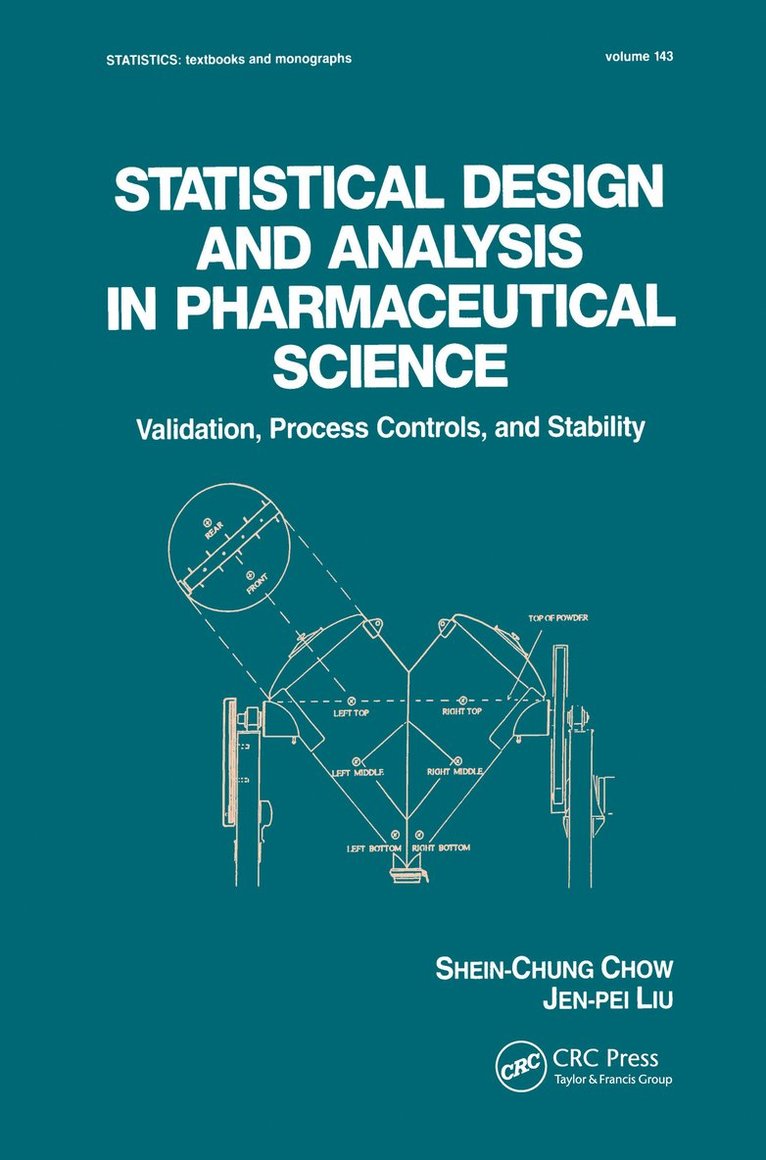
Validation, Process Controls, and Stability
1 047 kr
Skickas inom 10-15 vardagar
2 120 kr
Skickas inom 10-15 vardagar
789 kr
Skickas inom 10-15 vardagar
1 122 kr
Skickas inom 10-15 vardagar
2 843 kr
Skickas inom 10-15 vardagar
792 kr
Skickas inom 10-15 vardagar
822 kr
Skickas inom 10-15 vardagar
822 kr
Skickas inom 10-15 vardagar
822 kr
Skickas inom 10-15 vardagar
798 kr
Skickas inom 10-15 vardagar
822 kr
Skickas inom 10-15 vardagar
897 kr
Skickas inom 10-15 vardagar
716 kr
Skickas inom 10-15 vardagar
897 kr
Skickas inom 10-15 vardagar
3 083 kr
Skickas inom 10-15 vardagar
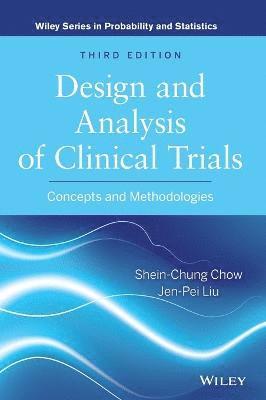
Concepts and Methodologies
1 906 kr
Skickas inom 7-10 vardagar
4 382 kr
Skickas inom 10-15 vardagar
3 168 kr
Skickas inom 7-10 vardagar
Validation, Process Controls, and Stability
2 515 kr
Skickas inom 10-15 vardagar
963 kr
Läs direkt efter köp
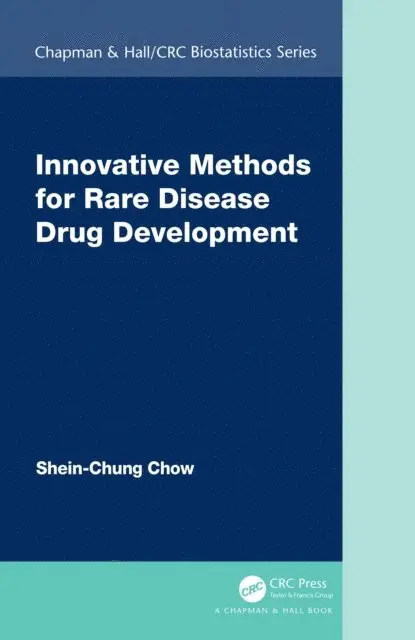
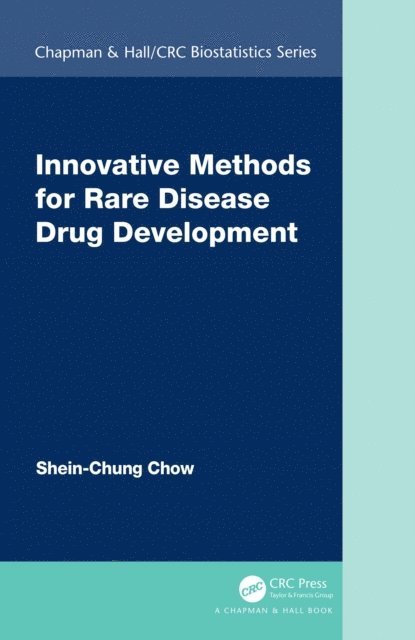
In the United States, a rare disease is defined by the Orphan Drug Act as a disorder or condition that affects fewer than 200,000 persons. For the approval of "orphan" drug products for rare diseases, the traditional approach of power analysis for sample size calculation is not feasible because there are only limited number of subjects available for clinical trials. In this case, innovative approaches are needed for providing substantial evidence meeting the same standards for statistical assurance as drugs used to treat common conditions. Innovative Methods for Rare Disease Drug Development focuses on biostatistical applications in terms of design and analysis in pharmaceutical research and development from both regulatory and scientific (statistical) perspectives.
Key Features:
Reviews critical issues (e.g., endpoint/margin selection, sample size requirements, and complex innovative design).
Provides better understanding of statistical concepts and methods which may be used in regulatory review and approval.
Clarifies controversial statistical issues in regulatory review and approval accurately and reliably.
Makes recommendations to evaluate rare diseases regulatory submissions.
Proposes innovative study designs and statistical methods for rare diseases drug development, including n-of-1 trial design, adaptive trial design, and master protocols like platform trials.
Provides insight regarding current regulatory guidance on rare diseases drug development like gene therapy.

942 kr
Läs direkt efter köp
In the United States, a rare disease is defined by the Orphan Drug Act as a disorder or condition that affects fewer than 200,000 persons. For the approval of "orphan" drug products for rare diseases, the traditional approach of power analysis for sample size calculation is not feasible because there are only limited number of subjects available for clinical trials. In this case, innovative approaches are needed for providing substantial evidence meeting the same standards for statistical assurance as drugs used to treat common conditions. Innovative Methods for Rare Disease Drug Development focuses on biostatistical applications in terms of design and analysis in pharmaceutical research and development from both regulatory and scientific (statistical) perspectives.
Key Features:
Reviews critical issues (e.g., endpoint/margin selection, sample size requirements, and complex innovative design).
Provides better understanding of statistical concepts and methods which may be used in regulatory review and approval.
Clarifies controversial statistical issues in regulatory review and approval accurately and reliably.
Makes recommendations to evaluate rare diseases regulatory submissions.
Proposes innovative study designs and statistical methods for rare diseases drug development, including n-of-1 trial design, adaptive trial design, and master protocols like platform trials.
Provides insight regarding current regulatory guidance on rare diseases drug development like gene therapy.
881 kr
Läs direkt efter köp
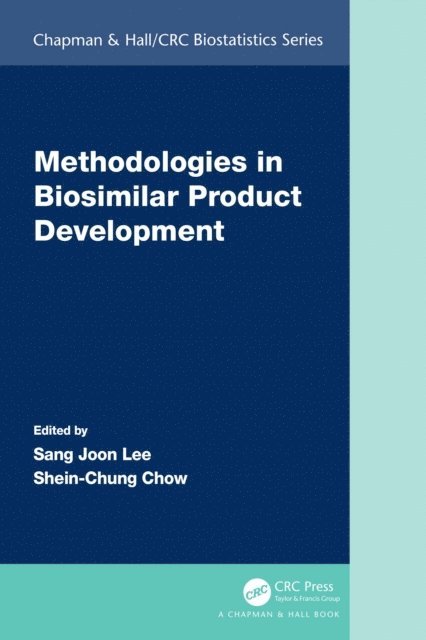
Methodologies for Biosimilar Product Development covers the practical and challenging issues that are commonly encountered during the development, review, and approval of a proposed biosimilar product. These practical and challenging issues include, but are not limited to the mix-up use of interval hypotheses testing (i.e., the use of TOST) and confidence interval approach, a risk/benefit assessment for non-inferiority/similarity margin, PK/PD bridging studies with multiple references, the detection of possible reference product change over time, design and analysis of biosimilar switching studies, the assessment of sensitivity index for assessment of extrapolation across indications without collecting data from those indications not under study, and the feasibility and validation of non-medical switch post-approval.
Key Features:
Reviews withdrawn draft guidance on analytical similarity assessment. Evaluates various methods for analytical similarity evaluation based on FDA’s current guidelines. Provides a general approach for the use of n-of-1 trial design for assessment of interchangeability. Discusses the feasibility and validity of the non-medical switch studies. Provides innovative thinking for detection of possible reference product change over time.This book embraces innovative thinking of design and analysis for biosimilar studies, which are required for review and approval of biosimilar regulatory submissions.
910 kr
Läs direkt efter köp
Methodologies for Biosimilar Product Development covers the practical and challenging issues that are commonly encountered during the development, review, and approval of a proposed biosimilar product. These practical and challenging issues include, but are not limited to the mix-up use of interval hypotheses testing (i.e., the use of TOST) and confidence interval approach, a risk/benefit assessment for non-inferiority/similarity margin, PK/PD bridging studies with multiple references, the detection of possible reference product change over time, design and analysis of biosimilar switching studies, the assessment of sensitivity index for assessment of extrapolation across indications without collecting data from those indications not under study, and the feasibility and validation of non-medical switch post-approval.
Key Features:
Reviews withdrawn draft guidance on analytical similarity assessment. Evaluates various methods for analytical similarity evaluation based on FDA’s current guidelines. Provides a general approach for the use of n-of-1 trial design for assessment of interchangeability. Discusses the feasibility and validity of the non-medical switch studies. Provides innovative thinking for detection of possible reference product change over time.This book embraces innovative thinking of design and analysis for biosimilar studies, which are required for review and approval of biosimilar regulatory submissions.
1 052 kr
Läs direkt efter köp
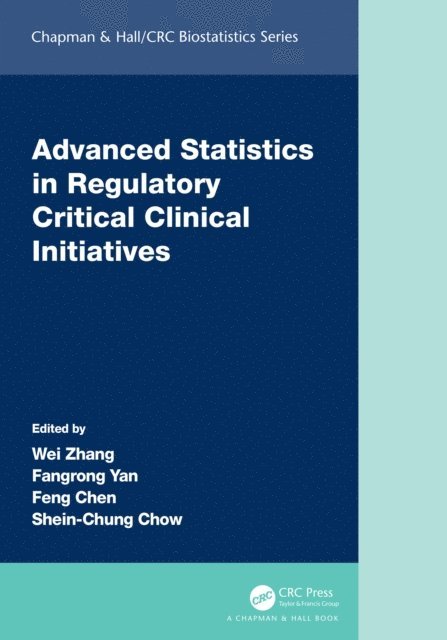
Advanced Statistics in Regulatory Critical Clinical Initiatives is focused on the critical clinical initiatives introduced by the 21st Century Cure Act passed by the United States Congress in December 2016. The book covers everything from the outline of the initiatives to analysis on the effect on biopharmaceutical research and development. Advanced Statistics in Regulatory Critical Clinical Initiatives provides innovative ways to resolve common challenges in statistical research of rare diseases such small sample sizes and provides guidance for combined use of data. With analysis from regulatory and scientific perspectives this book is an ideal companion for researchers in biostatistics, pharmaceutical development, and policy makers in related fields.
Key Features:
Provides better understanding of innovative design and analysis of each critical clinical initiatives which may be used in regulatory review/approval of drug development. Makes recommendations to evaluate submissions accurately and reliably. Proposes innovative study designs and statistical methods for oncology and/or rare disease drug development. Provides insight regarding current regulatory guidance on drug development such as gene therapy and rare diseases.