In Here, George Washington Was Born, Seth C. Bruggeman examines the history of commemoration in the United States by focusing on the George Washington Birthplace National Monument in Virginia's Northern Neck, where contests of public memory have unfolded with particular vigor for nearly eighty years.Washington left the birthplace with his family at a young age and rarely returned. The house burned in 1779 and would likely have passed from memory but for George Washington Parke Custis, who erected a stone marker on the site in 1815, creating the first birthplace monument in America. Both Virginia and the U.S. War Department later commemorated the site, but neither matched the work of a Virginia ladies association that in 1923 resolved to build a replica of the home. The National Park Service permitted construction of the "replica house" until a shocking archeological discovery sparked protracted battles between the two organizations over the building's appearance, purpose, and claims to historical authenticity.Bruggeman sifts through years of correspondence, superintendent logs, and other park records to reconstruct delicate negotiations of power among a host of often unexpected claimants on Washington's memory. By paying close attention to costumes, furnishings, and other material culture, he reveals the centrality of race and gender in the construction of Washington's public memory and reminds us that national parks have not always welcomed all Americans. What's more, Bruggeman offers the story of Washington's birthplace as a cautionary tale about the perils and possibilities of public history by asking why we care about famous birthplaces at all.
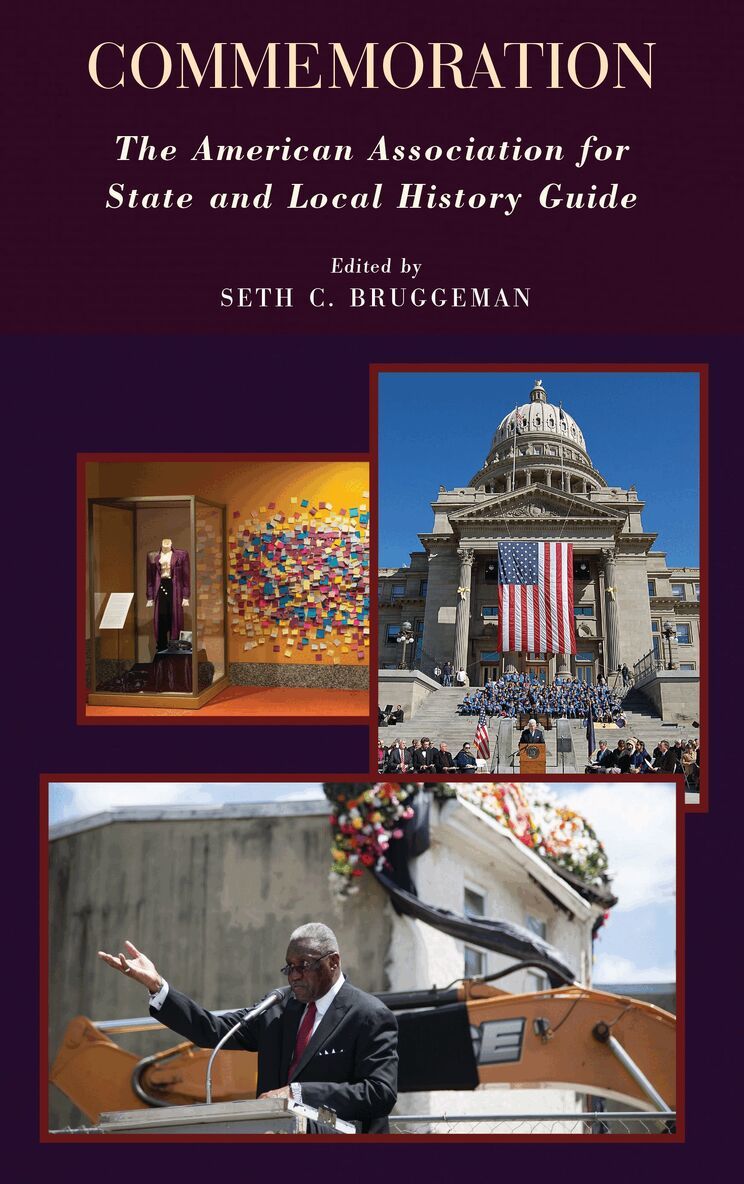
Commemoration: The American Association for State and Local History Guide serves as a handbook for historic site managers, heritage professionals, and all manner of public historians who contend daily with the ground-level complexities of commemoration. Its fourteen short essays are intended as tools for practitioners, students, and anyone else confronted with common problems in commemorative practice today. Of particular concern are strategies for expanding commemoration across the panoply of American identities, confronting tragedy and difficult pasts, and doing responsible work in the face of persistent economic and political turmoil. A special afterword explores the role of emotion in modern commemoration and what it suggests about possibilities for engaging new audiences.
Scores of birthplace monuments and historic childhood homes dot the American landscape. These special places, many dating to the early years of the last century, have enshrined nativity alongside patriotism and valour among the key pillars of the nation’s popular historical imagination. The essays in this volume suggest that the way Americans have celebrated famous births reflects evolving expectations of citizenship as well as a willingness to edit the past when those hopes go unfulfilled. The contributors also demonstrate that the reinvention of origin myths at birthplace monuments still factors in American political culture and the search for meaning in an ever-shifting global order. Beyond asking why it is that Americans care about birthplaces and how they choose which ones to commemorate, Born in the U.S.A. offers insights from historians, curators, interpretative specialists, and others whose experience speaks directly to the challenges of managing historical sites. Each essay points to new ways of telling old stories at these mainstays of American memory. The case of the modern house museum receives special attention in a provocative concluding essay by Patricia West. In addition to West and the editor, contributors include Christine Arato, Dan Currie, Keith A. Erekson, David Glassberg, Anna Thompson Hajdik, Zachary J. Lechner, Paul Lewis, Hilary Iris Lowe, Cynthia Miller, Laura Lawfer Orr, Robert Paynter, Angela Phelps, and Paul Reber.
Boston National Historical Park is one of America's most popular heritage destinations, drawing in millions of visitors annually. Tourists flock there to see the site of the Boston Massacre, to relive Paul Revere's midnight ride, and to board Old Ironsides—all of these bound together by the iconic Freedom Trail, which traces the city's revolutionary saga.Making sense of the Revolution, however, was never the primary aim for the planners who reimagined Boston's heritage landscape after the Second World War. Seth C. Bruggeman demonstrates that the Freedom Trail was always largely a tourist gimmick, devised to lure affluent white Americans into downtown revival schemes, its success hinging on a narrow vision of the city's history run through with old stories about heroic white men. When Congress pressured the National Park Service to create this historical park for the nation's bicentennial celebration in 1976, these ideas seeped into its organizational logic, precluding the possibility that history might prevail over gentrification and profit.