Many economic developments in Europe date back to the Middle Ages & for example, the emergence of the banking and insurance systems, and cashless payments. Issues of economic history, however, are usually given little space in introductions to medieval history. This third volume of a series of introductions to economic history, spanning several time periods, closes this gap. Sebastian Steinbach not only provides a concise overview of the economics of the Middle Ages in Europe, but also discusses research issues such as the commercial revolution, publishing, and the agricultural depression of the late Middle Ages. Lively and informative, it refutes the idea that the Middle Ages represented a period of economic stagnation. With interpretations of many different sources, Steinbach also indicates the way in which insights into economic history are obtained.
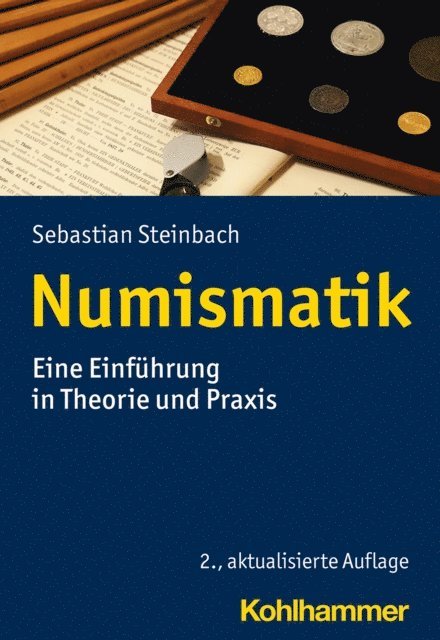
Coins and medals are among the most extensive groups of historical sources for the premodern era. The images and inscriptions on them reflect numerous aspects of economic, constitutional, artistic and cultural history. With the help of numerous illustrations and vivid examples, Sebastian Steinbach provides an introduction to the working techniques and methods of numismatics against the background of the general history of money. Another focus is on the practical application of this knowledge in various professional fields. The text is supplemented with an extensive appendix with useful tables, graphs and Internet sources as well as a glossary and a bibliography on German coinage history in the Middle Ages and the modern period. With the help of this book, coins can put history almost literally at your fingertips.
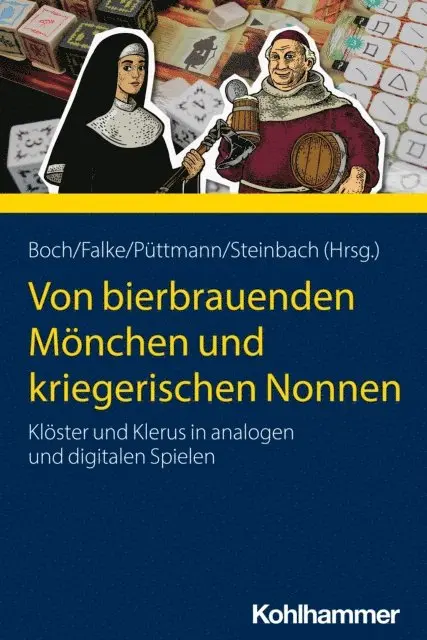
Spiele sind ein wichtiger Bestandteil populärer (Kirchen-)Geschichtskulturen. Durch die Kombination aus Setting, Material und Regelsystem transportieren sie einer breiten Öffentlichkeit Vorstellungen von historischen Ereignissen, Personen und Epochen. Noch kaum erforscht ist der Umstand, dass viele Spiele kirchenhistorische Themen beinhalten. In ihnen finden sich immer wieder Klöster, die als Wirtschaftsunternehmen und Bildungszentren, aber auch als unheimliche Orte charakterisiert werden. Zudem treffen wir auf bierbrauende Mönche oder Nonnen, die in fantastischen Welten gegen das Böse kämpfen.Die Beiträge dieses Bands legen anhand zahlreicher Beispiele dar, wie Klosterkultur, vor allem des Mittelalters, in unterschiedlichen Spielgenres und -mechaniken aufgegriffen und verarbeitet wird. Dabei werden aktuelle wissenschaftstheoretische Fragestellungen der digitalen und erstmals auch der neu entstehenden analogen Spieleforschung behandelt und veranschaulicht.