Unlike conventional synchronous circuits, asynchronous circuits are not coordinated by a clocking signal, but instead use handshaking protocols to control circuit behaviour. Asynchronous circuits have been found to offer several advantages, including high energy efficiency, flexible timing requirements, high modularity, low noise/EMI, and robustness to PVT variations. At the same time, growing pressures on the electronics industry for ever smaller, more efficient ICs are pushing the limits of conventional circuit technologies. These factors are spurring growing interest in asynchronous circuits amongst both the academic research and commercial R&D communities.This book introduces a wide range of existing and potential applications for asynchronous circuits, each accompanied with the corresponding circuit design theory, sample circuit implementations, results, and analysis. It serves as an essential guide for academic researchers and students looking to broaden their thinking in advancing asynchronous applications and design methodologies, and provides practical advice to industrial engineers when considering the incorporation of asynchronous circuits in their own applications.
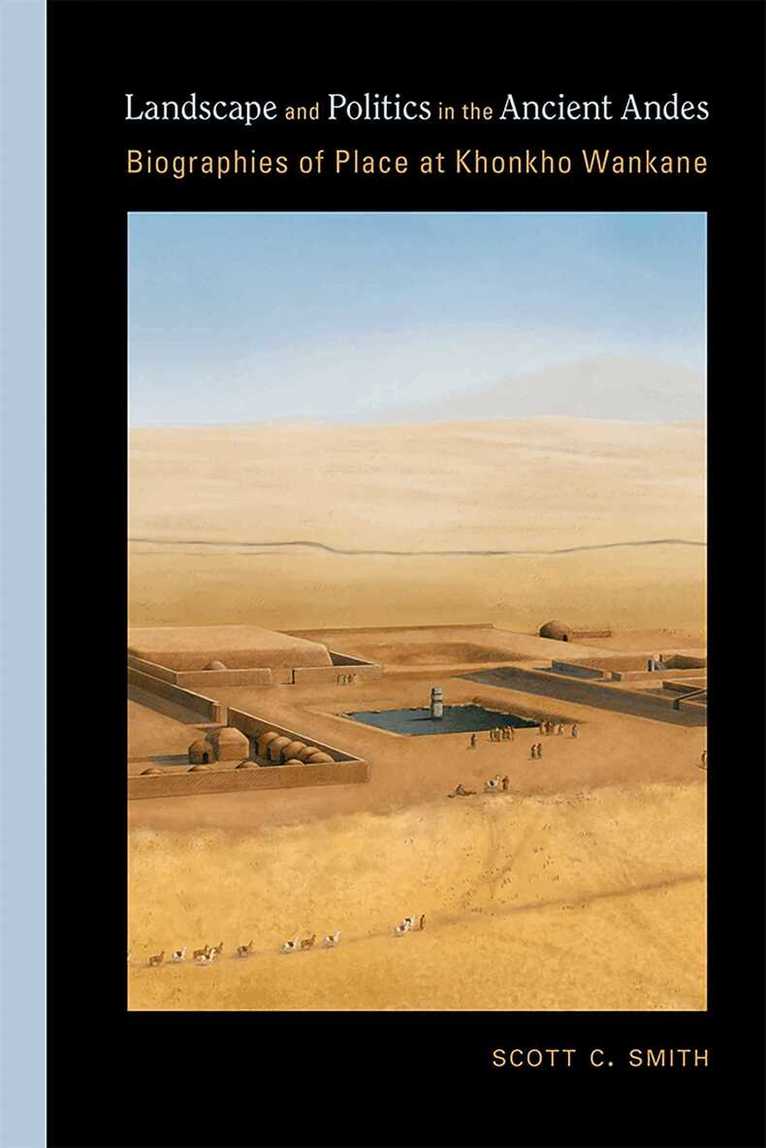
This book is a study of the ways places are created and how they attain meaning. Smith presents archaeological data from Khonkho Wankane in the southern Lake Titicaca basin of Bolivia to explore how landscapes were imagined and constructed during processes of political centralization in this region. In particular he examines landscapes of movement and the development of powerful political and religious centers during the Late Formative period (200 BC-AD 500), just before the emergence of the urban state centered at Tiwanaku (AD 500-1100).Late Formative politico-religious centers, Smith notes, were characterized by mobile populations of agropastoralists and caravan drovers. By exploring ritual practice at Late Formative settlements, Smith provides a new way of looking at political centralization, incipient urbanism, and state formation at Tiwanaku.