Building on the intellectual and political momentum that established the Critical Ethnic Studies Association, this Reader inaugurates a radical response to the appropriations of liberal multiculturalism while building on the possibilities enlivened by the historical work of Ethnic Studies. It does not attempt to circumscribe the boundaries of Critical Ethnic Studies; rather, it offers a space to promote open dialogue, discussion, and debate regarding the field's expansive, politically complex, and intellectually rich concerns. Covering a wide range of topics, from multiculturalism, the neoliberal university, and the exploitation of bodies to empire, the militarized security state, and decolonialism, these twenty-five essays call attention to the urgency of articulating a Critical Ethnic Studies for the twenty-first century.
Building on the intellectual and political momentum that established the Critical Ethnic Studies Association, this Reader inaugurates a radical response to the appropriations of liberal multiculturalism while building on the possibilities enlivened by the historical work of Ethnic Studies. It does not attempt to circumscribe the boundaries of Critical Ethnic Studies; rather, it offers a space to promote open dialogue, discussion, and debate regarding the field''s expansive, politically complex, and intellectually rich concerns. Covering a wide range of topics, from multiculturalism, the neoliberal university, and the exploitation of bodies to empire, the militarized security state, and decolonialism, these twenty-five essays call attention to the urgency of articulating a Critical Ethnic Studies for the twenty-first century.
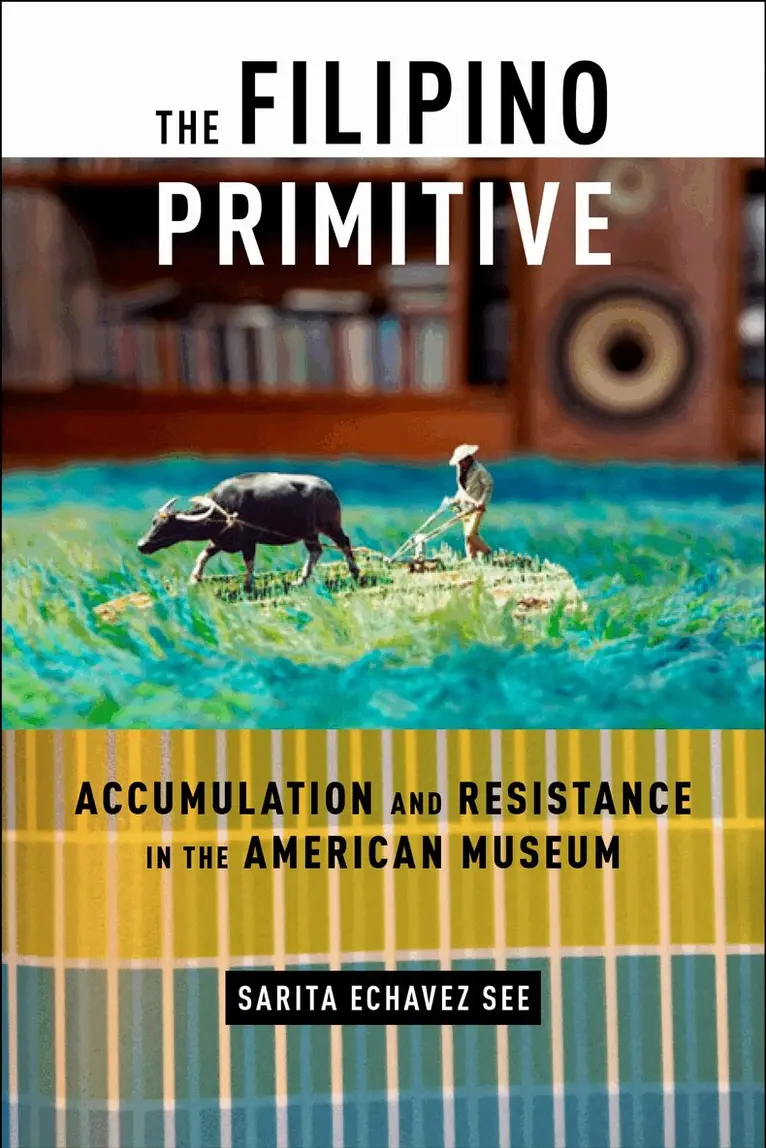
How museums' visual culture contributes to knowledge accumulation Sarita See argues that collections of stolen artifacts form the foundation of American knowledge production. Nowhere can we appreciate more easily the triple forces of knowledge accumulation—capitalist, colonial, and racial—than in the imperial museum, where the objects of accumulation remain materially, visibly preserved. The Filipino Primitive takes Karl Marx's concept of "primitive accumulation," usually conceived of as an economic process for the acquisition of land and the extraction of labor, and argues that we also must understand it as a project of knowledge accumulation. Taking us through the Philippine collections at the University of Michigan Natural History Museum and the Frank Murphy Memorial Museum, also in Michigan, See reveals these exhibits as both allegory and real case of the primitive accumulation that subtends imperial American knowledge, just as the extraction of Filipino labor contributes to American capitalist colonialism. With this understanding of the Filipino foundations of the American drive toward power and knowledge, we can appreciate the value of Filipino American cultural producers like Carlos Bulosan, Stephanie Syjuco, and Ma-Yi Theater Company who have created incisive parodies of this accumulative epistemology, even as they articulate powerful alternative, anti-accumulative social ecologies.
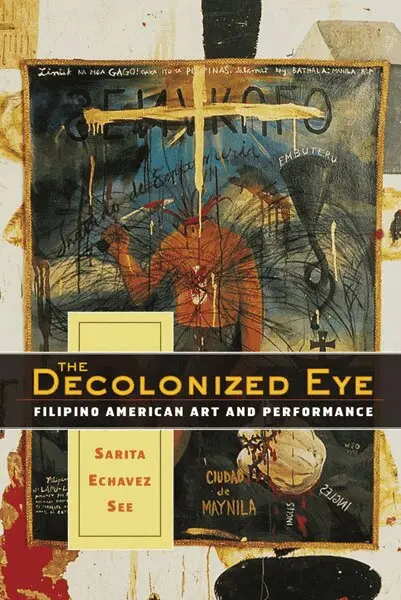
From the late 1980s to the present, artists of Filipino descent in the United States have produced a challenging and creative movement. In The Decolonized Eye, Sarita Echavez See shows how these artists have engaged with the complex aftermath of U.S. colonialism in the Philippines.Focusing on artists working in New York and California, See examines the overlapping artistic and aesthetic practices and concerns of filmmaker Angel Shaw, painter Manuel Ocampo, installation artist Paul Pfeiffer, comedian Rex Navarrete, performance artist Nicky Paraiso, and sculptor Reanne Estrada to explain the reasons for their strangely shadowy presence in American culture and scholarship. Offering an interpretation of their creations that accounts for their queer, decolonizing strategies of camp, mimesis, and humor, See reveals the conditions of possibility that constitute this contemporary archive.By analyzing art, performance, and visual culture, The Decolonized Eye illuminates the unexpected consequences of America's amnesia over its imperial history.