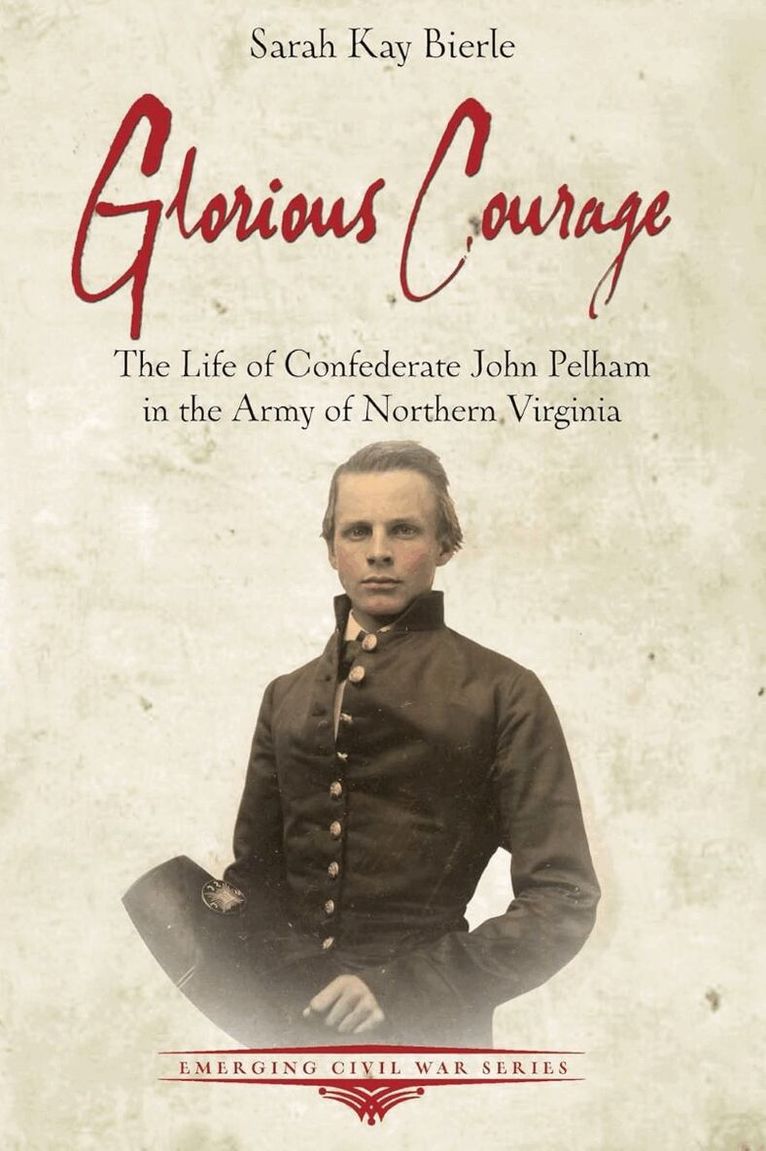
“It is glorious to see such courage in one so young!”So exclaimed Confederate General Robert E. Lee on December 13, 1862, during the battle of Fredericksburg as he watched Major John Pelham fight at least five Union batteries with just one lone gun. The dashing and handsome 24-year-old Alabama officer earned the compliments and admiration of his men, the war-gods of Virginia (Lee, Jackson, and Stuart), and Southern society—all while helping transform the concept of horse artillery on Civil War battlefields across Virginia and Maryland.After Pelham’s sudden death in 1863, his place in Lost Cause memory soared and admirers firmly elevated him into the upper ranks of the Confederate pantheon. His status as a Lost Cause hero exacted a price—admirers transformed Pelham’s memory into “the beau ideal of Confederate arms,” sometimes altering and clouding the realities of his life. His memory has been trapped there ever since—until now.In Glorious Courage, historian Sarah Kay Bierle reconsiders Pelham’s extraordinary, if short, life by drawing on primary and other sources and her extensive knowledge of the battlefields. Pelham’s zest for living carried him from Alabama to the military academy at West Point, while his zeal in command of the Stuart Horse Artillery earned him well-deserved plaudits. But like every other man who served the Confederate cause, the remarkable young officer was a human being with flaws. He deserves his place in history as he lived it, not varnished with the perspectives shoved upon him by later generations.
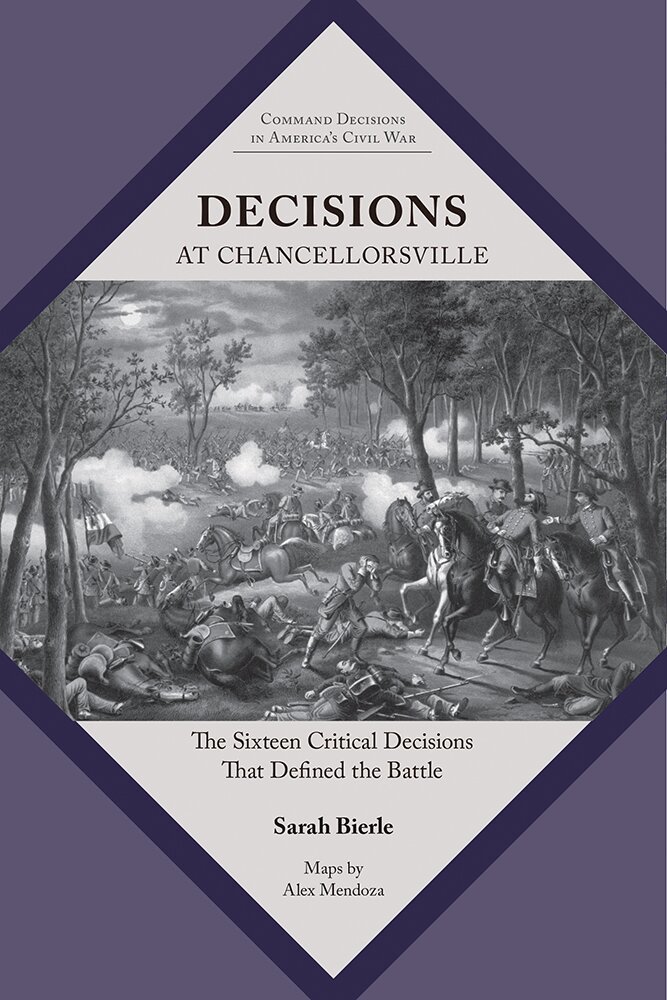
Having won a considerable victory at Fredericksburg only months earlier, Gen. Robert E. Lee would again be tested by Gen. Joseph Hooker and the Federal Army at Chancellorsville. Hooker and the bulk of his army crossed the Rappahannock River at dawn on April 27, 1863, in conjunction with cavalry raids from Maj. Gen. George Stoneman. But Lee boldly divided his army, leaving a small force to defend Fredericksburg and attacking Hooker with the remainder of the Army of Northern Virginia. As the battle wore on, Lee launched multiple attacks on Hooker’s defenses resulting in massive casualties for both sides. Lee divided his army again, sending Gen. Thomas “Stonewall” Jackson’s corps on a flanking maneuver that infamously resulted in the general’s injury by friendly fire and eventual death. Though the Confederate Army’s victory was assured, Lee equated the loss of Stonewall Jackson to the loss of his right hand, and as many months later Lee would find his army in a tide-turning defeat at the Battle of Gettysburg. Decisions at Chancellorsville explores the critical decisions made by Confederate and Federal commanders during the campaign and how these decisions shaped its outcome. Rather than offering a history of the operation, Sarah Bierle hones in on a sequence of decisions made by commanders on both sides of the contest to provide a blueprint of the campaign at its tactical core. Identifying and exploring the critical decisions in this way allows students of the battles to progress from a knowledge of what happened to a mature grasp of why events happened.Complete with maps and a driving tour, Decisions at Chancellorsville is an indispensable primer, and readers looking for a concise introduction to the battles can tour this sacred ground—or read about it at their leisure—with key insights into the campaign and a deeper understanding of the Civil War itself.Decisions at Chancellorsville is the twenty-second in a series of books that explores the critical decisions of major campaigns and battles of the Civil War.
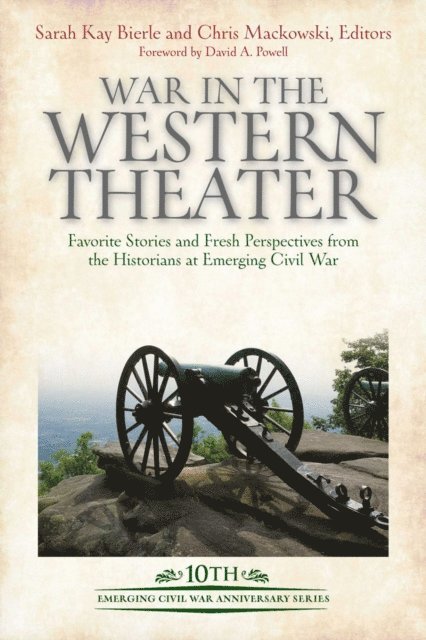
War in the Western Theater offers fresh perspectives on pivotal Civil War events, shedding light on overlooked battles and figures, revealing untold stories that reshape our understanding of this crucial region. The Western Theater has long been pushed to the side by events in the Eastern Theater, but it was in the West where the Federal armies won the Civil War. Interest in this complex region is finally increasing, and the authors at Emerging Civil War add substantially to that growing body of literature with War in the Western Theater: Favorite Stories and Fresh Perspectives from the Historians at Emerging Civil War. Dozens of entries offer fresh and insightful aspects and angles to key events that unfolded between the Appalachians and the Mississippi River. Revisit an important Confederate charge at Shiloh, discover how key decisions won (and lost) the bloody fighting at Chickamauga, and ponder how whiskey may have impacted the fighting at Corinth. Readers will walk the battlefield at Fort Blakeley outside Mobile, fight in the hellish cedars at Stones River, and mourn with a Mississippi family. Insights abound. How many students of the war knew a Confederate major, watching the riverine bombardment of Fort Donelson up close and personal, rushed to send detailed sketches of the ironclads to Gen. Robert E. Lee to warn him of this new way of fighting—and the lethal dangers it portended? And these are just a taste of what''s waiting inside. The selections herein bring together the best scholarship from Emerging Civil War''s blog, symposia, and podcast, revised and updated, together with original pieces designed to shed new light and insight on some of the most important and fascinating events that have for too long flown under the radar of history''s pens.