We often think of them as tiny, glittering creatures fluttering about in pastel tulle, but fairies haven't always been so benign. Here, historian Sarah Clegg explores the true history of fairies, and the menace and ambiguity that always lurks within the shimmering fantasy.This history takes us from elf fires in Iceland to a burial mound in Ireland; and from a stream in Cottingley where two sisters created a fairy hoax to a modern-day fairy ball in Los Angeles. Along the way, Clegg reveals fairies' connection to ancient gods and their role in the witch-trials, and examines their seductive presence in romantasy today. This is a story of how fairy myths grew and spread across Europe, of how they changed and developed, and why we have, for centuries, been so enthralled by the danger and enchantment of the fae.
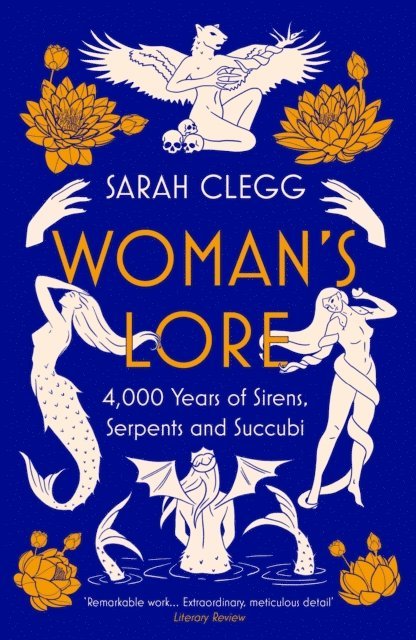
Shortlisted for the HWA Non-Fiction Crown Award 2023The history of a demonic tradition that was stolen from women – and then won back again.'Remarkable work... Extraordinary, meticulous detail' Literary Review'Deftly fuses scholarly rigour, control of literary and archaeological sources' BBC History MagazineCreatures like Lilith, the seductive first wife of Adam, and mermaids, who lured sailors to their death, are familiar figures in the genre of monstrous temptresses who use their charms to entice men to their doom.But if we go back 4,000 years, the roots of these demons lie in horrific creatures like Lamashtu, a lion-headed Mesopotamian demon who strangled infants and murdered pregnant women, and Gello, a virgin ghost of ancient Greece who killed expectant mothers and babies out of jealousy. Far from enticing men into danger and destruction, these monsters were part of women’s ritual practices surrounding childbirth and pregnancy. So how did their mythology evolve into one focused on the seduction of men?Sarah Clegg takes us on an absorbing and witty journey from ancient Mesopotamia to the present day, encountering a multitude of serpentine succubi, a child-eating wolf-monster of ancient Greece, the Queen of Sheba and a host of vampires. Clegg shows how these demons were appropriated by male-centred societies, before they were eventually recast as symbols of women’s liberation, offering new insights into attitudes towards womanhood, sexuality and women’s rights.
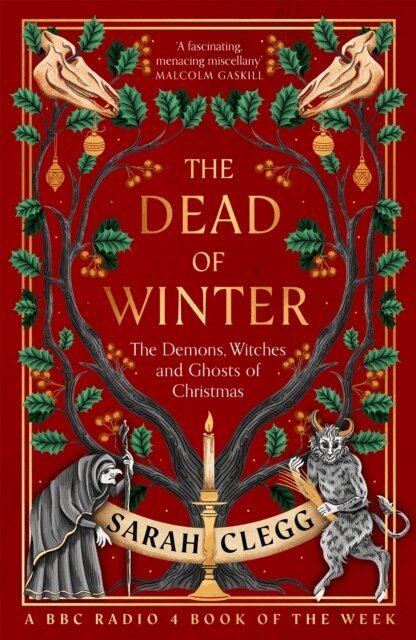
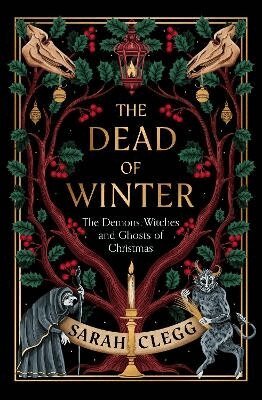
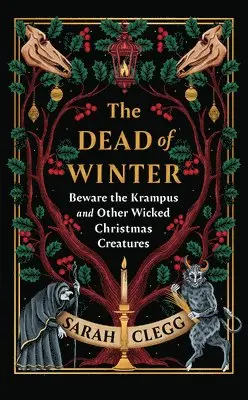
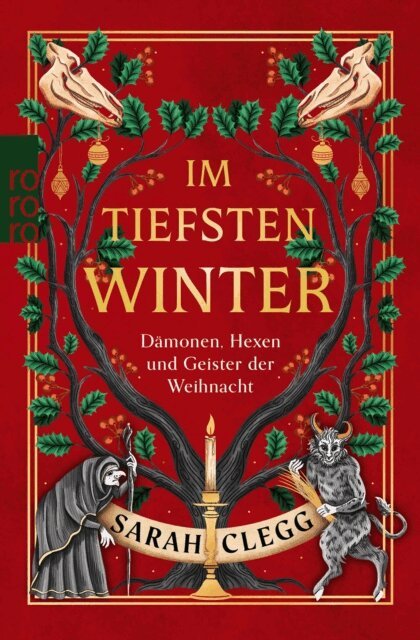
A SUNDAY TIMES BESTSELLERA WATERSTONES BOOK OF THE MONTHA BBC RADIO 4 BOOK OF THE WEEKAs winter comes and the hours of darkness overtake the light, we seek out warmth, good food, and good company. But beneath the jollity and bright enchantment of the festive season, there lurks a darker mood - one that has found expression over the centuries in a host of strange and unsettling traditions and lore. Here, Sarah Clegg takes us on a journey through midwinter to explore the lesser-known Christmas traditions, from English mummers plays and Austrian Krampus runs, to modern pagan rituals at Stonehenge and the night in Finland when a young girl is crowned with candles as St Lucy - a martyred Christian girl who also appears as a witch leading a procession of the dead. At wassails and hoodenings and winter gatherings, attended by ghastly, grinning horses, snatching monsters and mysterious visitors, we discover how these traditions originated and how they changed through the centuries, and we ask ourselves: if we can't keep the darkness entirely at bay, might it be fun to let a little in?
As winter comes and the hours of darkness overtake the light, we seek out warmth, good food, and good company. But beneath the jollity and bright enchantment of the festive season, there lurks a darker mood - one that has found expression over the centuries in a host of strange and unsettling traditions and lore. Here, Sarah Clegg takes us on a journey through midwinter to explore the lesser-known Christmas traditions, from English mummers plays and Austrian Krampus runs, to modern pagan rituals at Stonehenge and the night in Finland when a young girl is crowned with candles as St Lucy - a martyred Christian girl who also appears as a witch leading a procession of the dead. At wassails and hoodenings and winter gatherings, attended by ghastly, grinning horses, snatching monsters and mysterious visitors, we discover how these traditions originated and how they changed through the centuries, and we ask ourselves: if we can't keep the darkness entirely at bay, might it be fun to let a little in?
A compendium of fairies and fairy lore through the centuries, told through a magical year in search of the fae from the author of the remarkable (Literary Review) Womans Lore.Fairy stories and fae lore are ancientyet fairy stories continue to transform and enthrall our imaginations generation after generation. From Tolkiens elves to Sarah J. Maass high fae, storytellers have reinterpreted the same set of traditions and texts over and over again. Perilous Enchantment presents a definitive new cultural history of the fairy, from ancient times to now, across Europe and North America. By visiting a different fairy site each monthincluding fairy hills in Yorkshire, to a nymphs cave in Delphi, to a contemporary fairy ball in Los AngelesCambridge PhD and folkloristSarah Clegg illuminates all the facets of the elusive, capricious figure. Clegg shows us how shifts in culture, technology, and avenues of storytelling have shaped the image of the fairy and fairylands. Within, youll trace how hyper-localized nature spirits in the first century BC became otherworldly tricksters and temptresses, then scions of purgatory or the devil, to adorable Victorian childrens book characters, and ultimately, our contemporary romantasy love interests. For fans curious for some of the inspiration behind their favorite novels to storytellers interested in adding their own twists to this rich lore, Perilous Enchantment provides a nuanced look at fairyland, from its most extraordinary tales to its darkest corners, showing us just how much faerie has always been a mirror to our own human imaginations, fears, and desires.
Shortlisted for the HWA Non-Fiction Crown Award 2023The history of a demonic tradition that was stolen from women – and then won back again.''Remarkable work... Extraordinary, meticulous detail'' Literary Review''Deftly fuses scholarly rigour, control of literary and archaeological sources'' BBC History MagazineCreatures like Lilith, the seductive first wife of Adam, and mermaids, who lured sailors to their death, are familiar figures in the genre of monstrous temptresses who use their charms to entice men to their doom.But if we go back 4,000 years, the roots of these demons lie in horrific creatures like Lamashtu, a lion-headed Mesopotamian demon who strangled infants and murdered pregnant women, and Gello, a virgin ghost of ancient Greece who killed expectant mothers and babies out of jealousy. Far from enticing men into danger and destruction, these monsters were part of women''s ritual practices surrounding childbirth and pregnancy. So how did their mythology evolve into one focused on the seduction of men?Sarah Clegg takes us on an absorbing and witty journey from ancient Mesopotamia to the present day, encountering a multitude of serpentine succubi, a child-eating wolf-monster of ancient Greece, the Queen of Sheba and a host of vampires. Clegg shows how these demons were appropriated by male-centred societies, before they were eventually recast as symbols of women''s liberation, offering new insights into attitudes towards womanhood, sexuality and women''s rights.
A compendium of fairies and fairy lore through the centuries, told through a magical year in search of the fae from the author of the remarkable (Literary Review) Womans Lore.Fairy stories and fae lore are ancientyet fairy stories continue to transform and enthrall our imaginations generation after generation. From Tolkiens elves to Sarah J. Maass high fae, storytellers have reinterpreted the same set of traditions and texts over and over again. Perilous Enchantment presents a definitive new cultural history of the fairy, from ancient times to now, across Europe and North America. By visiting a different fairy site each monthincluding fairy hills in Yorkshire, to a nymphs cave in Delphi, to a contemporary fairy ball in Los AngelesCambridge PhD and folkloristSarah Clegg illuminates all the facets of the elusive, capricious figure. Clegg shows us how shifts in culture, technology, and avenues of storytelling have shaped the image of the fairy and fairylands. Within, youll trace how hyper-localized nature spirits in the first century BC became otherworldly tricksters and temptresses, then scions of purgatory or the devil, to adorable Victorian childrens book characters, and ultimately, our contemporary romantasy love interests. For fans curious for some of the inspiration behind their favorite novels to storytellers interested in adding their own twists to this rich lore, Perilous Enchantment provides a nuanced look at fairyland, from its most extraordinary tales to its darkest corners, showing us just how much faerie has always been a mirror to our own human imaginations, fears, and desires.
Eine faszinierende Reise zu den dunklen Seiten der WeihnachtszeitWenn der Winter kommt und die Dunkelheit das Licht verdrangt, sehnen wir uns nach Warme, gutem Essen und lauschigen Abenden in Gesellschaft. Aber hinter der Frohlichkeit und dem hellen Zauber der Festtage verbirgt sich noch etwas anderes: die Ahnung einer Dunkelheit und Dusternis, die seit Jahrhunderten in einer Vielzahl seltsamer und beunruhigender Traditionen hervortritt. Auf den Spuren dieser winterlichen Traditionen reist Sarah Clegg durch Europa und erkundet ihre dusteren Seiten: von englischen Mummers-Spielen, osterreichischen Krampuslaufen, dem Nikolaus und seinem Knecht Ruprecht bis hin zu modernen heidnischen Ritualen in Stonehenge und dem Luciafest in Finnland. Bei ihren Besuchen von Wasails, Hoodenings und Winterfesten, an denen gruselige, grinsende Pferde, schnappende Monster und mysteriose Besucher teilnehmen, entdecken wir, wie diese Traditionen entstanden sind und wie sie sich im Laufe der Jahrhunderte verandert haben. Wer dieses Buch liest, fragt sich unweigerlich: Wenn wir die winterliche Dunkelheit schon nicht fernhalten konnen, warum sie dann nicht mitten hineinholen ins Leben?