2 145 kr
Skickas inom 10-15 vardagar
2 145 kr
Skickas inom 10-15 vardagar
739 kr
Skickas inom 10-15 vardagar
2 173 kr
Skickas inom 11-20 vardagar
Droplet and Digital Microfluidics: Ideation to Implementation is a detailed introduction to the dynamics of droplet and digital microfluidics, also featuring coverage of new methods and applications. The explosion of applications of microelectromechanical systems (MEMS) in recent years has driven demand for expertise and innovation in fluid flow in the microchannels they contain. In this book, detailed descriptions of methods for biological and chemical applications of microfluidics are provided, along with supporting foundational knowledge. In addition, the principles of droplet and digital microfluidics are explained, along with their different applications and governing physics.New additions to the technological knowledgebase that enable advances in droplet and digital microfluidics include machine learning and exciting future avenues for research.
Provides step-by-step fabrication, testing, and characterization instructions in each chapter to support implementationIncludes explanations of applications and methods in biological and chemical settingsDescribes the path to automation of digital and droplet microfluidic platforms3 117 kr
Läs direkt efter köp
2 020 kr
Kommande
Electrochemical Next-Generation Energy Microdevices: Conversion and Storage for Wearables and Implantable Smart Technology is an essential resource for researchers, engineers and industry professionals developing electrochemical micro energy devices. It covers fundamental concepts, advanced materials and innovative fabrication techniques for batteries, supercapacitors, hybrid systems and fuel cells, emphasizing nanostructured and flexible materials for wearables, biomedical implants, portable electronics and industrial applications.
The book provides step-by-step fabrication, testing and characterization procedures, supported by digital content such as videos and manuals for hands-on learning. It integrates electrochemical techniques, machine learning and simulation to optimize device performance, while addressing miniaturization, cost-effectiveness, scalability, sustainability and commercialization.
Readers gain an in-depth understanding of working mechanisms and electrochemical principles, along with state-of-the-art fabrication methods for miniaturized, high-performance devices. Coverage of nanomaterial synthesis, characterization and flexible substrate selection supports innovation in device design, while application-oriented discussions help translate research into practical solutions. By combining electrochemistry, materials science, nanotechnology and engineering, the book offers an interdisciplinary perspective that bridges gaps in existing literature.
Comprehensive coverage of electrochemical micro devices, including batteries, supercapacitors, hybrid devices, and fuel cells, with insights into their working principles and recent advancementsFocus on advanced fabrication techniques for miniaturizing energy devices on flexible substrates like polymers, textiles, and paperIn-depth discussion on the synthesis, characterization, and application of nanostructured and bioinspired materials used in energy devicesExploration of practical applications in industries, wearable electronics, biomedical implants, and energy harvesting systems1 957 kr
Skickas inom 7-10 vardagar
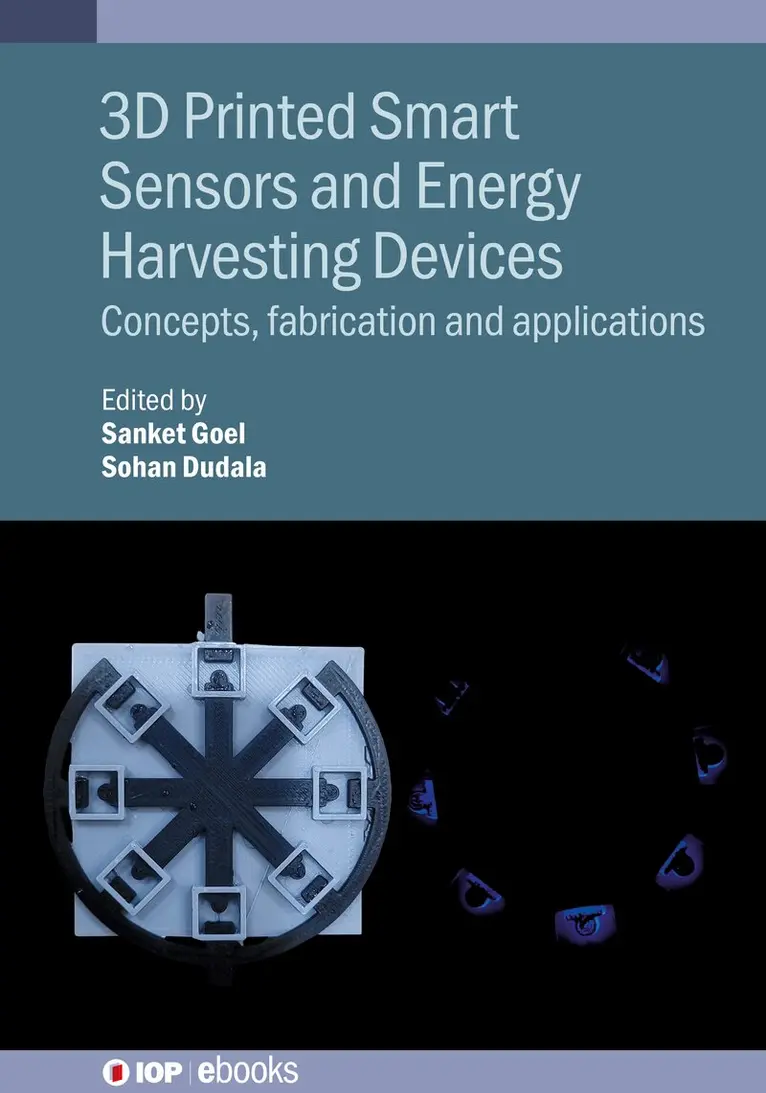
The book aims to explore the state-of-the-art integration of 3D printing technology in smart sensing and energy harvesting systems. By presenting a comprehensive overview of the field, the book seeks to bridge the gap between theoretical knowledge and practical applications, serving as a valuable resource for researchers, engineers, and students.
419 kr
Skickas inom 7-10 vardagar
886 kr
Läs direkt efter köp
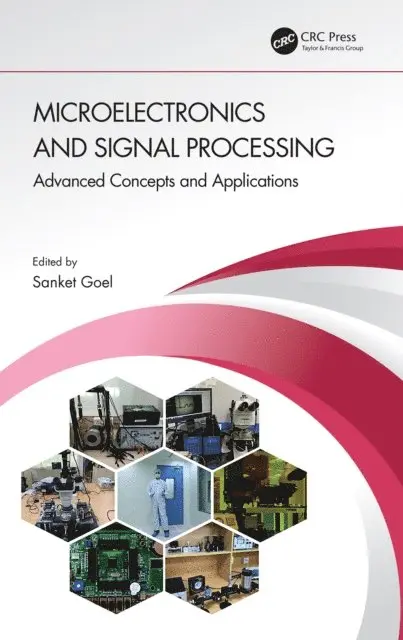
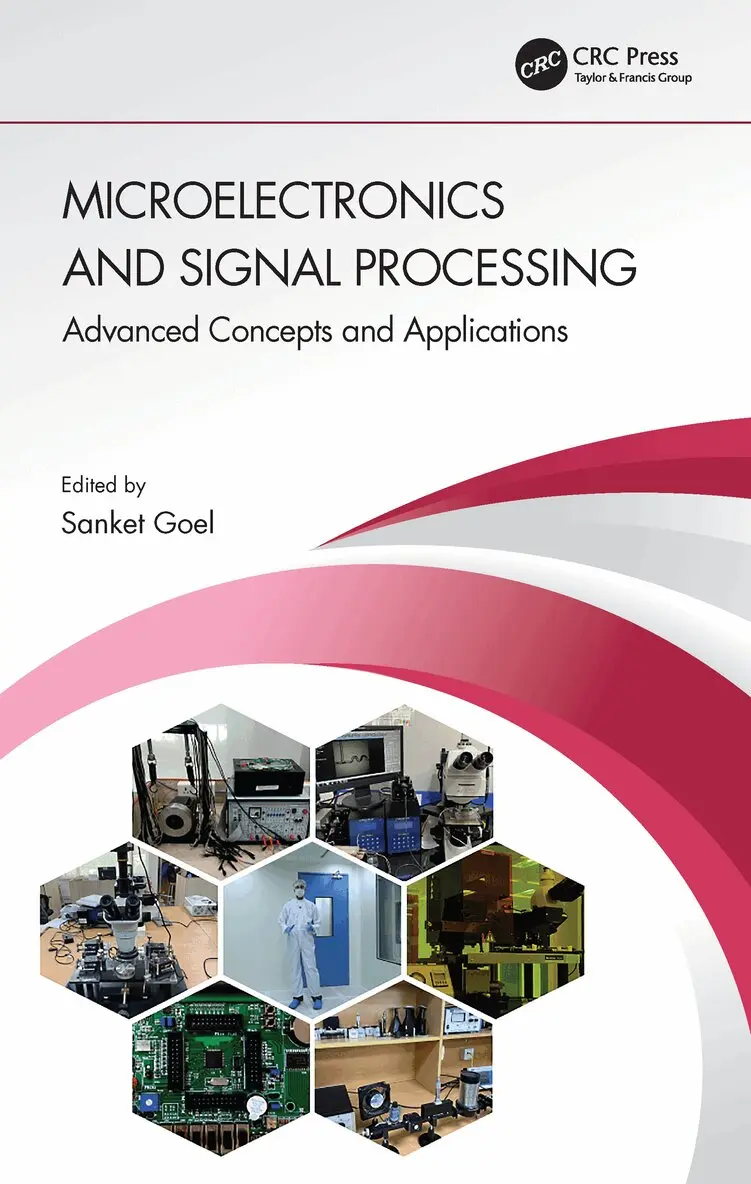
This book is about general and specific areas involved in electrical and electronics engineering which comprises broad subjects such as MEMS and Microfluidics, VLSI, Communication and Signal Processing. This book discusses the recent trends in various aspects of research areas for diverse applications like biomedical, biochemical, and power source systems. It also discusses modelling, simulating, and prototyping of the different electronic-based systems for carrying out varied applications. With this book, the readers will understand the multiplatform fundamentals guiding electrical and biomedical devices that form the current features such as automation, integration, and miniaturization of a particular device.
This book showcases a unique platform as it covers the different areas of research in this trending era as a benchmark. This book is a link between the electronics and cutting-edge technologies that are being used for numerous applications representing the physical and virtual developments of electronic devices. Therefore, this book will mostly uphold the innovation and originality involved in the development of miniaturized devices, and proposing new methods, emphasizing with different areas of electrical and electronics engineering.
This book entitles various approaches involved in electrical, biomedical, and electronics for modern distribution of research strategies and covers the state-of-art research themes. These include signal sensing, signal simulators, 3D printing technology, power systems, data acquisition systems, instrumentation, electrochemical sensing, electromechanical measurements, and signal analysis.
The book will provide the academic perspectives of the cutting-edge R&D outputs from the faculty members and Ph.D. students, amalgamating the newer cross-dimensional areas, such as cyber-physical systems, nanoelectronics, smart-sensors, point-of-need devices, etc. The book will become a benchmark to the readers to understand the academic aspect of the contemporary work and the way forward on how this will lead to help the society-at-large.
873 kr
Läs direkt efter köp
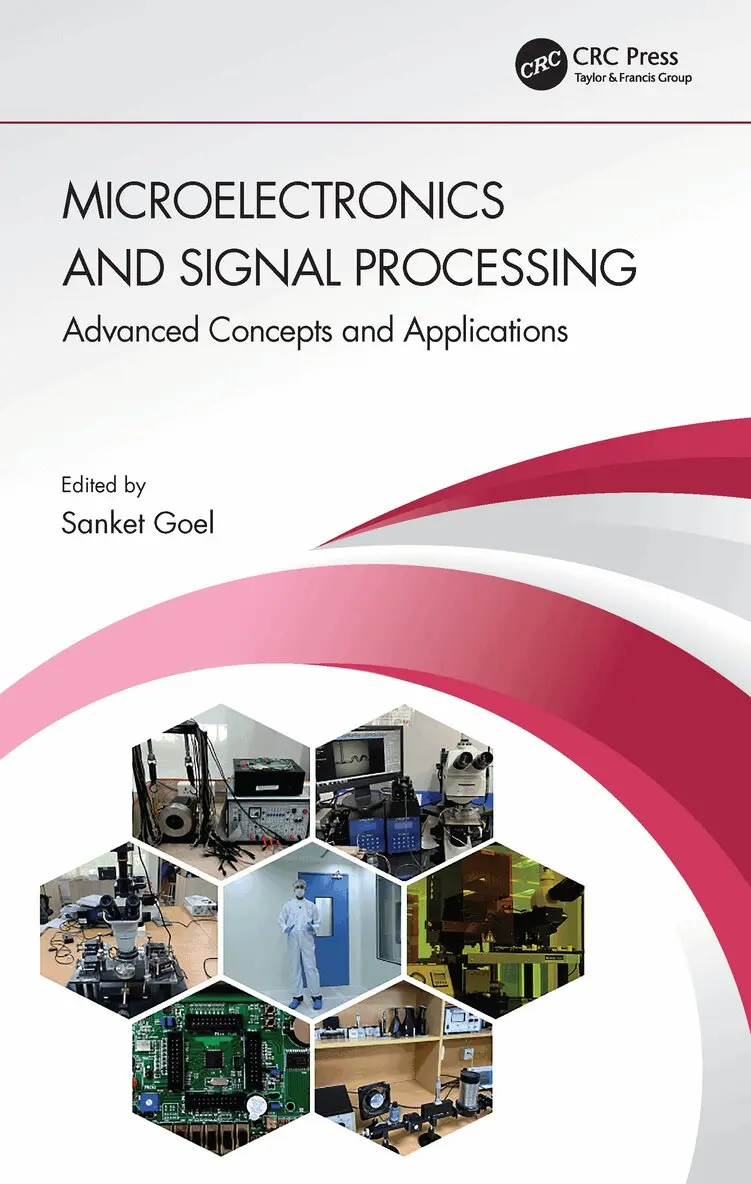
This book is about general and specific areas involved in electrical and electronics engineering which comprises broad subjects such as MEMS and Microfluidics, VLSI, Communication and Signal Processing. This book discusses the recent trends in various aspects of research areas for diverse applications like biomedical, biochemical, and power source systems. It also discusses modelling, simulating, and prototyping of the different electronic-based systems for carrying out varied applications. With this book, the readers will understand the multiplatform fundamentals guiding electrical and biomedical devices that form the current features such as automation, integration, and miniaturization of a particular device.
This book showcases a unique platform as it covers the different areas of research in this trending era as a benchmark. This book is a link between the electronics and cutting-edge technologies that are being used for numerous applications representing the physical and virtual developments of electronic devices. Therefore, this book will mostly uphold the innovation and originality involved in the development of miniaturized devices, and proposing new methods, emphasizing with different areas of electrical and electronics engineering.
This book entitles various approaches involved in electrical, biomedical, and electronics for modern distribution of research strategies and covers the state-of-art research themes. These include signal sensing, signal simulators, 3D printing technology, power systems, data acquisition systems, instrumentation, electrochemical sensing, electromechanical measurements, and signal analysis.
The book will provide the academic perspectives of the cutting-edge R&D outputs from the faculty members and Ph.D. students, amalgamating the newer cross-dimensional areas, such as cyber-physical systems, nanoelectronics, smart-sensors, point-of-need devices, etc. The book will become a benchmark to the readers to understand the academic aspect of the contemporary work and the way forward on how this will lead to help the society-at-large.

1 015 kr
Läs direkt efter köp
Evidently, electrochemical sensing has revolutionized the electroanalytical detections in the world. Since the 19th century, a huge amount of growth has been visible on various fronts, such as biosensors, energy devices, semiconductor devices, communication, embedded systems, sensors etc. However, the major research gap lies in the fact that most of the reported literatures are bulk systems; hence there are limitations for practical applications.
Research in these domains has been carried out by both academia and industry, whereby academics is the backbone whose intellectual outputs have been widely adopted by the industry and implemented for consumers at large. In order to impart portability to the electrochemical sensors for point-of-care application, the collaboration of electrochemistry, microfluidics, electronics and communication as an interdisciplinary forum is crucial. The miniaturization, automation, IoT enabling and integration are the requirements for building the mentioned research gap. The conversion of electrochemical sensing theoretical concepts to practical applications in real time via miniaturization and integration of microfluidics will enhance this domain. In this context, of lately, several research groups have developed miniaturized microdevices as electrochemical-sensing platforms. This has led to a demand of offering a reference book as a guideline for the PhD programs in electrochemistry, MEMS, electronics and communication. Undoubtedly, this will have a huge impact for R&D in industries, public-funded research institutes and academic institutions.
The book will provide a single forum to understand the current research trends and future perspectives of various electrochemical sensors and their integration in microfluidic devices, automation and point-of-care testing. For students, the book will become a motivation for them to explore these areas for their career standpoints. For the professionals, the book will become a thought-provoking stage to manoeuvre the next-generation devices/processes for commercialization.
1 000 kr
Läs direkt efter köp
Evidently, electrochemical sensing has revolutionized the electroanalytical detections in the world. Since the 19th century, a huge amount of growth has been visible on various fronts, such as biosensors, energy devices, semiconductor devices, communication, embedded systems, sensors etc. However, the major research gap lies in the fact that most of the reported literatures are bulk systems; hence there are limitations for practical applications.
Research in these domains has been carried out by both academia and industry, whereby academics is the backbone whose intellectual outputs have been widely adopted by the industry and implemented for consumers at large. In order to impart portability to the electrochemical sensors for point-of-care application, the collaboration of electrochemistry, microfluidics, electronics and communication as an interdisciplinary forum is crucial. The miniaturization, automation, IoT enabling and integration are the requirements for building the mentioned research gap. The conversion of electrochemical sensing theoretical concepts to practical applications in real time via miniaturization and integration of microfluidics will enhance this domain. In this context, of lately, several research groups have developed miniaturized microdevices as electrochemical-sensing platforms. This has led to a demand of offering a reference book as a guideline for the PhD programs in electrochemistry, MEMS, electronics and communication. Undoubtedly, this will have a huge impact for R&D in industries, public-funded research institutes and academic institutions.
The book will provide a single forum to understand the current research trends and future perspectives of various electrochemical sensors and their integration in microfluidic devices, automation and point-of-care testing. For students, the book will become a motivation for them to explore these areas for their career standpoints. For the professionals, the book will become a thought-provoking stage to manoeuvre the next-generation devices/processes for commercialization.
2 515 kr
Skickas inom 10-15 vardagar
871 kr
Skickas inom 10-15 vardagar
1 197 kr
Skickas inom 7-10 vardagar
1 355 kr
Läs direkt efter köp
Practical lab manual on the stepwise description of the experimental procedures of micro electromechanical systems (MEMS) devices
Micro Electromechanical Systems (MEMS) is a highly practical lab manual on the relevant experimental procedures of MEMS devices, covering technical aspects including simulations and modeling, practical steps involved in fabrication, thorough characterizations of developed MEMS sensors, and leveraging these sensors in real-time targeted applications.
The book provides in-depth coverage of multi-physics modeling for various sensors, as well as fabrication methodologies for photolithography, soft lithography, 3D printing, and laser processing-based experimental details for the realization of MEMS devices. It also covers characterization techniques from morphological to compositional, and applications of MEMS devices in contemporary fields such as microfluidics, wearables, and energy harvesters. The text also includes a foundational introduction to the subject.
The book covers additional topics such as:
Basic fluid flow and heat transfer in microfabrication, Y and T channel mixing, and simulation processes for Droplet generationSimulations based on cyclic voltammetry and electrochemical impedance spectroscopy, screen and ink-jet printing, laser-induced graphene, reduced graphene oxide, and 3D printingX-ray diffraction, scanning electron microscopy, optical microscopy, Raman spectroscopy, energy dispersive spectroscopy, and Fourier Transform Infrared (FTIR) Spectroscopy Experimental stepwise details to enable students to perform the experiments in the practical laboratory and future outlooks on the direction of the fieldA practical guidebook on the subject, Micro Electromechanical Systems (MEMS) is a must-have resource for students, academicians, and lab technicians seeking to conduct experiments in real-time.
1 385 kr
Läs direkt efter köp
Practical lab manual on the stepwise description of the experimental procedures of micro electromechanical systems (MEMS) devices
Micro Electromechanical Systems (MEMS) is a highly practical lab manual on the relevant experimental procedures of MEMS devices, covering technical aspects including simulations and modeling, practical steps involved in fabrication, thorough characterizations of developed MEMS sensors, and leveraging these sensors in real-time targeted applications.
The book provides in-depth coverage of multi-physics modeling for various sensors, as well as fabrication methodologies for photolithography, soft lithography, 3D printing, and laser processing-based experimental details for the realization of MEMS devices. It also covers characterization techniques from morphological to compositional, and applications of MEMS devices in contemporary fields such as microfluidics, wearables, and energy harvesters. The text also includes a foundational introduction to the subject.
The book covers additional topics such as:
Basic fluid flow and heat transfer in microfabrication, Y and T channel mixing, and simulation processes for Droplet generationSimulations based on cyclic voltammetry and electrochemical impedance spectroscopy, screen and ink-jet printing, laser-induced graphene, reduced graphene oxide, and 3D printingX-ray diffraction, scanning electron microscopy, optical microscopy, Raman spectroscopy, energy dispersive spectroscopy, and Fourier Transform Infrared (FTIR) Spectroscopy Experimental stepwise details to enable students to perform the experiments in the practical laboratory and future outlooks on the direction of the fieldA practical guidebook on the subject, Micro Electromechanical Systems (MEMS) is a must-have resource for students, academicians, and lab technicians seeking to conduct experiments in real-time.