506 kr
Skickas inom 5-8 vardagar
506 kr
Skickas inom 5-8 vardagar
226 kr
Skickas inom 5-8 vardagar
644 kr
Skickas inom 10-15 vardagar
754 kr
Skickas inom 10-15 vardagar
695 kr
Skickas inom 10-15 vardagar
2 497 kr
Skickas inom 10-15 vardagar
2 497 kr
Skickas inom 10-15 vardagar
799 kr
Skickas inom 10-15 vardagar
2 497 kr
Skickas inom 10-15 vardagar
936 kr
Läs direkt efter köp
936 kr
Läs direkt efter köp
762 kr
Läs direkt efter köp
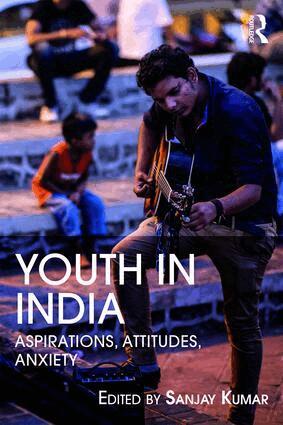
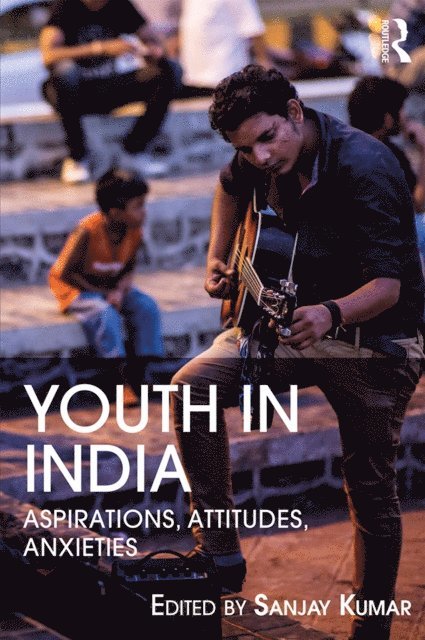
This book explores the attitudes, anxieties and aspirations of India’s burgeoning young population in a globalised world. Drawing upon time-series survey data of the Indian youth aged between 15 and 34 years across 19 Indian states, it provides key insights into a range of themes along with an overview of the changing trends and patterns of their behaviour. The volume examines the job preferences of the Indian youth, their career priorities and opinions on reservations in employment and education sectors. It measures their degree of political participation and studies their attitude regarding political issues. It looks at aspects relating to their social and cultural contexts, preferences and practices, including lifestyle choices, consumption habits and social customs such as marriage, as they negotiate between tradition and modernity. Further, it discusses the anxieties and insecurities that the youth face, their mental health and their experiences of social discrimination. The essays here offer an understanding of a critical demographic and shed light on the challenges and opportunities that the Indian youth confront today.
Lucid, accessible and empirically grounded, this volume will be useful to scholars and researchers of sociology, political sociology, political studies, youth psychology and anthropology as well as policymakers, journalists and the interested general reader.
2 110 kr
Skickas inom 11-20 vardagar
3 025 kr
Läs direkt efter köp
2 556 kr
Skickas inom 11-20 vardagar
3 259 kr
Läs direkt efter köp
1 818 kr
Skickas inom 11-20 vardagar
2 316 kr
Läs direkt efter köp
2 081 kr
Kommande
2 376 kr
Skickas inom 3-6 vardagar
2 662 kr
Skickas inom 3-6 vardagar
1 022 kr
Läs direkt efter köp
1 022 kr
Läs direkt efter köp
808 kr
Läs direkt efter köp
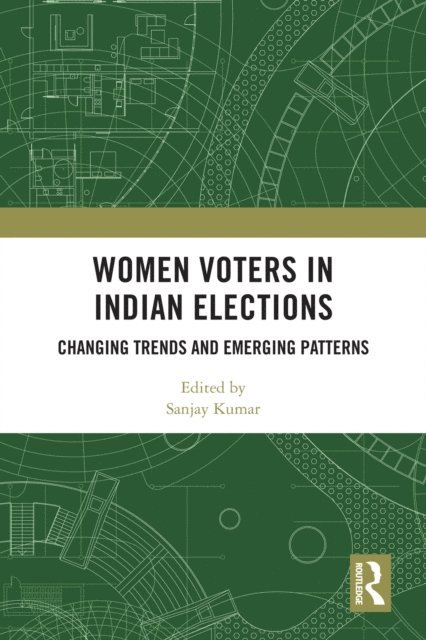
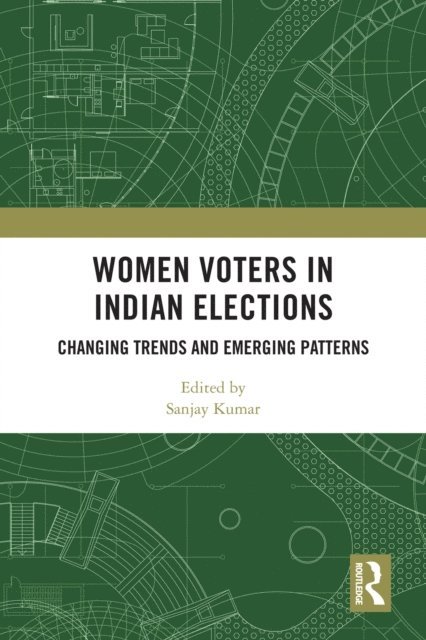
This book looks at different dimensions of political participation of women voters in India. Elections in India have witnessed an increasing electoral participation of women, both as political actors and as voters. Taking note of this positive development, the book looks at what has contributed to this increased turnout among women voters in Indian elections and discusses in detail the factors that facilitate or hinder this participation. Drawing on empirical data from 11 Indian states, it looks at key issues like the voting behaviour and political activities of Indian women; individual and motivational factors affecting participation; the political socialization of women at home; the role of internalized patriarchy and political opinions; along with the challenges faced by women in attaining representation in Indian politics.
An important contribution in the study of voting patterns, this book will be indispensable to scholars and researchers of political studies, women’s studies, gender studies, sociology, Indian politics, political sociology, voting behaviour and South Asian studies. It will also be useful for journalists and activists.
796 kr
Läs direkt efter köp
This book looks at different dimensions of political participation of women voters in India. Elections in India have witnessed an increasing electoral participation of women, both as political actors and as voters. Taking note of this positive development, the book looks at what has contributed to this increased turnout among women voters in Indian elections and discusses in detail the factors that facilitate or hinder this participation. Drawing on empirical data from 11 Indian states, it looks at key issues like the voting behaviour and political activities of Indian women; individual and motivational factors affecting participation; the political socialization of women at home; the role of internalized patriarchy and political opinions; along with the challenges faced by women in attaining representation in Indian politics.
An important contribution in the study of voting patterns, this book will be indispensable to scholars and researchers of political studies, women’s studies, gender studies, sociology, Indian politics, political sociology, voting behaviour and South Asian studies. It will also be useful for journalists and activists.
826 kr
Läs direkt efter köp
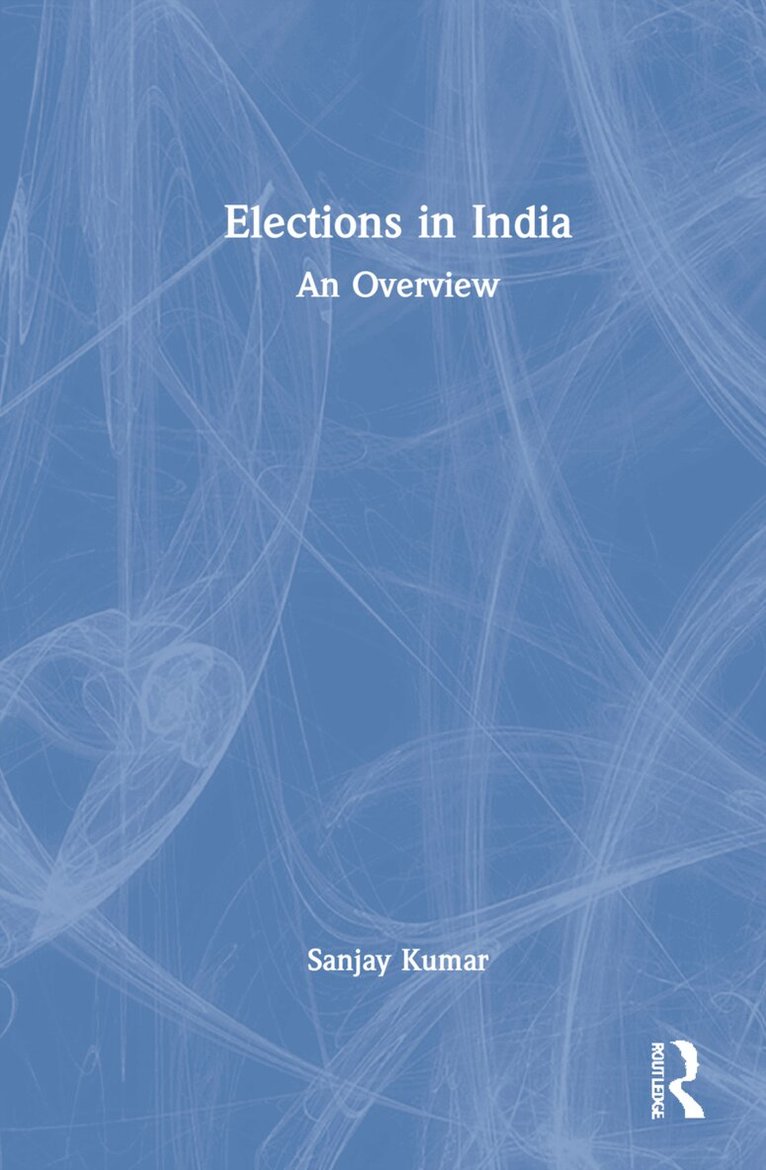
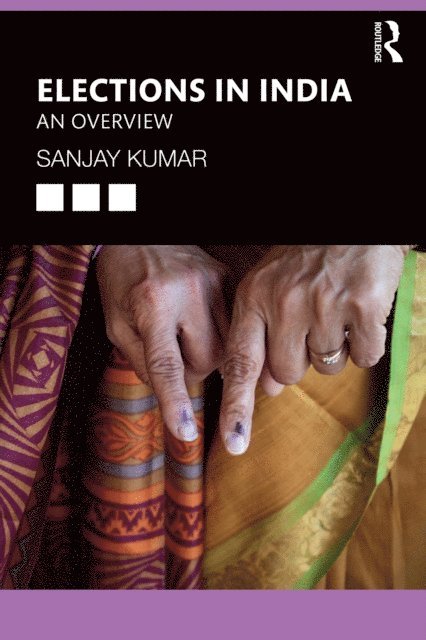
This book looks at the patterns and trends of participation in Indian elections since 1952 – the first elections held in independent India. It engages with debates around the nature of the multi-party electoral politics in India and its impact on the voting behaviour of Indian voters.
The book uses extensive empirical data from the state and national elections to analyze the history and evolution of the country’s electoral systems as well as the challenges and safeguards for conducting fair elections in the world’s largest democracy. The author explores the trends in turnout in regional and national elections and its relationship with electoral outcomes. He analyzes electoral patterns over the last seven decades as well as patterns of participation of marginalized groups, the younger population, and the narrowing gap of women’s electoral participation. The book discusses the role of money, the criminalization of electoral politics, and its influence on Indian elections. It also focuses on the issue of irregular delimitation of electoral constituencies and its implication on political representation.
Topical and comprehensive, this book will be an essential read for scholars and researchers of political studies, political sociology, public administration and governance, and South Asian studies. It will also be useful for journalists and think tanks interested in India’s electoral processes and debates. It could serve as a guidebook as well for those interested in the nitty-gritty of Indian elections.
831 kr
Läs direkt efter köp
This book looks at the patterns and trends of participation in Indian elections since 1952 – the first elections held in independent India. It engages with debates around the nature of the multi-party electoral politics in India and its impact on the voting behaviour of Indian voters.
The book uses extensive empirical data from the state and national elections to analyze the history and evolution of the country’s electoral systems as well as the challenges and safeguards for conducting fair elections in the world’s largest democracy. The author explores the trends in turnout in regional and national elections and its relationship with electoral outcomes. He analyzes electoral patterns over the last seven decades as well as patterns of participation of marginalized groups, the younger population, and the narrowing gap of women’s electoral participation. The book discusses the role of money, the criminalization of electoral politics, and its influence on Indian elections. It also focuses on the issue of irregular delimitation of electoral constituencies and its implication on political representation.
Topical and comprehensive, this book will be an essential read for scholars and researchers of political studies, political sociology, public administration and governance, and South Asian studies. It will also be useful for journalists and think tanks interested in India’s electoral processes and debates. It could serve as a guidebook as well for those interested in the nitty-gritty of Indian elections.
621 kr
Läs direkt efter köp
641 kr
Läs direkt efter köp