A study of the affects and effects of Russian narratives and their global dissemination. Disinformation, conspiracy narratives, and propaganda are not only manipulative forms of communication with the intention to deceive, but also a field of global collective narratives. Russia is an important player in this field. From the Cold War to the present day, we can observe how (pro-)Russian narratives are regionally tailored, internationally disseminated, and appropriated by various political, economic, or cultural actors for their own purposes.While some narratives might originate from literary fantasy, science fiction, or national myths, others draw on historical narratives and reproduce them. Russia often claims an anti-imperialist, anti-fascist, or postcolonial intention in order to conceal its own imperialism and fascism.The contributions in this book document these narratives in their respective geographical and historical contexts. They examine narrative practices and their history, the interplay of global address, and local appropriation as well as affects and effects within political discourse.
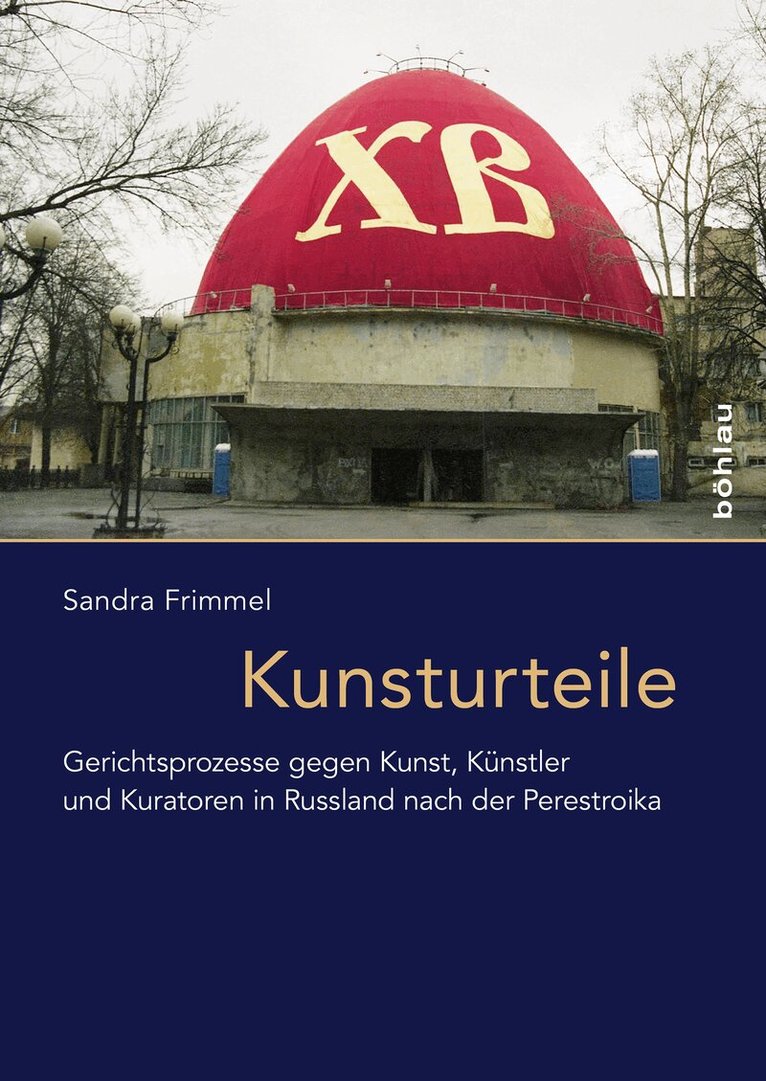
Seit der Jahrtausendwende werden in Russland außergewöhnlich viele Gerichtsprozesse gegen Kunst, Künstler und Kuratoren geführt. Am Beispiel der beiden größten Prozesse gegen die Organisatoren der Ausstellungen „Achtung, Religion!“ und „Verbotene Kunst 2006“ befasst sich die Autorin mit dem Aushandeln der Bedeutung von Kunst(werken) und mit ihrer gesellschaftspolitischen Wirkung im Kontext des Gerichts. Im Fokus steht die Frage, mit welchen Mitteln durch die Prozesse versucht wird, einen normativen Kunstbegriff nicht nur argumentativ zu verhandeln, sondern auch dauerhaft und rechtlich verbindlich zu fixieren. Wie wird diskutiert, was die Kunst in Russland heute soll, darf und kann? Wie wirkt die Kunst? Und wo liegen die Grenzen der Kunstfreiheit?