716 kr
Skickas inom 10-15 vardagar
716 kr
Skickas inom 10-15 vardagar
648 kr
Skickas inom 10-15 vardagar
637 kr
Skickas inom 10-15 vardagar
499 kr
Skickas inom 10-15 vardagar
699 kr
Skickas inom 10-15 vardagar
843 kr
Skickas inom 7-10 vardagar
817 kr
Läs direkt efter köp
811 kr
Läs direkt efter köp
793 kr
Läs direkt efter köp
In this powerful and wide-ranging study, Sander Gilman explores the idea of ''the multicultural'' in the contemporary world, a question he frames as the question of the relationship between Jews and Muslims. How do Jews define themselves, and how are they in turn defined, within the global struggles of the moment, struggles that turn in large part around a secularized Christian perspective?
Gilman uses his subject to unpack a sequence of important issues: what does it mean to be multicultural? Can the experience of diaspora Judaism serve as a useful model for Islam in today''s multicultural Europe? What is a multicultural ethnic? Other chapters look at specific figures in Jewish cultural history – Albert Einstein, Franz Kafka, Israel Zangwill, Philip Roth, the hermaphrodite N.O. Body (aka Karl Baer, raised as Martha Baer) – to explore issues within Jewish identity. Throughout, Gilman pays keen attention to the ways in which contemporary literature – Chabon, Ozick, Zadie Smith, Jonathan Safran Foer, Gary Shteyngart – taking the idea of Jewishness and multiculturalism into new arenas.
817 kr
Läs direkt efter köp
In this powerful and wide-ranging study, Sander Gilman explores the idea of ''the multicultural'' in the contemporary world, a question he frames as the question of the relationship between Jews and Muslims. How do Jews define themselves, and how are they in turn defined, within the global struggles of the moment, struggles that turn in large part around a secularized Christian perspective?
Gilman uses his subject to unpack a sequence of important issues: what does it mean to be multicultural? Can the experience of diaspora Judaism serve as a useful model for Islam in today''s multicultural Europe? What is a multicultural ethnic? Other chapters look at specific figures in Jewish cultural history – Albert Einstein, Franz Kafka, Israel Zangwill, Philip Roth, the hermaphrodite N.O. Body (aka Karl Baer, raised as Martha Baer) – to explore issues within Jewish identity. Throughout, Gilman pays keen attention to the ways in which contemporary literature – Chabon, Ozick, Zadie Smith, Jonathan Safran Foer, Gary Shteyngart – taking the idea of Jewishness and multiculturalism into new arenas.
3 129 kr
Skickas inom 10-15 vardagar
2 564 kr
Skickas inom 10-15 vardagar
909 kr
Läs direkt efter köp
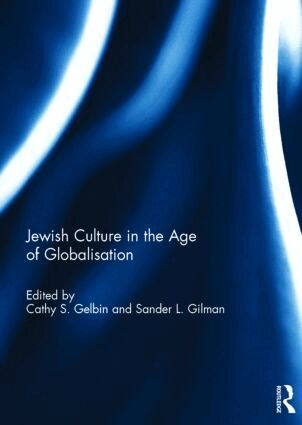
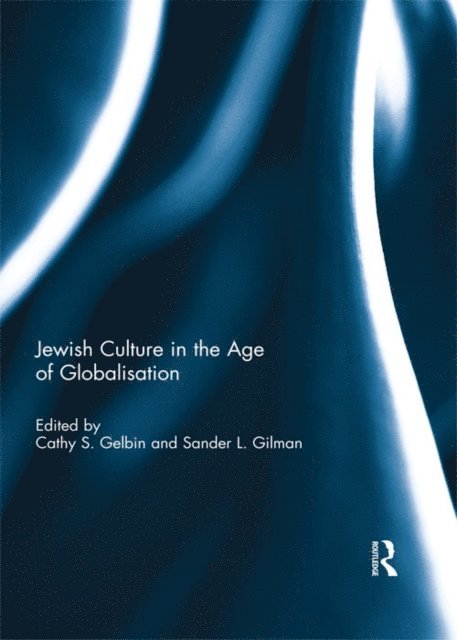
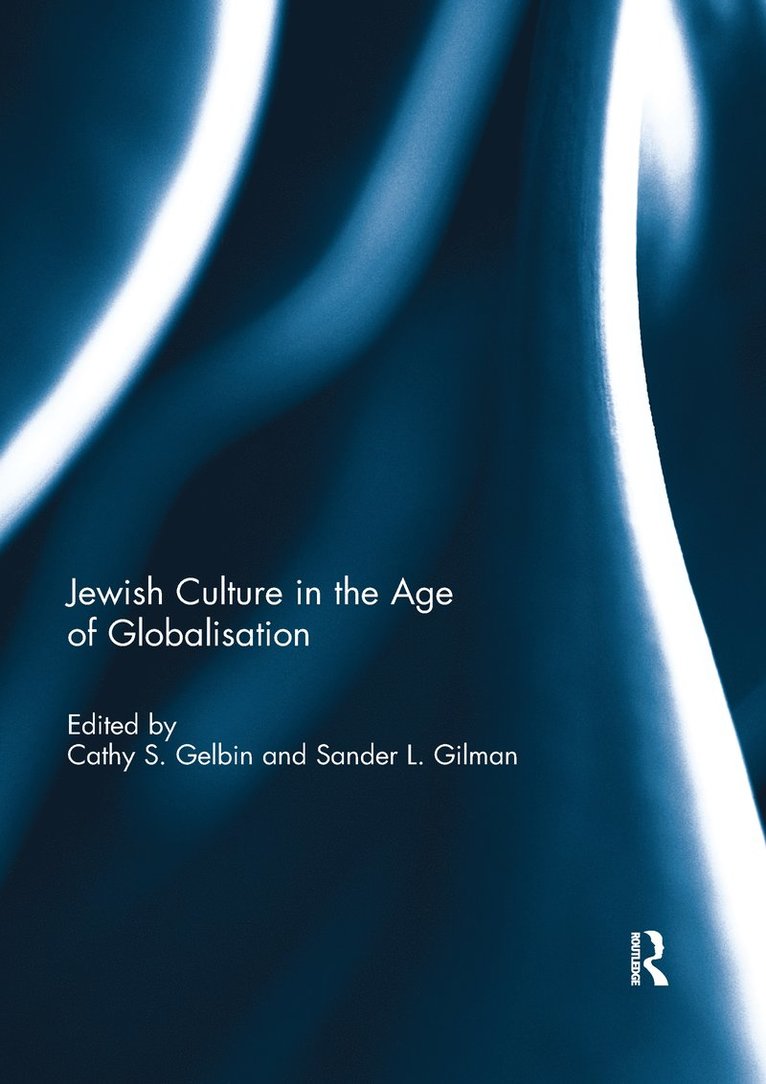
This interdisciplinary anthology explores the impact of current globalization processes on Jewish communities across the globe. The volume explores the extent to which nationalized constructs of Jewish culture and identity still dominate Jewish self-expressions, as well as the discourses about them, in the rapidly globalizing world of the twenty-first century. Its contributions address the ways in which Jewishness is now understood as transcending the old boundaries and ideologies of nation states and their continental reconfigurations, such as Europe or North America, but also as crossing the divides of Ashkenazi, Sephardi and Mizrahi Jews, as well as the confines of Israel and the Diaspora. Which new paradigms of Jewish self- location within the evolving and conflicting global discourses about the nation, race, the Holocaust and other genocides, anti-Semitism, colonialism and postcolonialism, gender and sexual identities open up in the current era of globalisation, and to what extent might transnational notions of Jewishness, such as European-Jewish identity, create new discursive margins and centers? Chapters explore the impact of the Arab-Israeli conflict on cross-cultural relations between Jews and other racialized groups in the Diaspora, and discuss the ways in which recent discourses such as postcolonialism and transnationalism might relate to global Jewish cultures. The intent of the volume is to begin a process of investigation into twenty-first century Jewish identity.
This book was originally published as a special issue of the European Review of History.

930 kr
Läs direkt efter köp
This interdisciplinary anthology explores the impact of current globalization processes on Jewish communities across the globe. The volume explores the extent to which nationalized constructs of Jewish culture and identity still dominate Jewish self-expressions, as well as the discourses about them, in the rapidly globalizing world of the twenty-first century. Its contributions address the ways in which Jewishness is now understood as transcending the old boundaries and ideologies of nation states and their continental reconfigurations, such as Europe or North America, but also as crossing the divides of Ashkenazi, Sephardi and Mizrahi Jews, as well as the confines of Israel and the Diaspora. Which new paradigms of Jewish self- location within the evolving and conflicting global discourses about the nation, race, the Holocaust and other genocides, anti-Semitism, colonialism and postcolonialism, gender and sexual identities open up in the current era of globalisation, and to what extent might transnational notions of Jewishness, such as European-Jewish identity, create new discursive margins and centers? Chapters explore the impact of the Arab-Israeli conflict on cross-cultural relations between Jews and other racialized groups in the Diaspora, and discuss the ways in which recent discourses such as postcolonialism and transnationalism might relate to global Jewish cultures. The intent of the volume is to begin a process of investigation into twenty-first century Jewish identity.
This book was originally published as a special issue of the European Review of History.

319 kr
Skickas
1 515 kr
Skickas inom 7-10 vardagar
675 kr
Tillfälligt slut