Islamisms: Navigations between the Nation-State and the Caliphate moves beyond viewing Islamism within the security/terrorism narrative by viewing Islamisms as various forms of postcolonial resistance to Westphalian models of governance, authority, and territorialisations. Islamist movements are in various ways denationalising key elements of the nation-state, including nation-state sovereignty, national solidarities, and legitimate violence. Islamist movements are constructing alternative geographies that are transforming the territoriality of the nation-state.Examining a wide range of Islamist movements such as the Muslim Brothers, Hamas, Hizbullah, Boko Haram, al-Qaeda and the Islamic State group (IS), the author advocates that in many instances an imperial framework, rather than the assumed nation-state model, is a more appropriate tool in analysing the motivations and strategies of Islamist movements, contending that the nation-state is just one paradigm for analysis. The book demonstrates the case for both nation-state and religious/historic understandings of political geographies to be considered simultaneously with regard to Islamism(s).This book is multidisciplinary, and will be relevant to students and scholars of religious studies, Islamic theology, history, politics of memory, post-colonial perspectives, sociology, political geography, and political anthropology. It will also interest policymakers wishing to broaden their understanding of political Islam.

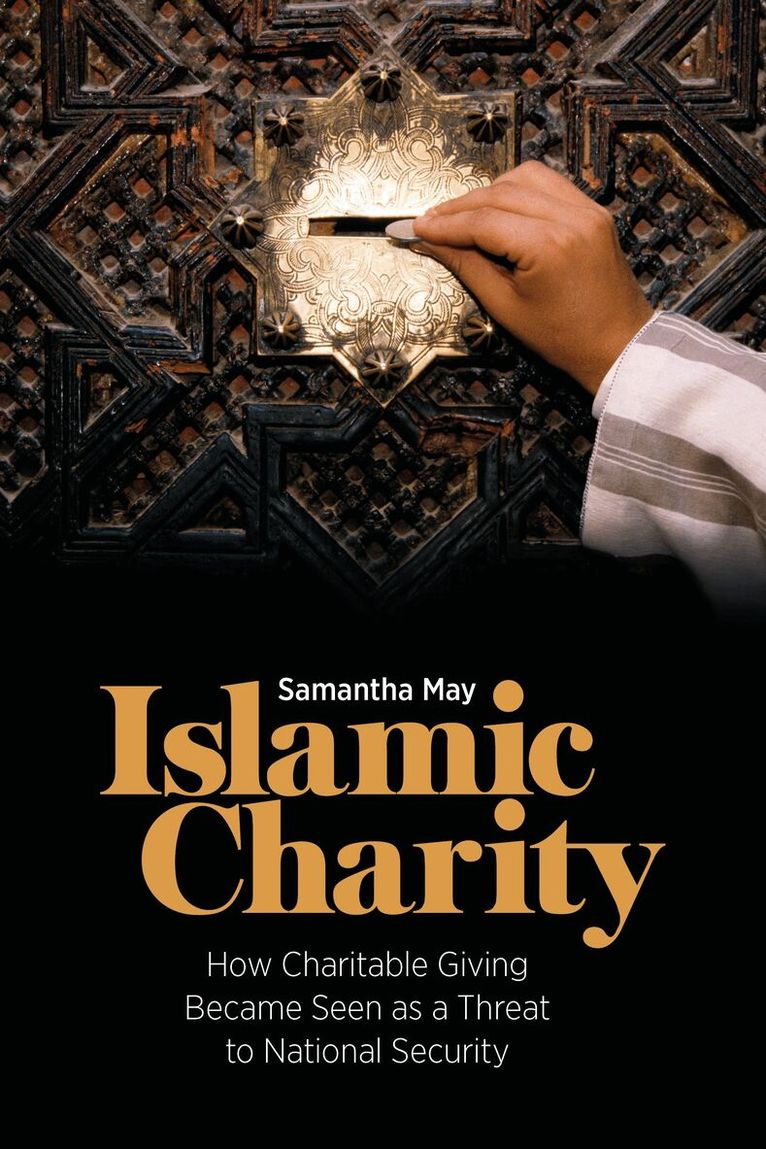
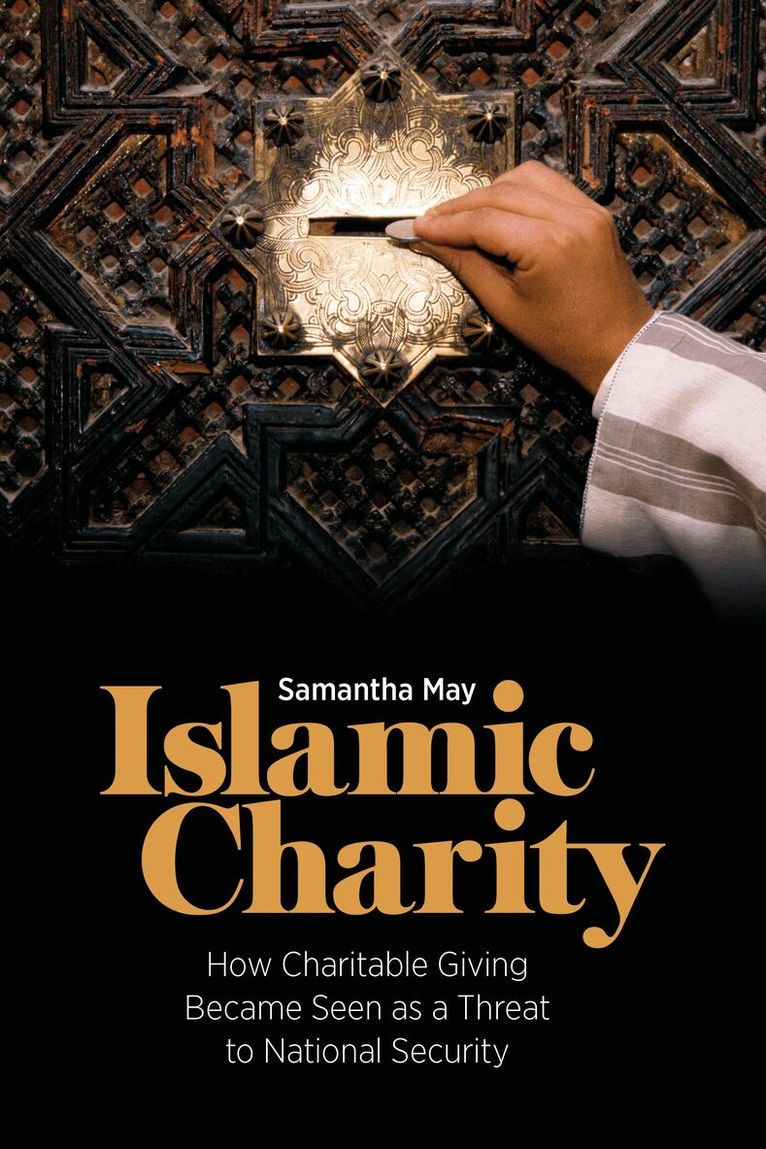
Since 9/11 and the global War on Terror, practitioners of Islam in Europe and beyond have been scrutinised and surveyed under suspicion of disloyalty and as potential disrupters of national social cohesion. Seemingly benign, altruistic practices, such as charity, are viewed as potential threats to national security and have increasingly become subject to counter-terrorism policies. This work seeks to critically assess the assumptions behind the lesser-known financial War on Terror, through exploration of the effects of current policies on Muslim charitable practices in the UK. The consequences of current policies are multi-faceted – from the stigmatization and suspicion of Muslim charities and communities, individual loss of status and financial standing, to a decrease of living standards and/or loss of lives. Engaging with the everyday socio-political activities of Muslim individuals, this book gives voice to the motivations, apprehensions and challenges faced by Muslim charitable practitioners. A must read for anyone wanting to challenge policy assumptions behind increased surveillance of charities and individual donors, whilst outlining the repercussions of current policies on Muslim individuals and charities.