
Häftad, Engelska, 2006
387 kr
Skickas inom 3-6 vardagar
387 kr
Skickas inom 3-6 vardagar
243 kr
Skickas inom 7-10 vardagar
294 kr
Skickas inom 7-10 vardagar
a Three-Volume Set
332 kr
Skickas inom 7-10 vardagar
487 kr
Skickas inom 7-10 vardagar
254 kr
Skickas inom 7-10 vardagar
614 kr
Skickas inom 3-6 vardagar

312 kr
Skickas inom 7-10 vardagar
430 kr
Skickas inom 3-6 vardagar
294 kr
Skickas inom 7-10 vardagar
150 kr
Skickas inom 7-10 vardagar
481 kr
Skickas inom 3-6 vardagar

508 kr
Skickas inom 3-6 vardagar
470 kr
Skickas inom 3-6 vardagar
470 kr
Skickas inom 7-10 vardagar
471 kr
Skickas inom 7-10 vardagar
199 kr
Skickas inom 7-10 vardagar
209 kr
Skickas inom 7-10 vardagar
214 kr
Skickas inom 7-10 vardagar
338 kr
Skickas inom 7-10 vardagar
45 kr
Läs direkt efter köp
Augustine was born in the year 354 AD in the municipium of Thagaste, now in present day Algeria, but then the Roman province of Numidia. Accounts agree that the family was of Berger stock although they spoke Latin at home and were imbued with the Roman system and way of life.
At the age of 11, Augustine was sent to school at Madaurus, a small Numidian city about 31 km from Thagaste and at 17 he moved to Carthage to continue his education in rhetoric.
It was in Carthage that he read Cicero''s ‘Hortensius’ which was to leave a lasting impression. Although raised by his Mother as a Christian he now left the church to follow the very popular Manichaean religion.
Augustine taught grammar at Thagaste during 373 and 374. The following year he moved to a school of rhetoric in Carthage and remained there for nine years.
He was successful in obtaining, at the Imperial court at Milan, the job of rhetoric professor. He moved to Milan in late 384 and was now, at age 30, in the most visible academic position in the Latin world. He now also began to pivot to the Christian faith at the urging and guidance of his new friend; Ambrose of Milan.
In late the August of 386, Augustine converted to Christianity.
Augustine was ordained a priest in 391 at Hippo Regius, in Algeria. His fame as a preacher was widespread and incredibly 350 of his sermons have survived, all of which are believed to be authentic.
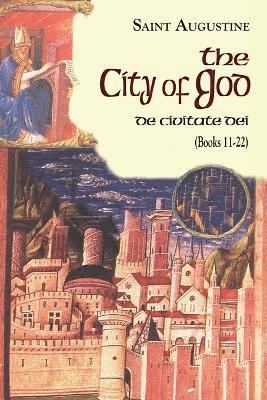
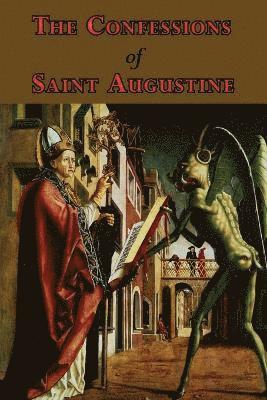
In 395, he was made co-adjutor Bishop of Hippo, gaining the full title of Bishop shortly afterwards, hence the name ‘Augustine of Hippo’. He wrote his autobiographical ‘Confessions’ in 397–398. His work ‘The City of God’ was written to console his fellow Christians in the wake of the Visigoths sacking Rome in 410.
In 429, the Vandals, a Germanic tribe, invaded Roman Africa. They besieged Hippo in the spring of 430, where Augustine’s health was now in terminal decline. He died on 28th August 430.
45 kr
Läs direkt efter köp
Augustine was born in the year 354 AD in the municipium of Thagaste, now in present day Algeria, but then the Roman province of Numidia. Accounts agree that the family was of Berger stock although they spoke Latin at home and were imbued with the Roman system and way of life.
At the age of 11, Augustine was sent to school at Madaurus, a small Numidian city about 31 km from Thagaste and at 17 he moved to Carthage to continue his education in rhetoric.
It was in Carthage that he read Cicero''s ‘Hortensius’ which was to leave a lasting impression. Although raised by his Mother as a Christian he now left the church to follow the very popular Manichaean religion.
Augustine taught grammar at Thagaste during 373 and 374. The following year he moved to a school of rhetoric in Carthage and remained there for nine years.
He was successful in obtaining, at the Imperial court at Milan, the job of rhetoric professor. He moved to Milan in late 384 and was now, at age 30, in the most visible academic position in the Latin world. He now also began to pivot to the Christian faith at the urging and guidance of his new friend; Ambrose of Milan.
In late the August of 386, Augustine converted to Christianity.
Augustine was ordained a priest in 391 at Hippo Regius, in Algeria. His fame as a preacher was widespread and incredibly 350 of his sermons have survived, all of which are believed to be authentic.
In 395, he was made co-adjutor Bishop of Hippo, gaining the full title of Bishop shortly afterwards, hence the name ‘Augustine of Hippo’. He wrote his autobiographical ‘Confessions’ in 397–398. His work ‘The City of God’ was written to console his fellow Christians in the wake of the Visigoths sacking Rome in 410.
In 429, the Vandals, a Germanic tribe, invaded Roman Africa. They besieged Hippo in the spring of 430, where Augustine’s health was now in terminal decline. He died on 28th August 430.
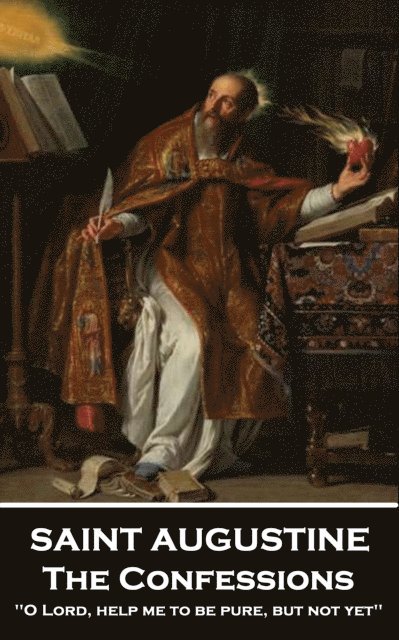
45 kr
Läs direkt efter köp
Augustine was born in the year 354 AD in the municipium of Thagaste, now in present day Algeria, but then the Roman province of Numidia. Accounts agree that the family was of Berger stock although they spoke Latin at home and were imbued with the Roman system and way of life.
At the age of 11, Augustine was sent to school at Madaurus, a small Numidian city about 31 km from Thagaste and at 17 he moved to Carthage to continue his education in rhetoric.
It was in Carthage that he read Cicero''s ‘Hortensius’ which was to leave a lasting impression. Although raised by his Mother as a Christian he now left the church to follow the very popular Manichaean religion.
Augustine taught grammar at Thagaste during 373 and 374. The following year he moved to a school of rhetoric in Carthage and remained there for nine years.
He was successful in obtaining, at the Imperial court at Milan, the job of rhetoric professor. He moved to Milan in late 384 and was now, at age 30, in the most visible academic position in the Latin world. He now also began to pivot to the Christian faith at the urging and guidance of his new friend; Ambrose of Milan.
In late the August of 386, Augustine converted to Christianity.
Augustine was ordained a priest in 391 at Hippo Regius, in Algeria. His fame as a preacher was widespread and incredibly 350 of his sermons have survived, all of which are believed to be authentic.
In 395, he was made co-adjutor Bishop of Hippo, gaining the full title of Bishop shortly afterwards, hence the name ‘Augustine of Hippo’. He wrote his autobiographical ‘Confessions’ in 397–398. His work ‘The City of God’ was written to console his fellow Christians in the wake of the Visigoths sacking Rome in 410.
In 429, the Vandals, a Germanic tribe, invaded Roman Africa. They besieged Hippo in the spring of 430, where Augustine’s health was now in terminal decline. He died on 28th August 430.
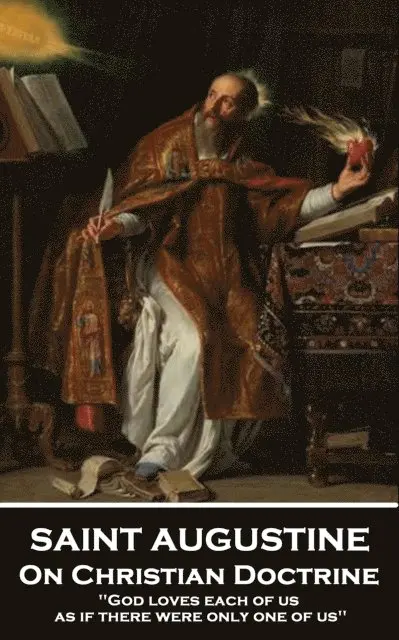
45 kr
Läs direkt efter köp
Augustine was born in the year 354 AD in the municipium of Thagaste, now in present day Algeria, but then the Roman province of Numidia. Accounts agree that the family was of Berger stock although they spoke Latin at home and were imbued with the Roman system and way of life.
At the age of 11, Augustine was sent to school at Madaurus, a small Numidian city about 31 km from Thagaste and at 17 he moved to Carthage to continue his education in rhetoric.
It was in Carthage that he read Cicero''s ‘Hortensius’ which was to leave a lasting impression. Although raised by his Mother as a Christian he now left the church to follow the very popular Manichaean religion.
Augustine taught grammar at Thagaste during 373 and 374. The following year he moved to a school of rhetoric in Carthage and remained there for nine years.
He was successful in obtaining, at the Imperial court at Milan, the job of rhetoric professor. He moved to Milan in late 384 and was now, at age 30, in the most visible academic position in the Latin world. He now also began to pivot to the Christian faith at the urging and guidance of his new friend; Ambrose of Milan.
In late the August of 386, Augustine converted to Christianity.
Augustine was ordained a priest in 391 at Hippo Regius, in Algeria. His fame as a preacher was widespread and incredibly 350 of his sermons have survived, all of which are believed to be authentic.
In 395, he was made co-adjutor Bishop of Hippo, gaining the full title of Bishop shortly afterwards, hence the name ‘Augustine of Hippo’. He wrote his autobiographical ‘Confessions’ in 397–398. His work ‘The City of God’ was written to console his fellow Christians in the wake of the Visigoths sacking Rome in 410.
In 429, the Vandals, a Germanic tribe, invaded Roman Africa. They besieged Hippo in the spring of 430, where Augustine’s health was now in terminal decline. He died on 28th August 430.
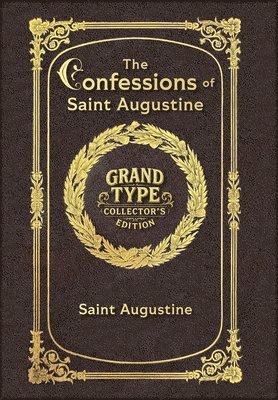
707 kr
Skickas inom 7-10 vardagar

236 kr
Skickas inom 7-10 vardagar
343 kr
Skickas inom 7-10 vardagar
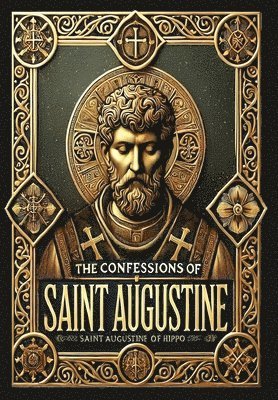
535 kr
Skickas inom 7-10 vardagar
196 kr
Skickas inom 7-10 vardagar
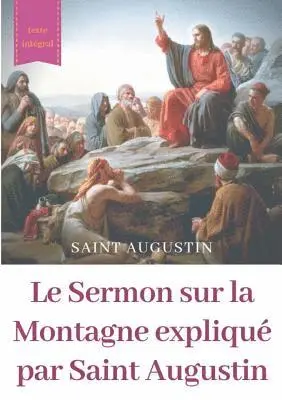
270 kr
Skickas inom 7-10 vardagar