558 kr
Skickas inom 10-15 vardagar
558 kr
Skickas inom 10-15 vardagar
608 kr
Skickas inom 5-8 vardagar
1 997 kr
Skickas inom 10-15 vardagar
526 kr
Skickas inom 10-15 vardagar
1 826 kr
Skickas inom 10-15 vardagar
570 kr
Läs direkt efter köp
608 kr
Läs direkt efter köp
798 kr
Skickas inom 10-15 vardagar
2 515 kr
Skickas inom 10-15 vardagar
935 kr
Läs direkt efter köp
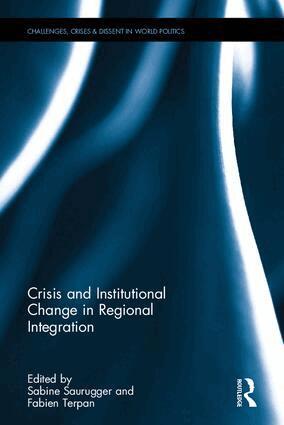
Comparative regional integration has met with increasing interest over the last twenty years with the emergence or reinforcing of new regional dynamics in the EU, NAFTA, MERCOSUR and ASEAN.
This volume systematically and comparatively analyses the reasons for regional integration and stalemate in European, Latin American and Asian regional integration. It examines whether regional integration systems change in crisis periods, or more precisely in periods of economic crises, and why they change in different directions. Based on a neo-institutionalist research framework and rigorously comparative research design, the individual chapters analyse why financial and economic crises lead to more or less integrated systems and which factors lead to these institutional changes. Specifically it addresses institutional change in regional integration schemes, power relations between member states and the institutions in different policy domains, and change in individual or collective citizens’ attitudes towards regional integration. Adopting an actor-centred approach, the book highlights which regional integration schemes are influenced by economic and financial crises and how to explain this.
This text will be of key interest to scholars, students and policy specialists in regional integration, European Politics, International Relations, and Latin American and Asian studies.

935 kr
Läs direkt efter köp
Comparative regional integration has met with increasing interest over the last twenty years with the emergence or reinforcing of new regional dynamics in the EU, NAFTA, MERCOSUR and ASEAN.
This volume systematically and comparatively analyses the reasons for regional integration and stalemate in European, Latin American and Asian regional integration. It examines whether regional integration systems change in crisis periods, or more precisely in periods of economic crises, and why they change in different directions. Based on a neo-institutionalist research framework and rigorously comparative research design, the individual chapters analyse why financial and economic crises lead to more or less integrated systems and which factors lead to these institutional changes. Specifically it addresses institutional change in regional integration schemes, power relations between member states and the institutions in different policy domains, and change in individual or collective citizens’ attitudes towards regional integration. Adopting an actor-centred approach, the book highlights which regional integration schemes are influenced by economic and financial crises and how to explain this.
This text will be of key interest to scholars, students and policy specialists in regional integration, European Politics, International Relations, and Latin American and Asian studies.
1 203 kr
Skickas inom 10-15 vardagar
1 611 kr
Läs direkt efter köp
1 203 kr
Skickas inom 10-15 vardagar