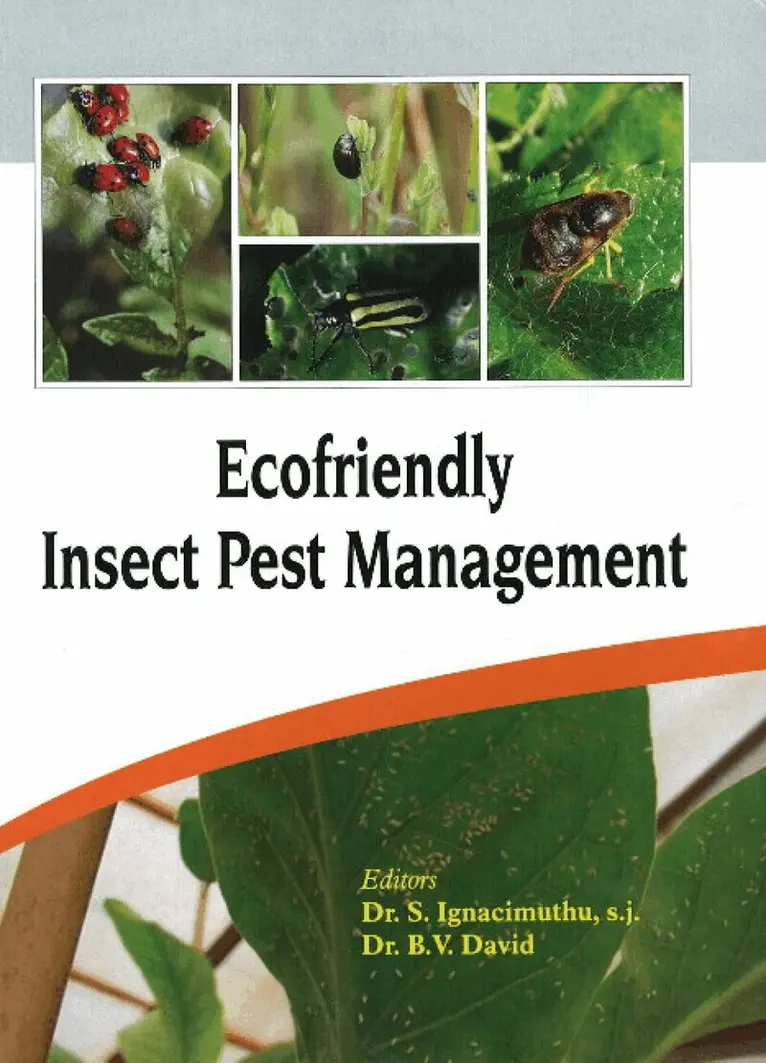
The farmers in developing countries are now renewing interest I approaches such as biological control, biopesticides and cultural practices to control insect pests. However, these non-chemical methods are not popularised among farmers in developing countries. These eco-friendly methods will play an important role in pest management in future, since they will bring about sustainable development. A Systematic approach is required to develop and adapt the eco-friendly programmes for many crops and for today's production practices. This book deals with topics in the following areas: IPM General Aspects; Entomopathogens; Microbial Pesticides; Entomophages; Biological Control; Botanical Pesticides; Cultural Control Measures; Vector Control; Genetic Techniques; Attractants and Repellents.
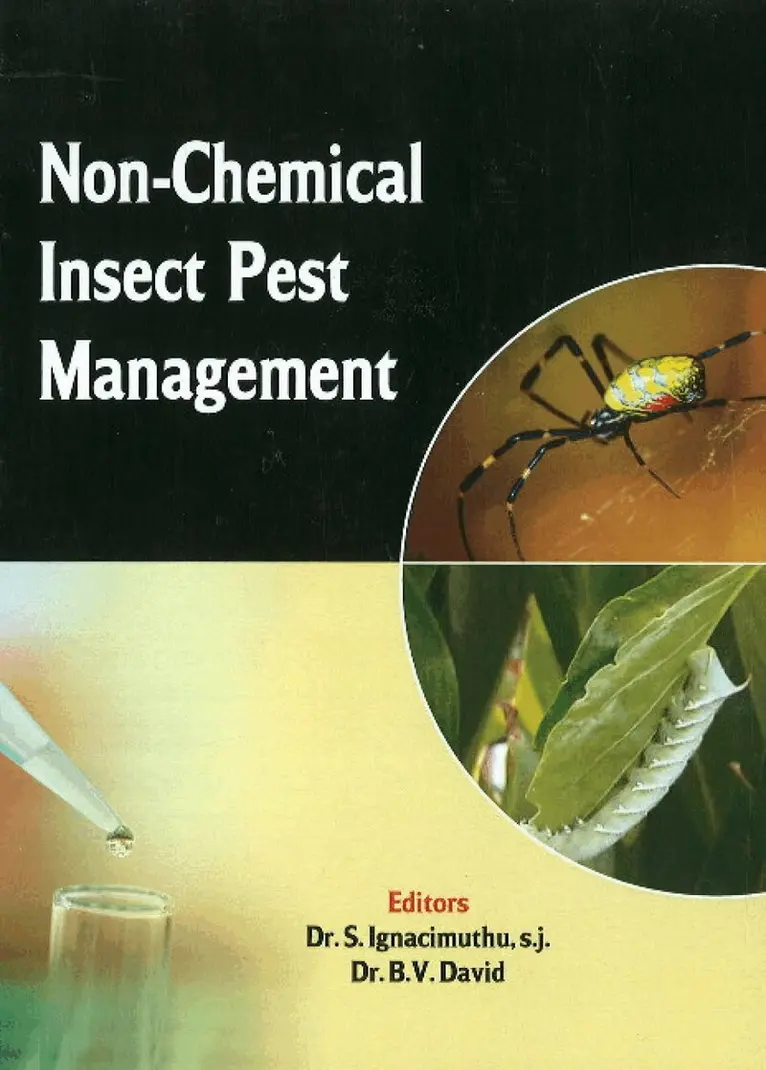
The intense application of chemicals in different crops has created many complications among which the development of resistance to pesticides in insects is an important one. Secondary pest outbreak an pest resurgence are also caused by synthetic pesticides. These problems and the resulting public awareness prompted the ecologists and scientists to invent alternate methods of pest management in an ecofriendly way. At present an awareness has crept in the minds of farmers on organic agriculture and the importance of non-chemical pest management methods. Botanical pesticides, microbial pesticides, biological control, cultural control and Traditional Pest Management (TPM) are the important postulates on which we have to address seriously and objectively. These non chemical pest control agents play a vital role in pest management strategies since these are target specific and will not harm the non-target organisms and environment. This book focuses on the following areas: plant-based pesticides, microbial pesticides, biological control agents, cultural control and transgenics, pheromones, attractants and repellents.