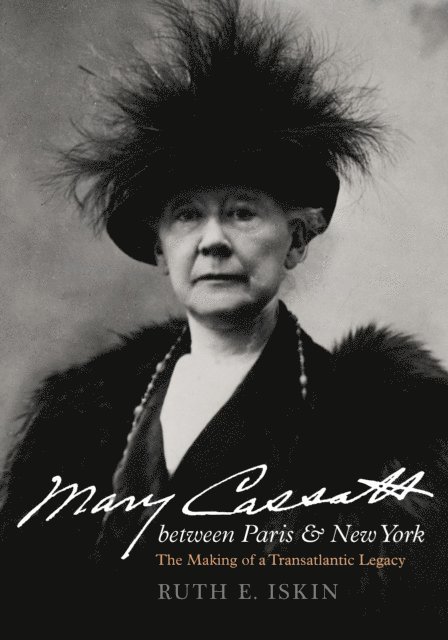
"You’ll never look at Cassatt the same way again."—A Hyperallergic Favorite Art Book of 2025"An authoritative, beautifully illustrated study."—Kirkus ReviewsFinalist for the Marfield Book PrizeThe first comprehensive study of Cassatt’s life, work, and legacy through the prism of a transatlantic framework. This book re-envisions Mary Cassatt in the context of her transatlantic network, friendships, exhibitions, politics, and legacy. Rather than defining her as either an American artist or a French impressionist, author Ruth E. Iskin argues that we can best understand Cassatt through the complexity of her multiple identifications as an American patriot, a committed French impressionist, and a suffragist. Contextualizing Cassatt’s feminist outlook within the intense pro- and anti-suffrage debates in the United States, Iskin shows how these impacted her artistic representations of motherhood, fatherhood, and older women. Mary Cassatt between Paris and New York also argues for the historical importance of her work as an advisor to American collectors, and demonstrates the role of museums in shaping her legacy, highlighting the combined impact of gender, national, and transnational dynamics.
"An authoritative, beautifully illustrated study."—Kirkus ReviewsThe first comprehensive study of Cassatt’s life, work, and legacy through the prism of a transatlantic framework. This book re-envisions Mary Cassatt in the context of her transatlantic network, friendships, exhibitions, politics, and legacy. Rather than defining her as either an American artist or a French impressionist, author Ruth E. Iskin argues that we can best understand Cassatt through the complexity of her multiple identifications as an American patriot, a committed French impressionist, and a suffragist. Contextualizing Cassatt’s feminist outlook within the intense pro- and anti-suffrage debates in the United States, Iskin shows how these impacted her artistic representations of motherhood, fatherhood, and older women. Mary Cassatt between Paris and New York also argues for the historical importance of her work as an advisor to American collectors, and demonstrates the role of museums in shaping her legacy, highlighting the combined impact of gender, national, and transnational dynamics.
Why did collectors seek out posters and collect ephemera during the late-nineteenth and the twentieth centuries? How have such materials been integrated into institutional collections today? What inspired collectors to build significant holdings of works from cultures other than their own? And what are the issues facing curators and collectors of digital ephemera today? These are among the questions tackled in this volume—the first to examine the practices of collecting prints, posters, and ephemera during the modern and contemporary periods. A wide range of case studies feature collections of printed materials from the United States, Latin America, France, Germany, Great Britain, China, Japan, Russia, Iran, and Cuba. Fourteen essays and one roundtable discussion, all specially commissioned from art historians, curators, and collectors for this volume, explore key issues such as the roles of class, politics, and gender, and address historical contexts, social roles, value, and national and transnational aspects of collecting practices. The global scope highlights cross-cultural connections and contributes to a new understanding of the place of prints, posters and ephemera within an increasingly international art world.
Why did collectors seek out posters and collect ephemera during the late-nineteenth and the twentieth centuries? How have such materials been integrated into institutional collections today? What inspired collectors to build significant holdings of works from cultures other than their own? And what are the issues facing curators and collectors of digital ephemera today? These are among the questions tackled in this volume-the first to examine the practices of collecting prints, posters, and ephemera during the modern and contemporary periods. A wide range of case studies feature collections of printed materials from the United States, Latin America, France, Germany, Great Britain, China, Japan, Russia, Iran, and Cuba. Fourteen essays and one roundtable discussion, all specially commissioned from art historians, curators, and collectors for this volume, explore key issues such as the roles of class, politics, and gender, and address historical contexts, social roles, value, and national and transnational aspects of collecting practices. The global scope highlights cross-cultural connections and contributes to a new understanding of the place of prints, posters and ephemera within an increasingly international art world.
Why did collectors seek out posters and collect ephemera during the late-nineteenth and the twentieth centuries? How have such materials been integrated into institutional collections today? What inspired collectors to build significant holdings of works from cultures other than their own? And what are the issues facing curators and collectors of digital ephemera today? These are among the questions tackled in this volume—the first to examine the practices of collecting prints, posters, and ephemera during the modern and contemporary periods. A wide range of case studies feature collections of printed materials from the United States, Latin America, France, Germany, Great Britain, China, Japan, Russia, Iran, and Cuba. Fourteen essays and one roundtable discussion, all specially commissioned from art historians, curators, and collectors for this volume, explore key issues such as the roles of class, politics, and gender, and address historical contexts, social roles, value, and national and transnational aspects of collecting practices. The global scope highlights cross-cultural connections and contributes to a new understanding of the place of prints, posters and ephemera within an increasingly international art world.
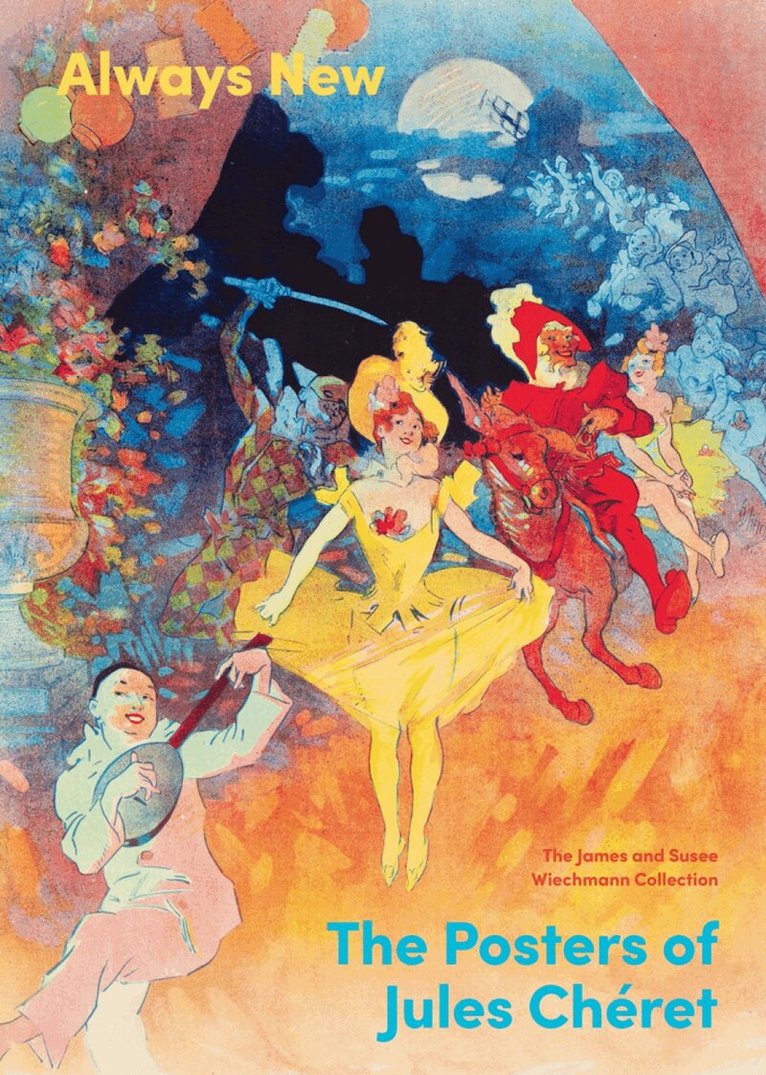
Always New highlights the work of Jules Chéret, an artist known as the father of the poster who brought colourful and vibrant ephemera to the streets of nineteenth-century Paris.