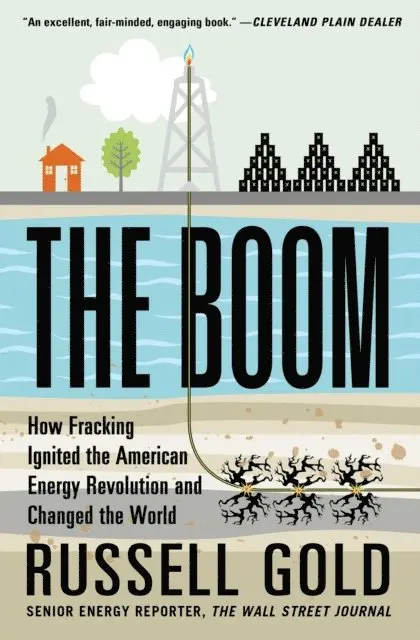
The “best all-around book yet on fracking” (San Francisco Chronicle) from a Pulitzer Prize finalist: “Gold''s work is a tour de force of contemporary journalism” (Booklist).First invented in 1947, hydraulic fracturing, or fracking, has not only become a major source of energy, it is changing the way we use energy, and the energy we use. It is both a threat and a godsend for the environment, and it is leading the revival of manufacturing in the United States. A definitive narrative history, The Boom follows the twists and turns in the development and adoption of this radical technology. It is a thrilling journey filled with colorful characters: the green-minded Texas oilman who created the first modern frack; a bare-knuckled Oklahoman natural gas empire-builder who gave the world an enormous new supply of energy and was brought down by his own success and excesses; an environmental leader whose embrace of fracking brought an end to his public career; and an aging fracking pioneer who is now trying to save the industry from itself. A fascinating and exciting exploration of one of the most controversial and promising sources of energy, The Boom “brings new clarity to a subject awash in hype from all sides…a thoughtful, well-written, and carefully researched book that provides the best overview yet of the pros and cons of fracking. Gold quietly leads both supporters and critics of drilling to consider other views” (Associated Press).
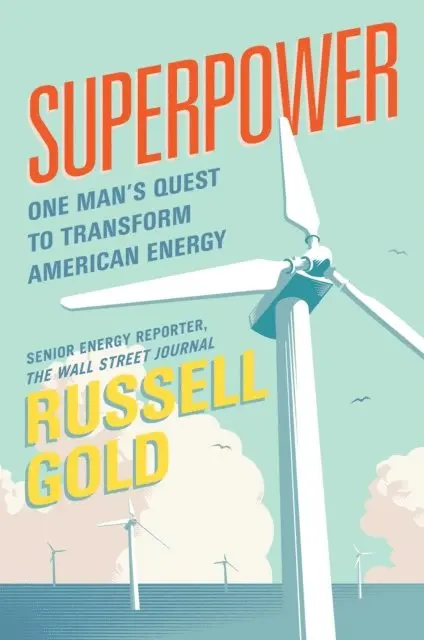
Meet Michael Skelly, the man boldly harnessing wind energy that could power America’s future and break its fossil fuel dependence in this “essential, compelling look into the future of the nation’s power grid” (Bryan Burrough, author of The Big Rich). The United States is in the midst of an energy transition. We have fallen out of love with dirty fossil fuels and want to embrace renewable energy sources like wind and solar. A transition from a North American power grid that is powered mostly by fossil fuels to one that is predominantly clean is feasible, but it would require a massive building spree—wind turbines, solar panels, wires, and billions of dollars would be needed. Enter Michael Skelly, an infrastructure builder who began working on wind energy in 2000 when many considered the industry a joke. Eight years later, Skelly helped build the second largest wind power company in the United States—and sold it for $2 billion. Wind energy was no longer funny—it was well on its way to powering more than 6% of electricity in the United States. Award-winning journalist, Russel Gold tells Skelly’s story, which in many ways is the story of our nation’s evolving relationship with renewable energy. Gold illustrates how Skelly’s company, Clean Line Energy, conceived the idea for a new power grid that would allow sunlight where abundant to light up homes in the cloudy states thousands of miles away, and take wind from the Great Plains to keep air conditioners running in Atlanta. Thrilling, provocative, and important, Superpower is a fascinating look at America’s future.
Meet Michael Skelly, the man boldly harnessing wind energy that could power America’s future and break its fossil fuel dependence in this “essential, compelling look into the future of the nation’s power grid” (Bryan Burrough, author of The Big Rich). The United States is in the midst of an energy transition. We have fallen out of love with dirty fossil fuels and want to embrace renewable energy sources like wind and solar. A transition from a North American power grid that is powered mostly by fossil fuels to one that is predominantly clean is feasible, but it would require a massive building spree—wind turbines, solar panels, wires, and billions of dollars would be needed. Enter Michael Skelly, an infrastructure builder who began working on wind energy in 2000 when many considered the industry a joke. Eight years later, Skelly helped build the second largest wind power company in the United States—and sold it for $2 billion. Wind energy was no longer funny—it was well on its way to powering more than 6% of electricity in the United States. Award-winning journalist, Russel Gold tells Skelly’s story, which in many ways is the story of our nation’s evolving relationship with renewable energy. Gold illustrates how Skelly’s company, Clean Line Energy, conceived the idea for a new power grid that would allow sunlight where abundant to light up homes in the cloudy states thousands of miles away, and take wind from the Great Plains to keep air conditioners running in Atlanta. Thrilling, provocative, and important, Superpower is a fascinating look at America’s future.