543 kr
Skickas inom 7-10 vardagar
543 kr
Skickas inom 7-10 vardagar
1 965 kr
Skickas inom 7-10 vardagar
419 kr
Läs direkt efter köp
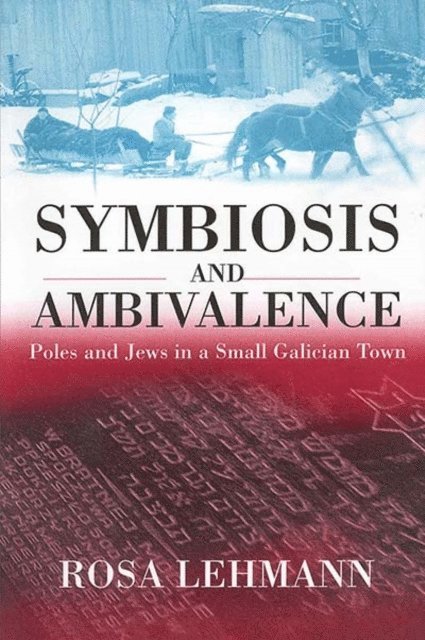
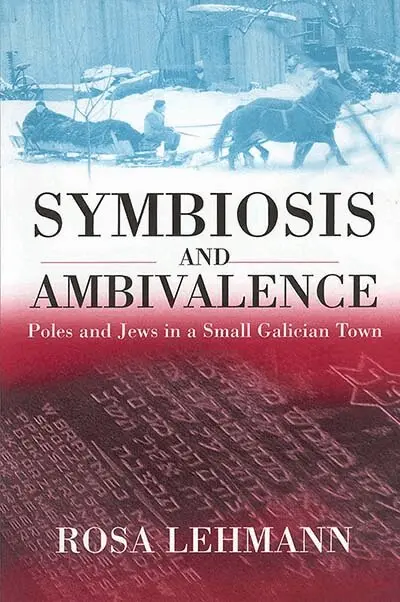
In Poland and elsewhere there has been a noticeable increase of interest in various aspects of the Polish-Jewish past which can be explained, the author argues, in terms of a broader intellectual need to explore the "blank spots" of Poland''s national history. This quest begins and ends with Polish anti-Semitism and the Shoah, during which most of Europe''s Jews were annihilated on Polish soil, but also focuses on the events of 1946-1968, the years of pogroms, anti-Semitic campaigns, and mass emigration of the Jews from Poland. All these became main issues of public reflection in Poland after a silence for almost forty years and led to the widespread view that Polish-Jewish relations are irredeemably poisoned by anti-Semitism.
If this is the case, how is it possible then, the author asks, that Jews still play an important role in the cultural expressions and the consciousness of the Polish people? To find an answer, she explored Polish-Jewish relations in a small Galacian town from the early 19th century to the end of World War II. Detailed analysis of archival materials as well as interviews with Polish inhabitants of this town and Jewish survivors living elsewhere reveal a pattern of Polish-Jewish interdependence that has led to a far more complex picture than is generally assumed.
550 kr
Skickas inom 10-15 vardagar
437 kr
Skickas inom 10-15 vardagar
515 kr
Skickas inom 10-15 vardagar
522 kr
Läs direkt efter köp
820 kr
Skickas inom 10-15 vardagar
848 kr
Läs direkt efter köp
Die Beiträge des Bandes untersuchen die unterschiedlichen Dimensionen der lateinamerikanischen Sozialstruktur seit der Jahrtausendwende. Klassische Fragestellungen der Sozialstrukturanalyse finden ebenso Beachtung wie jüngere Forschungsfelder. Der vorliegende Sammelband vereint innovative Beiträge lateinamerikanischer und weiterer Forscher*innen zu den bedeutendsten Dimensionen der gegenwärtigen Sozialstrukturen. Damit liegt erstmalig in deutscher Sprache eine umfassende Zusammenschau der wichtigsten sozialstrukturellen Entwicklungen in Lateinamerika der letzten 20 Jahre vor.
Die Sozialstruktur in Lateinamerika ist in den letzten zwei Jahrzehnten in Bewegung geraten. Ausschlaggebend waren zum einen die Folgen der neoliberalen Wirtschafts- und Gesellschaftspolitik der 1980er und 90er Jahre, zum anderen die Wahl von Mitte-Links-Regierungen seit Beginn der 2000er Jahre. Diese Regierungen stellten das neoliberale Dogma in Frage und nahmen auch dank gestiegener Rohstoffpreise Umverteilungspolitiken in Angriff. Diese sozialen, politischen und kulturellen Umbrüche machten sich auch in den Sozialstrukturen der Region bemerkbar. Der Band analysiert wichtige Entwicklungen, rezente Phänomene und neue Debatten.