2 544 kr
Skickas inom 10-15 vardagar
2 544 kr
Skickas inom 10-15 vardagar
956 kr
Läs direkt efter köp
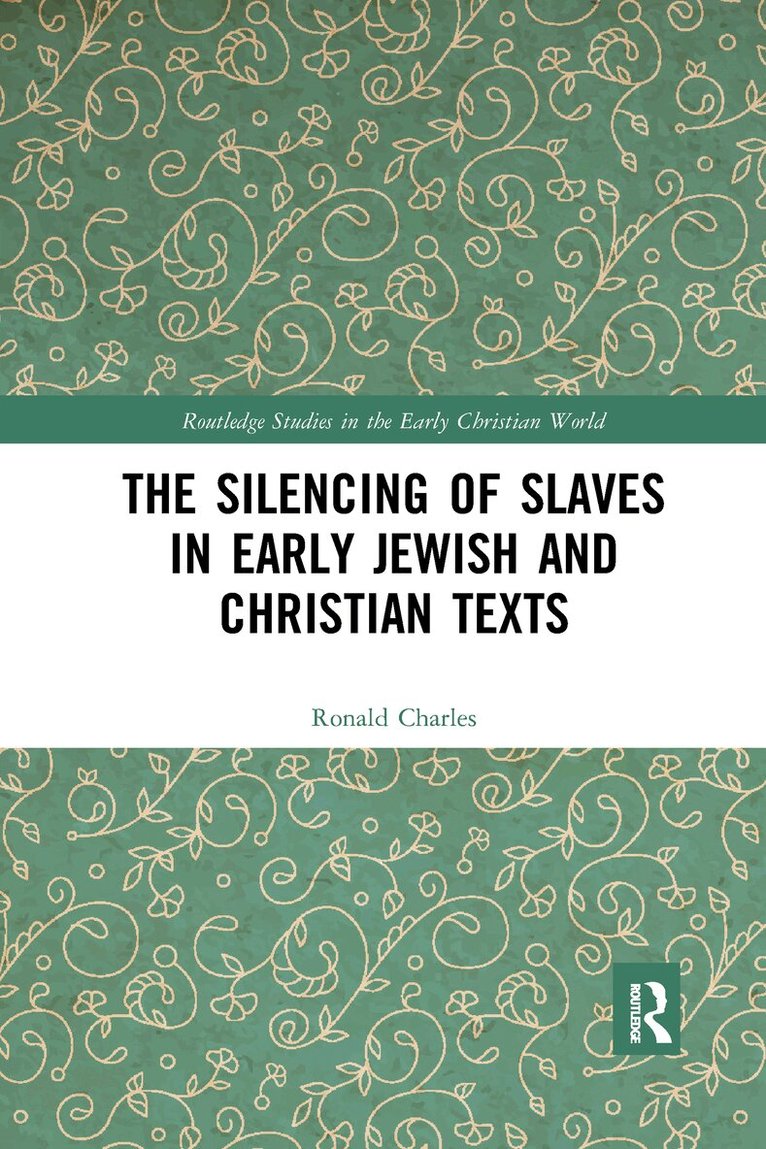
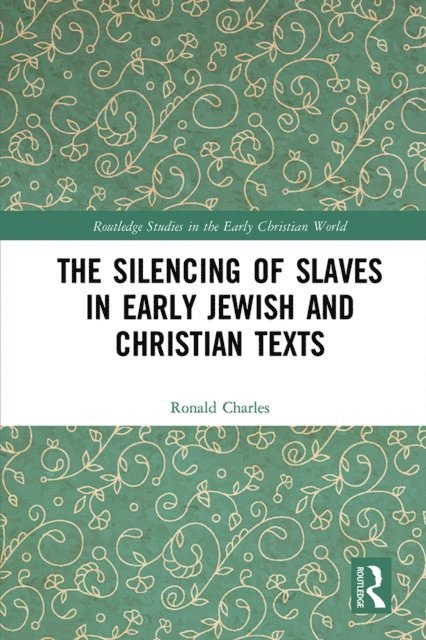
The Silencing of Slaves in Early Jewish and Christian Texts analyzes a large corpus of early Christian texts and Pseudepigraphic materials to understand how the authors of these texts used, abused and silenced enslaved characters to articulate their own social, political, and theological visions.
The focus is on excavating the texts "from below" or "against the grain" in order to notice the slaves, and in so doing, to problematize and (re)imagine the narratives. Noticing the slaves as literary iterations means paying attention to broader theological, ideological, and rhetorical aims of the texts within which enslaved bodies are constructed. The analysis demonstrates that by silencing slaves and using a rhetoric of violence, the authors of these texts contributed to the construction of myths in which slaves functioned as a useful trope to support the combined power of religion and empire. Thus was created not only the perfect template for the rise and development of a Christian discourse of slavery, but also a rationale for subsequent violence exercised against slave bodies within the Christian Empire.
The study demonstrates the value of using the tools and applying the insights of subaltern studies to the study of the Pseudepigrapha and in early Christian texts. This volume will be of interest not only to scholars of early Christianity, but also to those working on the history of slavery and subaltern studies in antiquity.
838 kr
Läs direkt efter köp
The Silencing of Slaves in Early Jewish and Christian Texts analyzes a large corpus of early Christian texts and Pseudepigraphic materials to understand how the authors of these texts used, abused and silenced enslaved characters to articulate their own social, political, and theological visions.
The focus is on excavating the texts "from below" or "against the grain" in order to notice the slaves, and in so doing, to problematize and (re)imagine the narratives. Noticing the slaves as literary iterations means paying attention to broader theological, ideological, and rhetorical aims of the texts within which enslaved bodies are constructed. The analysis demonstrates that by silencing slaves and using a rhetoric of violence, the authors of these texts contributed to the construction of myths in which slaves functioned as a useful trope to support the combined power of religion and empire. Thus was created not only the perfect template for the rise and development of a Christian discourse of slavery, but also a rationale for subsequent violence exercised against slave bodies within the Christian Empire.
The study demonstrates the value of using the tools and applying the insights of subaltern studies to the study of the Pseudepigrapha and in early Christian texts. This volume will be of interest not only to scholars of early Christianity, but also to those working on the history of slavery and subaltern studies in antiquity.
1 438 kr
Skickas inom 10-15 vardagar
499 kr
Läs direkt efter köp
495 kr
Läs direkt efter köp
465 kr
Skickas inom 10-15 vardagar
715 kr
Skickas inom 10-15 vardagar
496 kr
Skickas inom 3-6 vardagar
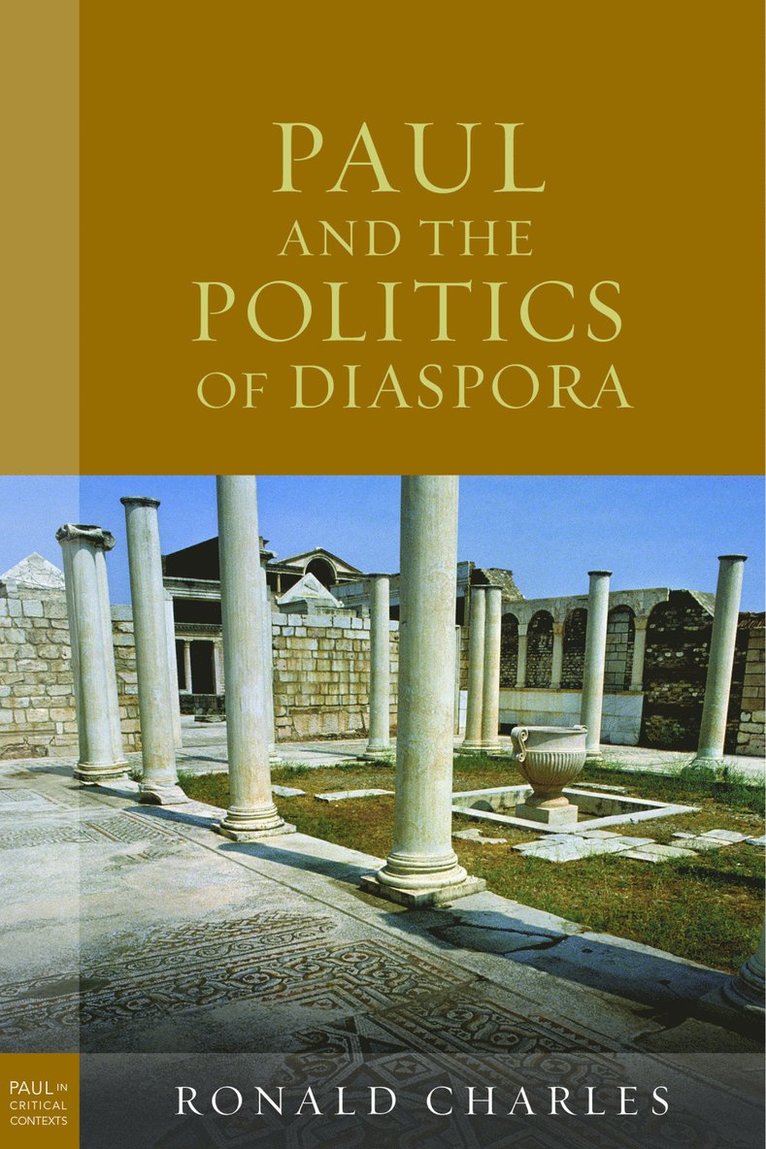
It is a commonplace today that Paul was a Jew of the Hellenistic Diaspora, but how does that observation help us to understand his thinking, his self-identification, and his practice? Ronald Charles applies the insights of contemporary diaspora studies to address much-debated questions about Pauls identity as a diaspora Jew, his complicated relationship with a highly symbolized homeland, the motives of his daily work, and the ambivalence of his rhetoric.
Charles argues for understanding a number of important aspects of Pauls identity and work, including the ways his interactions with others were conditioned, by his diaspora space, his self-understanding, and his experience among the nations. Diaspora space is a key concept that allows Charles to show how Pauls travels and the collection project in particular can be read as a transcultural narrative. Understanding the dynamics of diaspora also allows Charles to bring new light to the conflict at Antioch (Galatians 12), Pauls relationships with the Gentiles in Galatia, and the fraught relationship with leaders in Jerusalem.
104 kr
Läs direkt efter köp
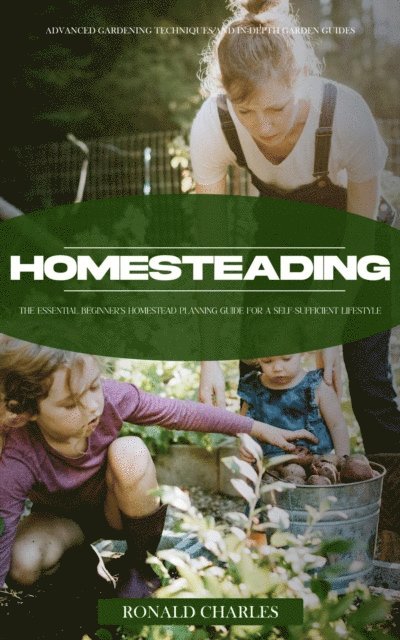
Whether you''re a novice or an experienced gardener, this book provides step-by-step instructions, creative ideas, and real-life examples to guide you through every aspect of urban homesteading.
Sustainability is at the core of this guide. From eco-friendly gardening practices to sustainable preservation methods, the book emphasizes mindful consumption, ethical living, and even integrating technology for smart urban homesteading. It''s a blueprint for cultivating a lifestyle that nourishes both you and the planet.
Here is a preview of what you''ll learn...
Unlock the secrets of eco-friendly urban gardeningLearn creative methods for year-round freshnessExplore varied approaches to sustainable city livingTroubleshoot common issues with real-life solutionsIntegrate cutting-edge solutions for efficient urban livingDiscover diy practices for an eco-conscious homeConnect with your urban environment on a deeper levelMuch, much more!No matter your motivation, financial situation, or living arrangements, homesteading is a great option for anyone who wants to gain any level of independence whether that''s a small taste or complete control of your lifestyle. Even if you live in a city apartment this book will spark your imagination, and show you how to make the most of what you have to become thoroughly self-sufficient.