

Häftad, Engelska, 2009
151 kr
Skickas inom 7-10 vardagar
151 kr
Skickas inom 7-10 vardagar
404 kr
Läs direkt efter köp
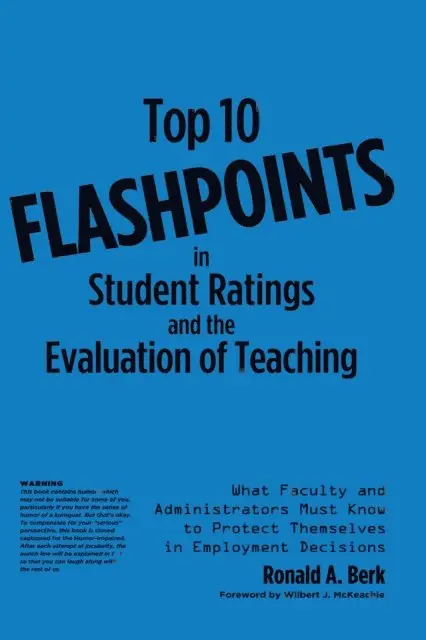
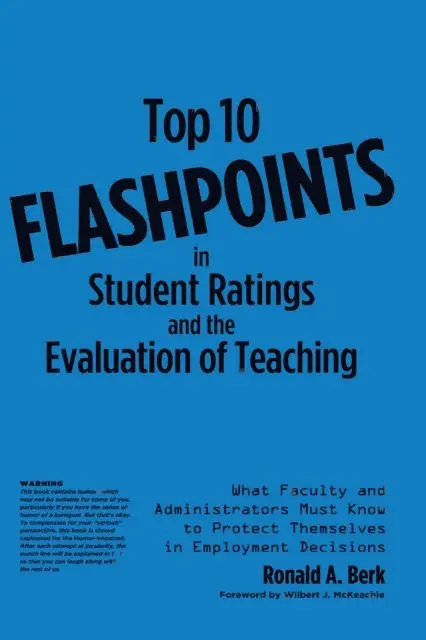
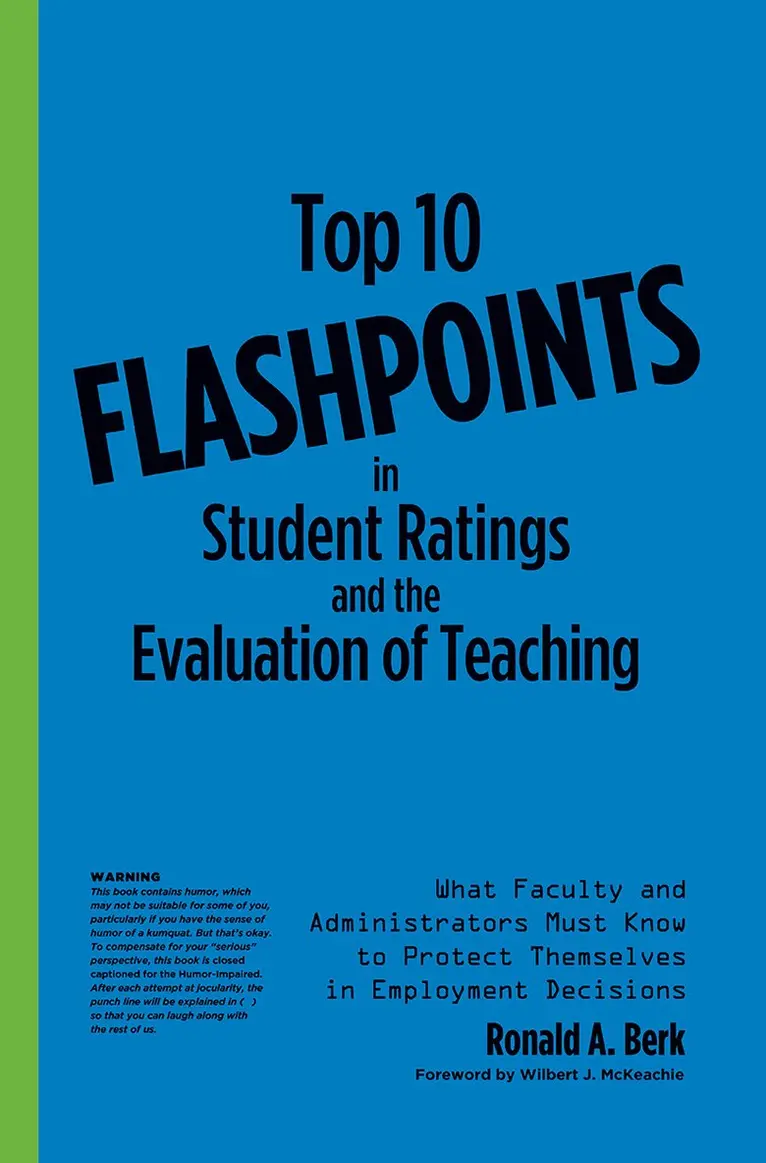
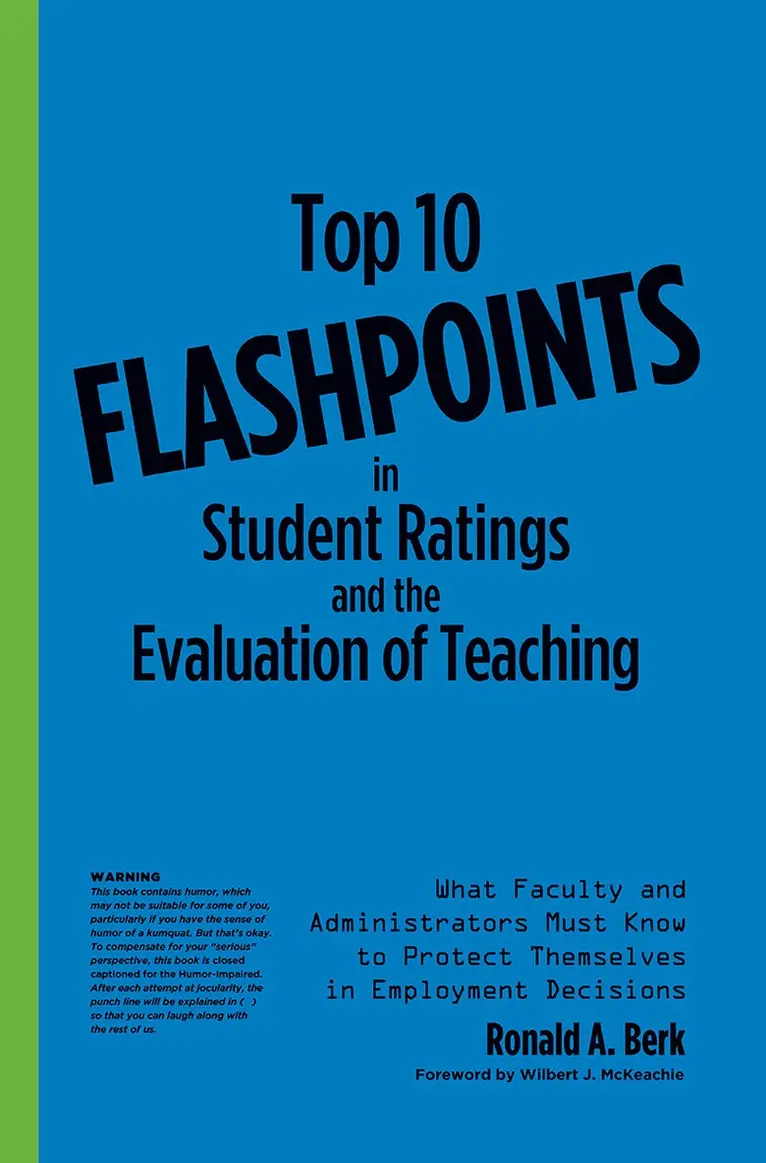
ATTENTION: ALL FACULTY & ADMINISTRATORS“Another book on student ratings? Are you kidding me?†“Nope, but this one is REALLY different.†Another review of the research or step-by-step on how to develop and interpret rating scales? NOT! (Berk did that with Thirteen Strategies) Designed to solve YOUR problems, conflicts, and confusion about how to evaluate teaching. Written expressly for YOU with Berk’s signature sense of humor.FLASHPOINT: a critical stage in a process, trouble spot, contentious issue, volatile hot button, or lowest temperature at which a flammable liquid will give off enough vapor to igniteThe “flashpoints†covered are the topics that pop up the most frequently and heatedly on listservs, blogs, and the literature. Each flashpoint is defined succinctly, options are presented, and then evidence-based recommendations for concrete action steps are proffered in an effort to stop the popping.The recommendations are grounded in psychometric, professional, and legal standards. The last-named, in particular, can protect you from costly litigation. If you hire, promote, demote, and fire full- and part-time faculty based on student ratings and other measures, then you are vulnerable to violations of federal anti-discrimination laws. Several flashpoints address procedures you can take to stay out of court. If you are a faculty member, you need to know whether your institution’s measures of teaching are appropriate and defensible, and what you should do if they are not.Four sample “flashpoints†and solutions:• Use of global items for summative decisions. SOLUTION: “Cease & desist†and use scale and subscale ratings• Low response rate in online administrations. SOLUTION: 20 strategies to increase rates• Scales to evaluate online and blended/hybrid courses. SOLUTION: 7 strategies are suggested and evaluated • Use of ratings for contract renewal, pay raise, teaching awards, and promotion and tenure. SOLUTION: Applying 80/20 rule for adverse impact to avoid lawsuits related to unequal pay, gender, race, ethnicity, and age discrimination

505 kr
Läs direkt efter köp
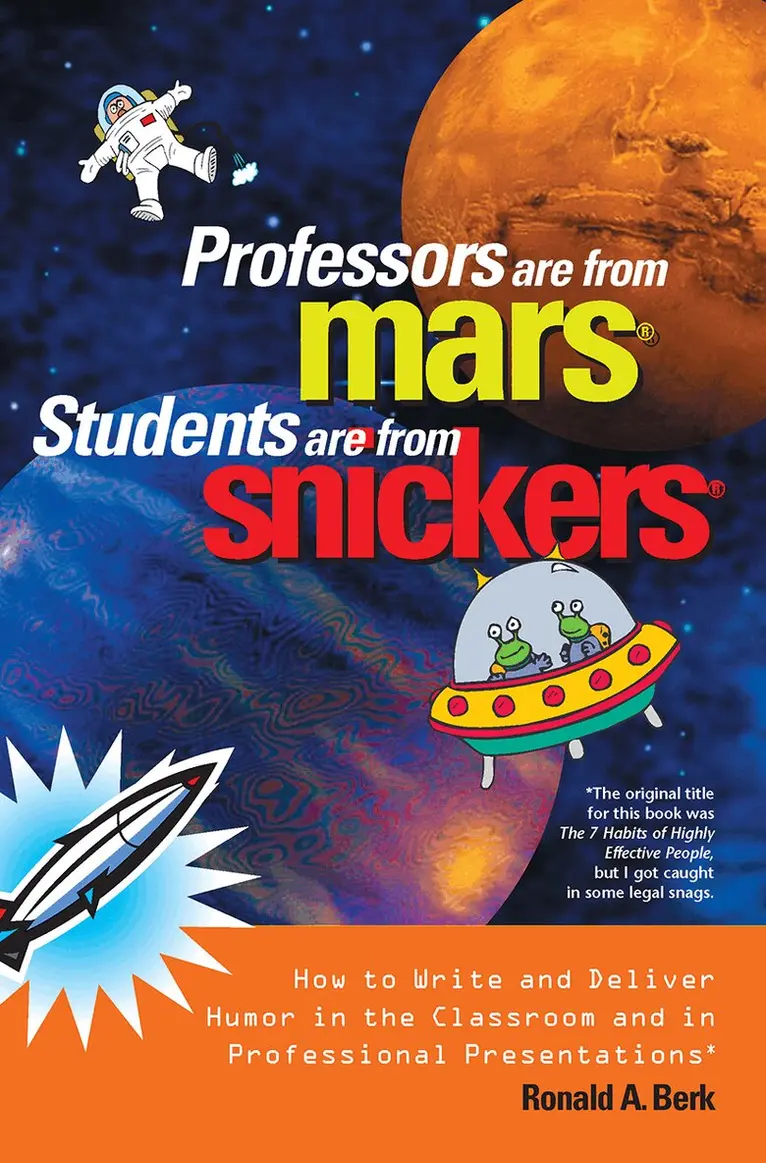
Professors and students seem to come from different planets (or candy bars). Barriers frequently exist that impede their communication, such as age, income and cholesterol level.Humor can break down these barriers so that professors can better connect with their students and other audiences. It can be used as a teaching tool to facilitate learning. Ron Berk describes and illustrates a wide variety of techniques that can be integrated systematically into instruction and professional presentations. For professors who consider themselves as "jocularly arthritic", this book moreover provides a special feature: it is close-captioned for the humor impaired.Berk''s techniques are "the product of ten years of inadequate development, testing and research." But why take the author''s words at their face value? Consider the testimonials of those who have actually attempted these methods in their own classes and presentations:''Before I tried Ron''s methods in my philosophy class, I had an attendance problem. Now, no one comes to class.'' -- H.I., Slot Machine U., Nevada''Applying humor to my engineering courses led me to understand the meaning of humiliation and rejection.'' -- J.K., Toyota College, Kentucky
539 kr
Läs direkt efter köp
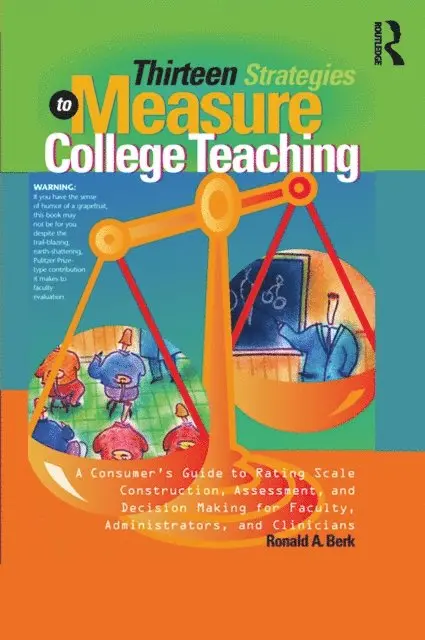
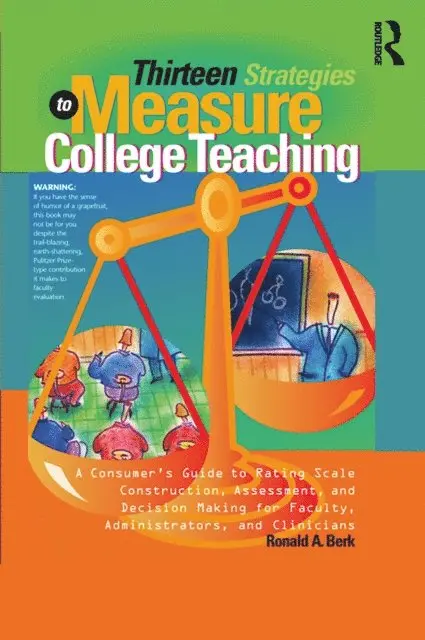
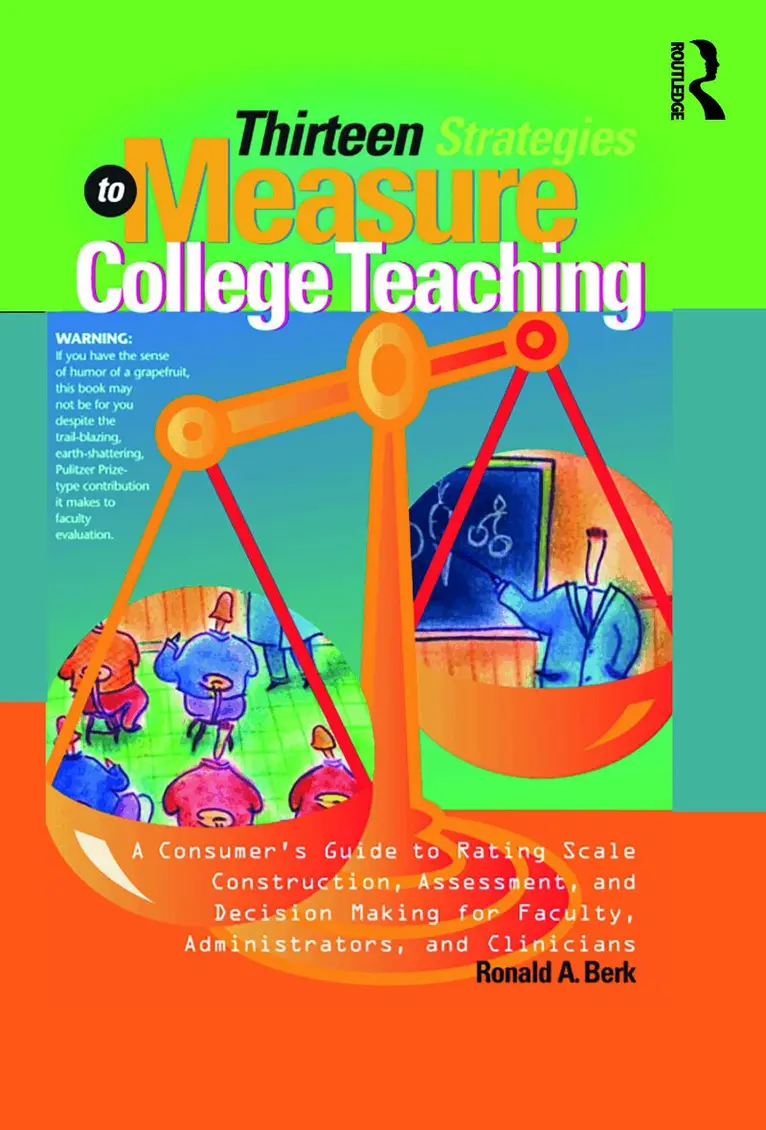
* Student evaluations of college teachers: perhaps the most contentious issue on campus* This book offers a more balanced approach* Evaluation affects pay, promotion and tenure, so of intense interest to all faculty* Major academic marketing and publicity* Combines original research with Berk’s signature wacky humorTo many college professors the words "student evaluations" trigger mental images of the shower scene from Psycho, with those bloodcurdling screams. They’re thinking: "Why not just whack me now, rather than wait to see those ratings again." This book takes off from the premise that student ratings are a necessary, but not sufficient source of evidence for measuring teaching effectiveness. It is a fun-filled--but solidly evidence-based--romp through more than a dozen other methods that include measurement by self, peers, outside experts, alumni, administrators, employers, and even aliens. As the major stakeholders in this process, both faculty AND administrators, plus clinicians who teach in schools of medicine, nursing, and the allied health fields, need to be involved in writing, adapting, evaluating, or buying items to create the various scales to measure teaching performance. This is the first basic introduction in the faculty evaluation literature to take you step-by-step through the process to develop these tools, interpret their scores, and make decisions about teaching improvement, annual contract renewal/dismissal, merit pay, promotion, and tenure. It explains how to create appropriate, high quality items and detect those that can introduce bias and unfairness into the results.Ron Berk also stresses the need for “triangulationâ€--the use of multiple, complementary methods--to provide the properly balanced, comprehensive and fair assessment of teaching that is the benchmark of employment decision making.This is a must-read to empower faculty, administrators, and clinicians to use appropriate evidence to make decisions accurately, reliably, and fairly. Don’t trample each other in your stampede to snag a copy of this book!
421 kr
Läs direkt efter köp
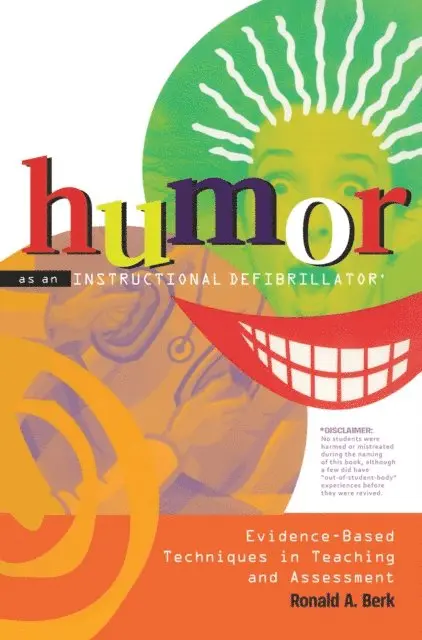
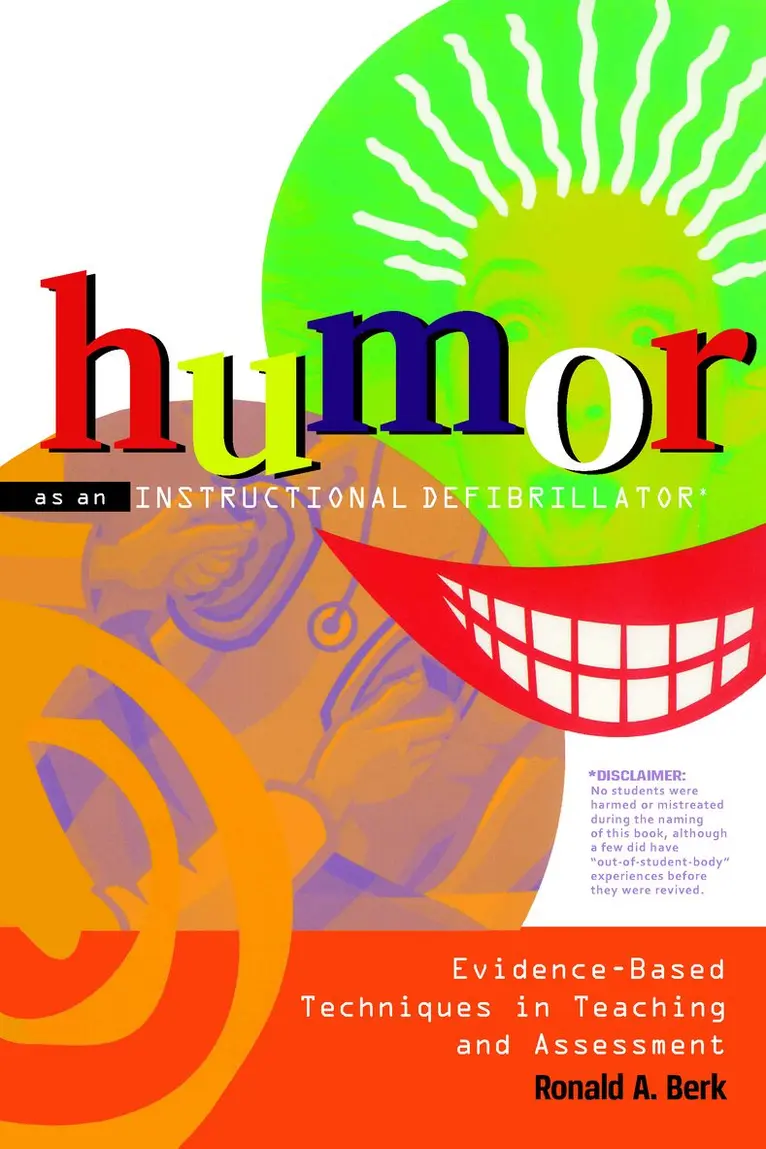
Grab those paddles. Charge 300. Clear! "Ouch!" Now how do you feel? "Great!" Humor can be used as a systematic teaching or assessment tool in your classroom and course Web site. It can shock students to attention and bring deadly, boring course content to life. Since some students have the attention span of goat cheese, we need to find creative online and offline techniques to hook them, engage their emotions, and focus their minds and eyeballs on learning. This book offers numerous techniques on how to effectively use humor in lectures and in-class activities, printed materials, course Web sites and course tests and exams.These techniques can convert any course into an adult version of Sesame Street. "If Dr. Hannibal Lecter ate books, this one would make a tasty hors d'' oeuvre." -- Clarice Starling"A non-page-turning marvel...I could stop reading at any point and know I ''m not missing anything." -- Forrest Gump"Not as much fun as Quidditch, but would be required reading for faculty at the Hogwarts School." -- Harry Potter"How did you get this book published? Read my letters: YOUR KNOT FUNY!" -- Bart Simpson
404 kr
Läs direkt efter köp
ATTENTION: ALL FACULTY & ADMINISTRATORS“Another book on student ratings? Are you kidding me?†“Nope, but this one is REALLY different.†Another review of the research or step-by-step on how to develop and interpret rating scales? NOT! (Berk did that with Thirteen Strategies) Designed to solve YOUR problems, conflicts, and confusion about how to evaluate teaching. Written expressly for YOU with Berk’s signature sense of humor.FLASHPOINT: a critical stage in a process, trouble spot, contentious issue, volatile hot button, or lowest temperature at which a flammable liquid will give off enough vapor to igniteThe “flashpoints†covered are the topics that pop up the most frequently and heatedly on listservs, blogs, and the literature. Each flashpoint is defined succinctly, options are presented, and then evidence-based recommendations for concrete action steps are proffered in an effort to stop the popping.The recommendations are grounded in psychometric, professional, and legal standards. The last-named, in particular, can protect you from costly litigation. If you hire, promote, demote, and fire full- and part-time faculty based on student ratings and other measures, then you are vulnerable to violations of federal anti-discrimination laws. Several flashpoints address procedures you can take to stay out of court. If you are a faculty member, you need to know whether your institution’s measures of teaching are appropriate and defensible, and what you should do if they are not.Four sample “flashpoints†and solutions:• Use of global items for summative decisions. SOLUTION: “Cease & desist†and use scale and subscale ratings• Low response rate in online administrations. SOLUTION: 20 strategies to increase rates• Scales to evaluate online and blended/hybrid courses. SOLUTION: 7 strategies are suggested and evaluated • Use of ratings for contract renewal, pay raise, teaching awards, and promotion and tenure. SOLUTION: Applying 80/20 rule for adverse impact to avoid lawsuits related to unequal pay, gender, race, ethnicity, and age discrimination

502 kr
Läs direkt efter köp
Professors and students seem to come from different planets (or candy bars). Barriers frequently exist that impede their communication, such as age, income and cholesterol level.Humor can break down these barriers so that professors can better connect with their students and other audiences. It can be used as a teaching tool to facilitate learning. Ron Berk describes and illustrates a wide variety of techniques that can be integrated systematically into instruction and professional presentations. For professors who consider themselves as "jocularly arthritic", this book moreover provides a special feature: it is close-captioned for the humor impaired.Berk''s techniques are "the product of ten years of inadequate development, testing and research." But why take the author''s words at their face value? Consider the testimonials of those who have actually attempted these methods in their own classes and presentations:''Before I tried Ron''s methods in my philosophy class, I had an attendance problem. Now, no one comes to class.'' -- H.I., Slot Machine U., Nevada''Applying humor to my engineering courses led me to understand the meaning of humiliation and rejection.'' -- J.K., Toyota College, Kentucky
535 kr
Läs direkt efter köp
* Student evaluations of college teachers: perhaps the most contentious issue on campus* This book offers a more balanced approach* Evaluation affects pay, promotion and tenure, so of intense interest to all faculty* Major academic marketing and publicity* Combines original research with Berk’s signature wacky humorTo many college professors the words "student evaluations" trigger mental images of the shower scene from Psycho, with those bloodcurdling screams. They’re thinking: "Why not just whack me now, rather than wait to see those ratings again." This book takes off from the premise that student ratings are a necessary, but not sufficient source of evidence for measuring teaching effectiveness. It is a fun-filled--but solidly evidence-based--romp through more than a dozen other methods that include measurement by self, peers, outside experts, alumni, administrators, employers, and even aliens. As the major stakeholders in this process, both faculty AND administrators, plus clinicians who teach in schools of medicine, nursing, and the allied health fields, need to be involved in writing, adapting, evaluating, or buying items to create the various scales to measure teaching performance. This is the first basic introduction in the faculty evaluation literature to take you step-by-step through the process to develop these tools, interpret their scores, and make decisions about teaching improvement, annual contract renewal/dismissal, merit pay, promotion, and tenure. It explains how to create appropriate, high quality items and detect those that can introduce bias and unfairness into the results.Ron Berk also stresses the need for “triangulationâ€--the use of multiple, complementary methods--to provide the properly balanced, comprehensive and fair assessment of teaching that is the benchmark of employment decision making.This is a must-read to empower faculty, administrators, and clinicians to use appropriate evidence to make decisions accurately, reliably, and fairly. Don’t trample each other in your stampede to snag a copy of this book!
412 kr
Läs direkt efter köp
Grab those paddles. Charge 300. Clear! "Ouch!" Now how do you feel? "Great!" Humor can be used as a systematic teaching or assessment tool in your classroom and course Web site. It can shock students to attention and bring deadly, boring course content to life. Since some students have the attention span of goat cheese, we need to find creative online and offline techniques to hook them, engage their emotions, and focus their minds and eyeballs on learning. This book offers numerous techniques on how to effectively use humor in lectures and in-class activities, printed materials, course Web sites and course tests and exams.These techniques can convert any course into an adult version of Sesame Street. "If Dr. Hannibal Lecter ate books, this one would make a tasty hors d'' oeuvre." -- Clarice Starling"A non-page-turning marvel...I could stop reading at any point and know I ''m not missing anything." -- Forrest Gump"Not as much fun as Quidditch, but would be required reading for faculty at the Hogwarts School." -- Harry Potter"How did you get this book published? Read my letters: YOUR KNOT FUNY!" -- Bart Simpson
458 kr
Skickas inom 10-15 vardagar
430 kr
Skickas inom 10-15 vardagar
458 kr
Skickas inom 10-15 vardagar
2 432 kr
Skickas inom 10-15 vardagar
430 kr
Skickas inom 10-15 vardagar