1 471 kr
Skickas inom 10-15 vardagar
1 471 kr
Skickas inom 10-15 vardagar
927 kr
Läs direkt efter köp
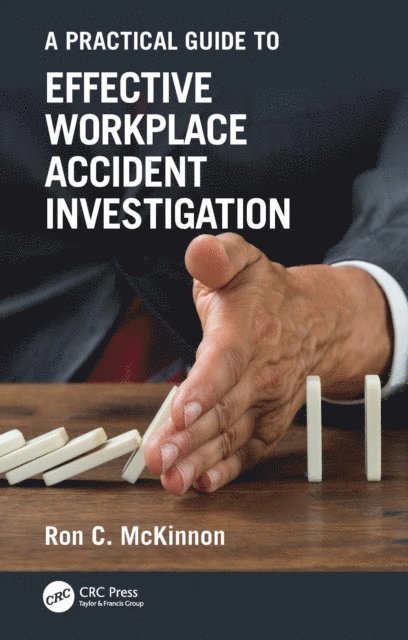
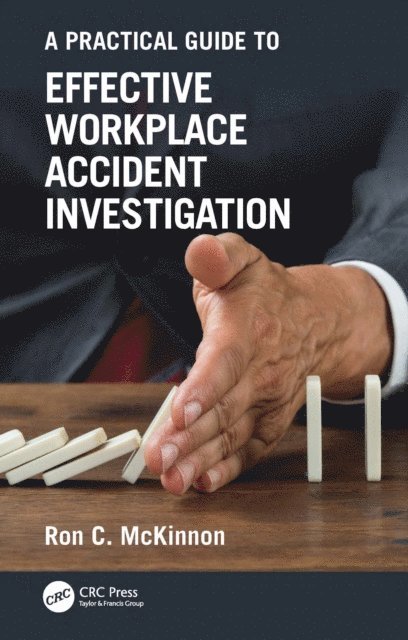
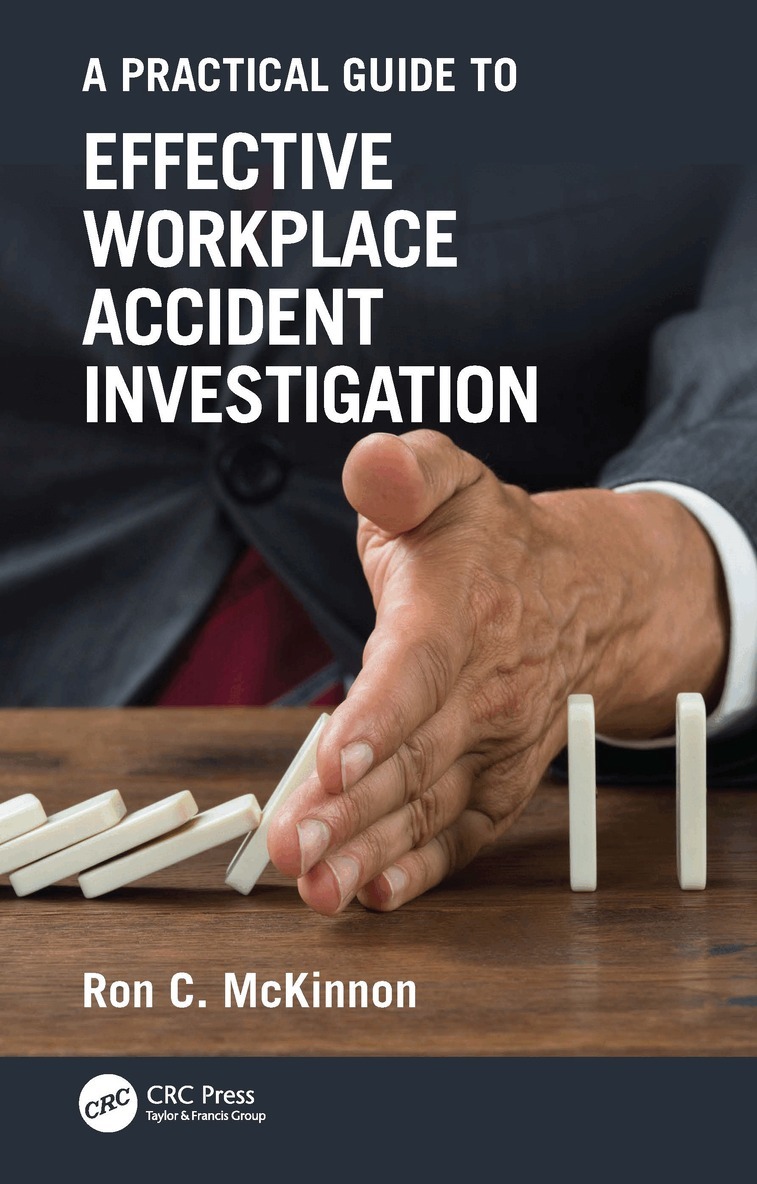
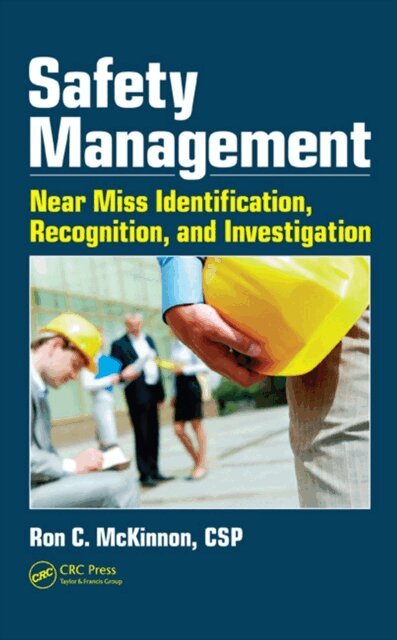
This book explains how accidents and high potential near-miss incidents are caused, and how to eliminate recurrences by effective accident investigation methods. It shows how to conduct an immediate and root cause analysis so that remedial measures can be taken to prevent a recurrence of similar events. The book shows how to apply the Logical Sequence Accident Investigation Method in the case studies presented.
The book:
Provides a practical guide to accident causes, investigation and prevention.
Explains immediate and root causes in detail.
Gives a number of problem-solving methods for the accident investigator to use.
Introduces the Logical Sequence Accident Investigation Method.
Provides a practical accident investigation evaluation system.
The book discusses important topics including hazard identification and risk assessment, workplace health and safety, accident causation and prevention theories, the updated accident domino sequence, as well as safety management system standards and controls.
The text is primarily written for professionals and graduate students in the fields of occupational health and safety, ergonomics and human factors engineering.
921 kr
Läs direkt efter köp
This book explains how accidents and high potential near-miss incidents are caused, and how to eliminate recurrences by effective accident investigation methods. It shows how to conduct an immediate and root cause analysis so that remedial measures can be taken to prevent a recurrence of similar events. The book shows how to apply the Logical Sequence Accident Investigation Method in the case studies presented.
The book:
Provides a practical guide to accident causes, investigation and prevention.
Explains immediate and root causes in detail.
Gives a number of problem-solving methods for the accident investigator to use.
Introduces the Logical Sequence Accident Investigation Method.
Provides a practical accident investigation evaluation system.
The book discusses important topics including hazard identification and risk assessment, workplace health and safety, accident causation and prevention theories, the updated accident domino sequence, as well as safety management system standards and controls.
The text is primarily written for professionals and graduate students in the fields of occupational health and safety, ergonomics and human factors engineering.
890 kr
Läs direkt efter köp
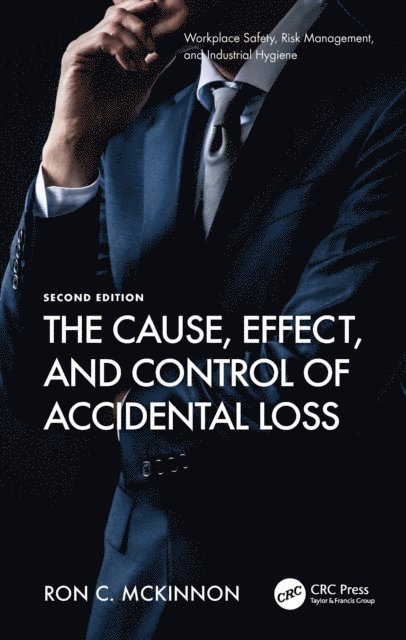
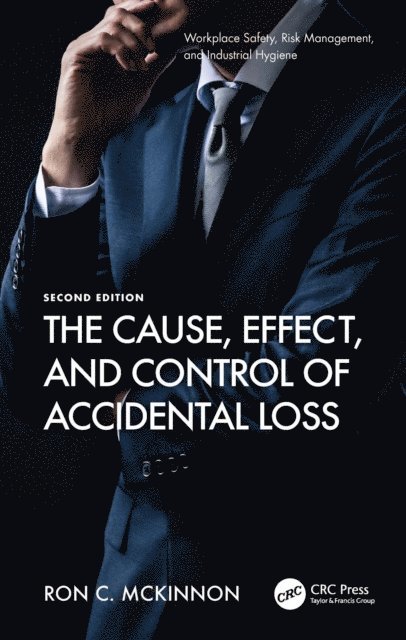
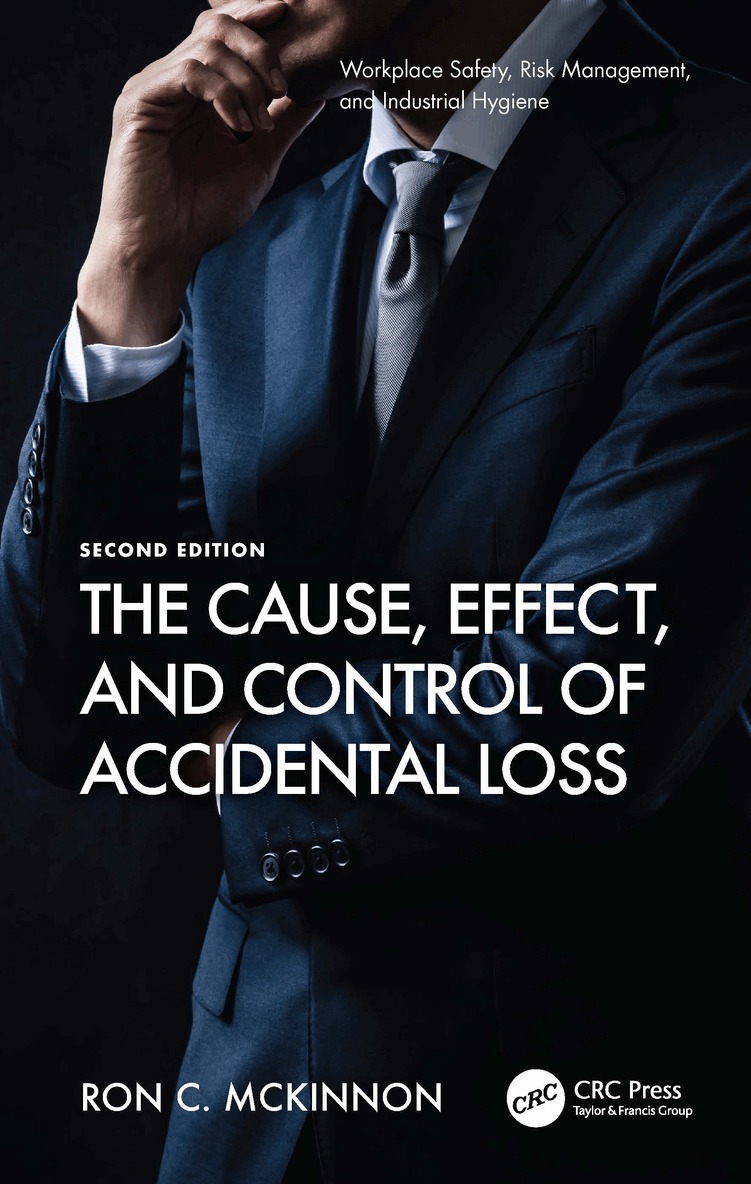
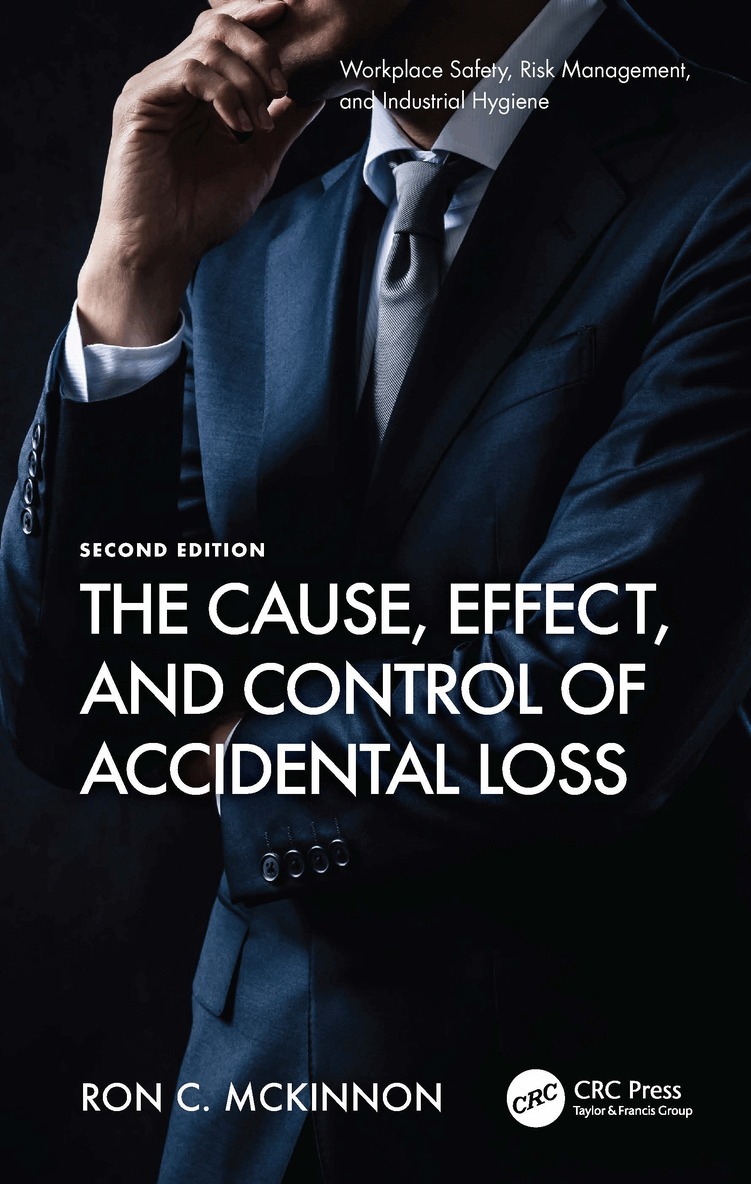
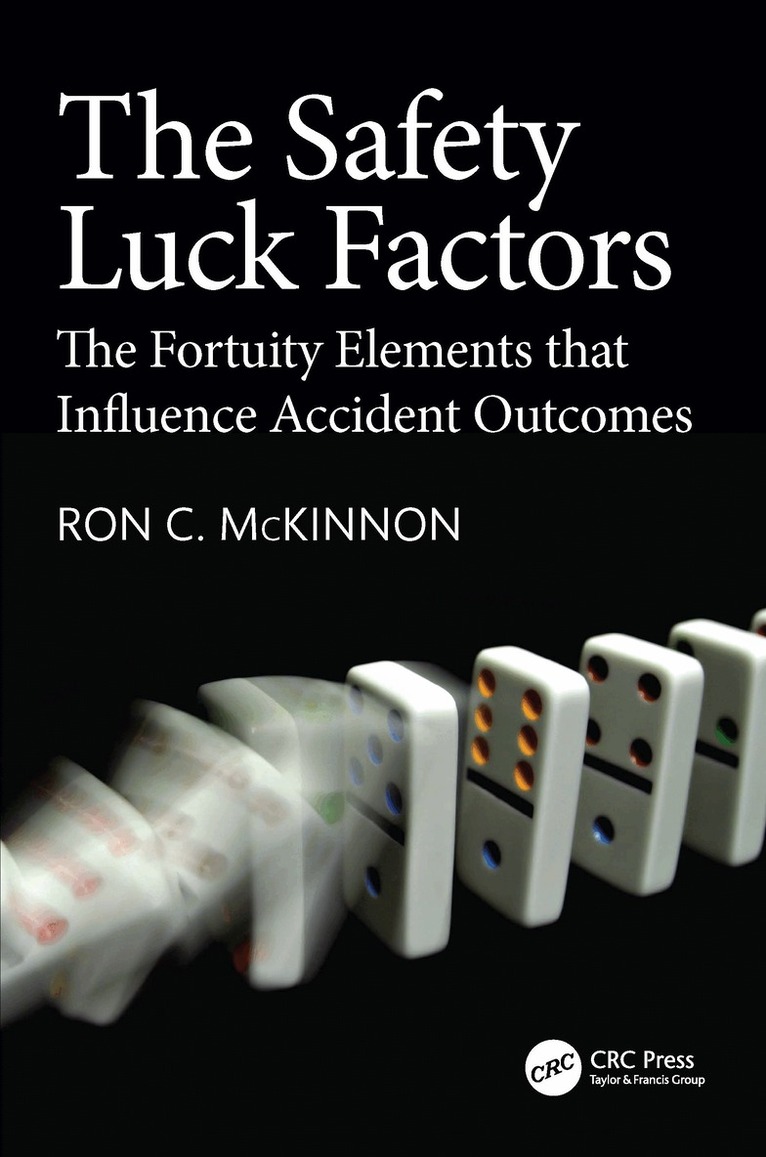
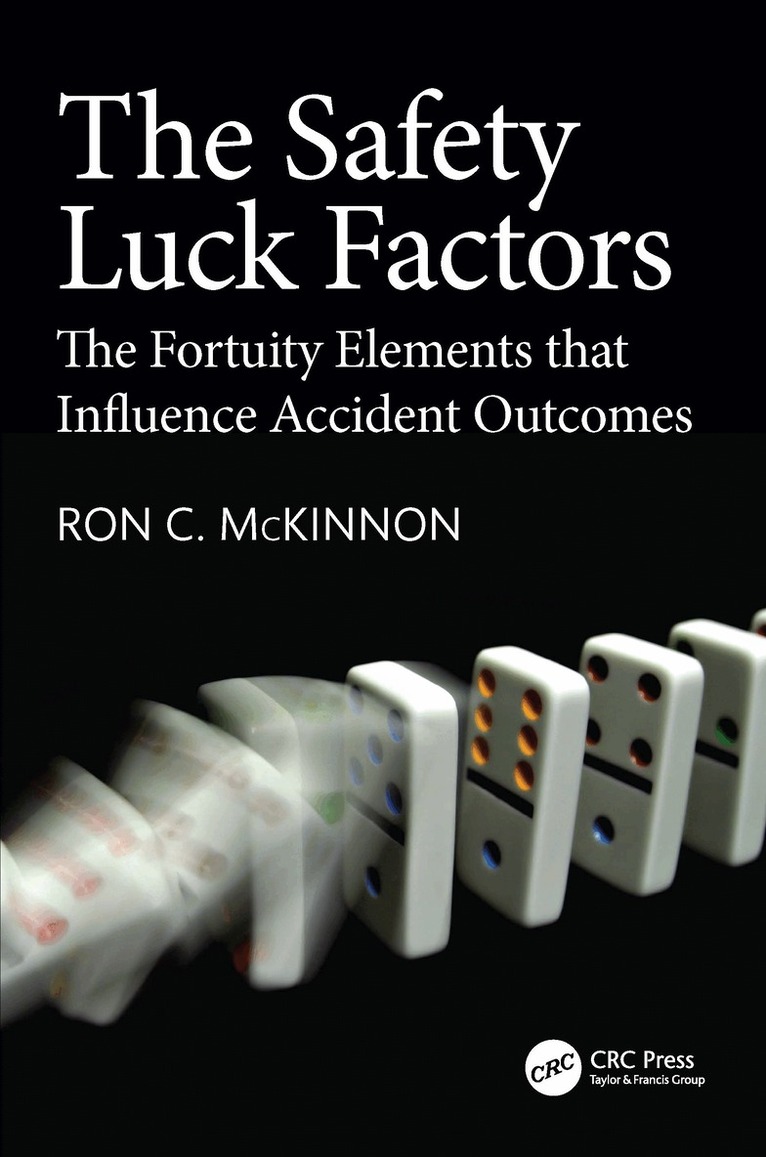
The Cause, Effect, and Control of Accidental Loss takes the reader through 15 phases of a typical workplace accident and shows how accidents can be prevented by the introduction of safety management controls in the form of a structured health and safety management system (SMS). It proposes that once the event has been triggered, there is no certainty as to the outcome, so workplaces should rely on proactive safety actions rather than reactive ones. Now fully updated, this new edition expands on the important concepts from the first edition, including hazard identification, risk assessment, flawed safety management systems, the potential for loss, and management control.
This title:
Challenges the paradigm that the measure of consequence (losses) is a good indicator of safety effort Introduces three luck factors that determine the course of the accident sequence Explains what causes accidents, their consequences, and how to prevent them Showcases accident immediate causes including high-risk (unsafe) acts and high-risk (unsafe) conditionsThe text is an essential read for professionals, graduate students, and academics in the field of occupational health, safety, and industrial hygiene.
903 kr
Läs direkt efter köp
The Cause, Effect, and Control of Accidental Loss takes the reader through 15 phases of a typical workplace accident and shows how accidents can be prevented by the introduction of safety management controls in the form of a structured health and safety management system (SMS). It proposes that once the event has been triggered, there is no certainty as to the outcome, so workplaces should rely on proactive safety actions rather than reactive ones. Now fully updated, this new edition expands on the important concepts from the first edition, including hazard identification, risk assessment, flawed safety management systems, the potential for loss, and management control.
This title:
Challenges the paradigm that the measure of consequence (losses) is a good indicator of safety effort Introduces three luck factors that determine the course of the accident sequence Explains what causes accidents, their consequences, and how to prevent them Showcases accident immediate causes including high-risk (unsafe) acts and high-risk (unsafe) conditionsThe text is an essential read for professionals, graduate students, and academics in the field of occupational health, safety, and industrial hygiene.
999 kr
Läs direkt efter köp
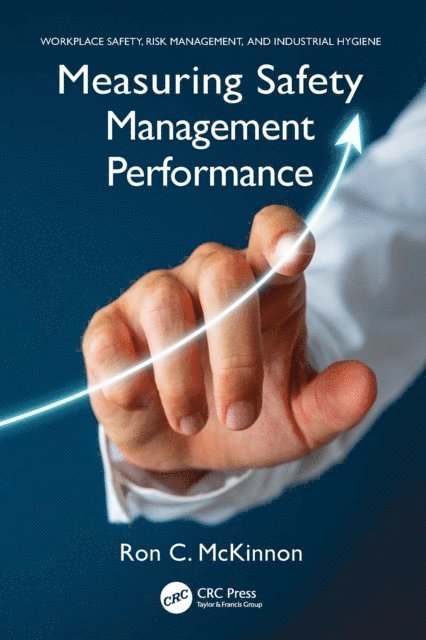
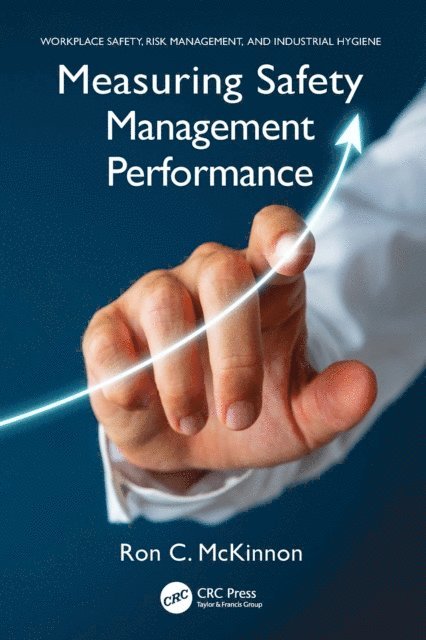
Measuring Safety Management Performance lists and explains the difference between lagging and leading measures of safety management performance. It informs the reader how to use both proactive and reactive safety performance indicators and explains that consequence measurement is not an accurate reflection of the organization’s safety effort. It suggests managements’ Safety Performance Indicators (SPI) should be changed to proactive, positive measures of action and activities which can be controlled and accurately measured. A roadmap of a holistic system for measurement is offered that covers health and safety performance. It shows how management is traditionally informed about where they have been by information provided relating to injury data, rather than proactive, measurable, and controllable data on accident prevention efforts provided by the health and safety management system (SMS), which indicate where they are going.
This highly practical book features examples of safety performance indicators, provides positive guidelines for accurate safety performance measurement, and is based on actual workplace experiences. It explains the strengths and weaknesses of proactive and reactive measurement metrics and gives examples of leading and lagging safety performance indicators.
This book will be an ideal read for professionals and graduate students in the fields of occupational health and safety, ergonomics, and human factors engineering. It will have resonance with managers and professionals engaged in health and safety provisions at their place of work.
1 569 kr
Skickas inom 10-15 vardagar
769 kr
Skickas inom 10-15 vardagar
1 523 kr
Skickas inom 10-15 vardagar
1 829 kr
Skickas inom 10-15 vardagar
848 kr
Skickas inom 10-15 vardagar
776 kr
Skickas inom 10-15 vardagar
773 kr
Skickas inom 10-15 vardagar
1 681 kr
Skickas inom 10-15 vardagar
2 229 kr
Läs direkt efter köp
2 181 kr
Läs direkt efter köp
2 125 kr
Läs direkt efter köp
2 125 kr
Läs direkt efter köp
836 kr
Kommande
1 554 kr
Kommande
910 kr
Läs direkt efter köp
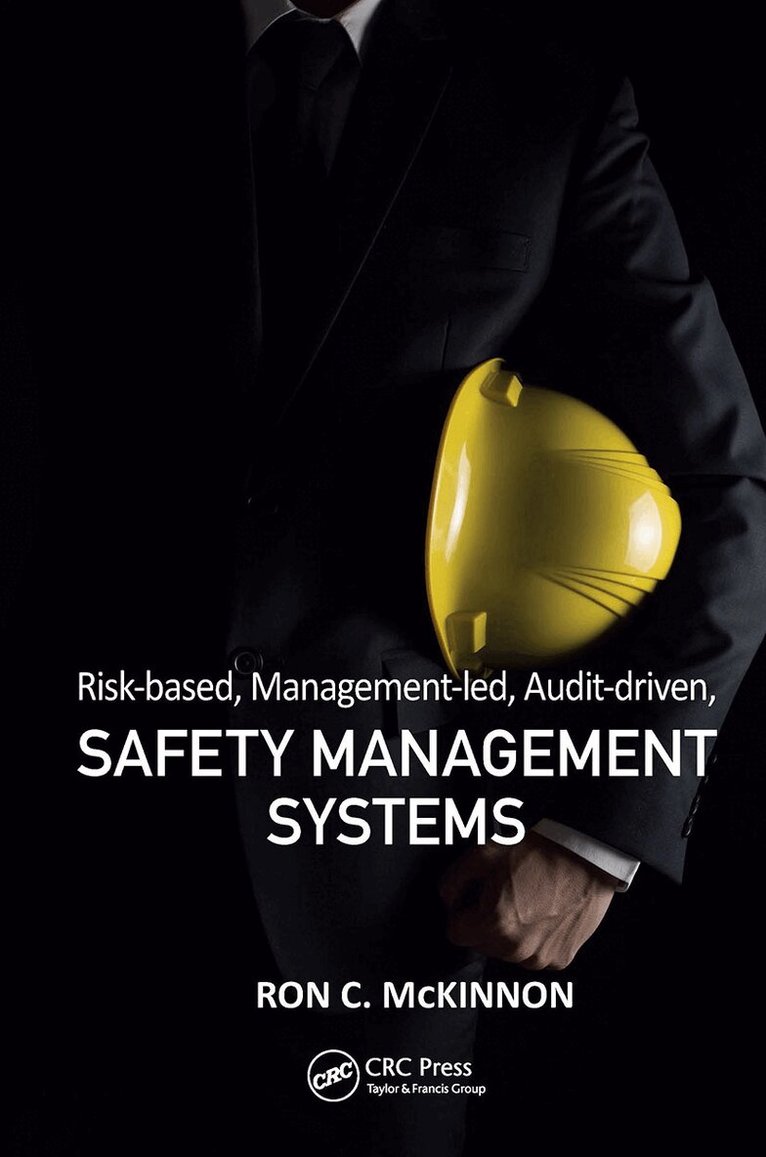
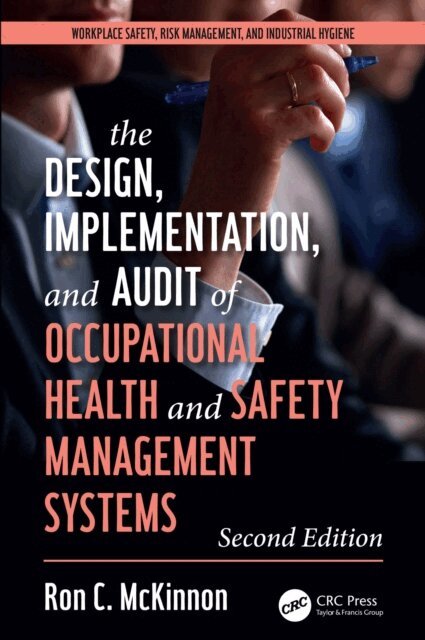
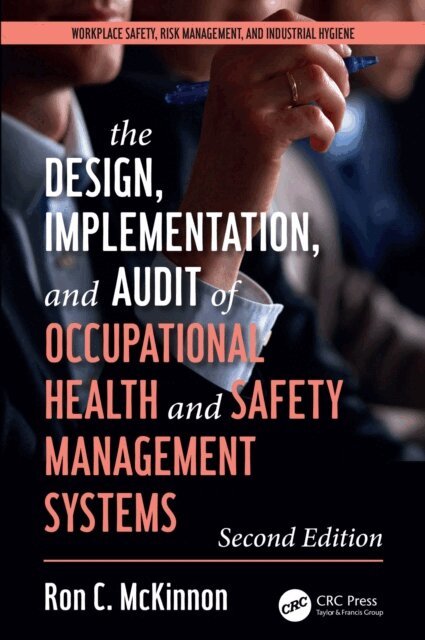
Risk-based, Management-led, Audit-driven, Safety Management Systems, explains what a safety management system (SMS) is, and how it reduces risk in order to prevent accidental losses in an organization. It advocates the integration of safety and health into the day-to-day management of the enterprise as a value, rather than an add-on, and emphasizes that the safety movement must be initiated, led and maintained by management at all levels.
The concepts of safety authority, responsibility and accountability are described as the key ingredients to safety system success. Safety system audits are expounded in simple terms, and leading safety performance indicators are suggested as the most important measurements, in preference to lagging indicators. McKinnon highlights the importance of the identification and control of risk as a key basis for a SMS, with examples of a simple risk matrix and daily task risk assessment, as well as a simplified method of assessing, analyzing, and controlling risks.
The book refers to international Guidelines on SMS, as well as the proposed International Organization for Standardization (ISO) 45001, which could soon become the international safety benchmark for organizations worldwide. Using clear, approachable examples, the chapters give a complete overview of an SMS and its components. Confirming to most of the safety management system Guidelines published by leading world authorities, this volume will allow organizations to structure their own world-class SMS.
903 kr
Läs direkt efter köp
Risk-based, Management-led, Audit-driven, Safety Management Systems, explains what a safety management system (SMS) is, and how it reduces risk in order to prevent accidental losses in an organization. It advocates the integration of safety and health into the day-to-day management of the enterprise as a value, rather than an add-on, and emphasizes that the safety movement must be initiated, led and maintained by management at all levels.
The concepts of safety authority, responsibility and accountability are described as the key ingredients to safety system success. Safety system audits are expounded in simple terms, and leading safety performance indicators are suggested as the most important measurements, in preference to lagging indicators. McKinnon highlights the importance of the identification and control of risk as a key basis for a SMS, with examples of a simple risk matrix and daily task risk assessment, as well as a simplified method of assessing, analyzing, and controlling risks.
The book refers to international Guidelines on SMS, as well as the proposed International Organization for Standardization (ISO) 45001, which could soon become the international safety benchmark for organizations worldwide. Using clear, approachable examples, the chapters give a complete overview of an SMS and its components. Confirming to most of the safety management system Guidelines published by leading world authorities, this volume will allow organizations to structure their own world-class SMS.
1 892 kr
Skickas inom 10-15 vardagar
2 229 kr
Läs direkt efter köp
1 892 kr
Skickas inom 10-15 vardagar
2 229 kr
Läs direkt efter köp
2 209 kr
Skickas inom 10-15 vardagar
1 554 kr
Läs direkt efter köp
1 617 kr
Skickas inom 10-15 vardagar