1 995 kr
Skickas inom 7-10 vardagar
1 995 kr
Skickas inom 7-10 vardagar
268 kr
Läs direkt efter köp
621 kr
Skickas inom 7-10 vardagar
1 995 kr
Skickas inom 7-10 vardagar
279 kr
Läs direkt efter köp
621 kr
Skickas inom 7-10 vardagar
2 311 kr
Skickas inom 10-15 vardagar
3 341 kr
Skickas inom 3-6 vardagar
2 757 kr
Skickas inom 3-6 vardagar
3 392 kr
Skickas inom 3-6 vardagar
2 602 kr
Skickas inom 10-15 vardagar
1 778 kr
Skickas inom 10-15 vardagar
892 kr
Läs direkt efter köp
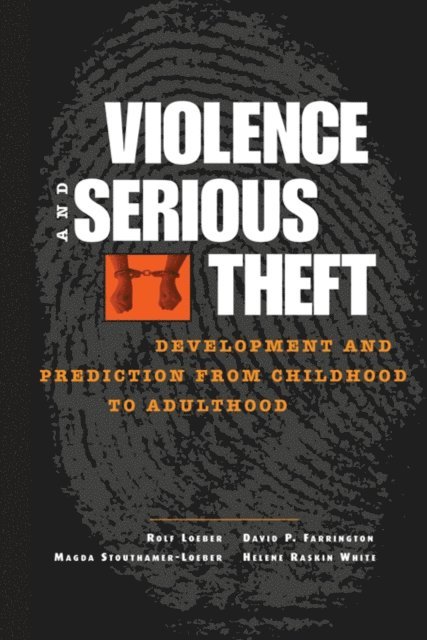
In this volume, top experts in the field of delinquency discuss the implications of the findings of the Pittsburgh Youth Study for current conceptualizations of antisocial behavior. Violence and Serious Theft is unique in that it combines the strengths of three disciplines to explain delinquency in young people: developmental psychopathology, criminology, and public health. The book addresses questions in two main areas: serious offending as an outcome over time and developmental aspects of serious offending; and factors which explain why some young males become violent and/or commit serious crime while others do not. Violence and Serious Theft is a resource for researchers, practitioners and students in developmental, school and counseling psychology; psychopathology, psychiatry, public health and criminology.
873 kr
Läs direkt efter köp
In this volume, top experts in the field of delinquency discuss the implications of the findings of the Pittsburgh Youth Study for current conceptualizations of antisocial behavior. Violence and Serious Theft is unique in that it combines the strengths of three disciplines to explain delinquency in young people: developmental psychopathology, criminology, and public health. The book addresses questions in two main areas: serious offending as an outcome over time and developmental aspects of serious offending; and factors which explain why some young males become violent and/or commit serious crime while others do not. Violence and Serious Theft is a resource for researchers, practitioners and students in developmental, school and counseling psychology; psychopathology, psychiatry, public health and criminology.
1 099 kr
Läs direkt efter köp
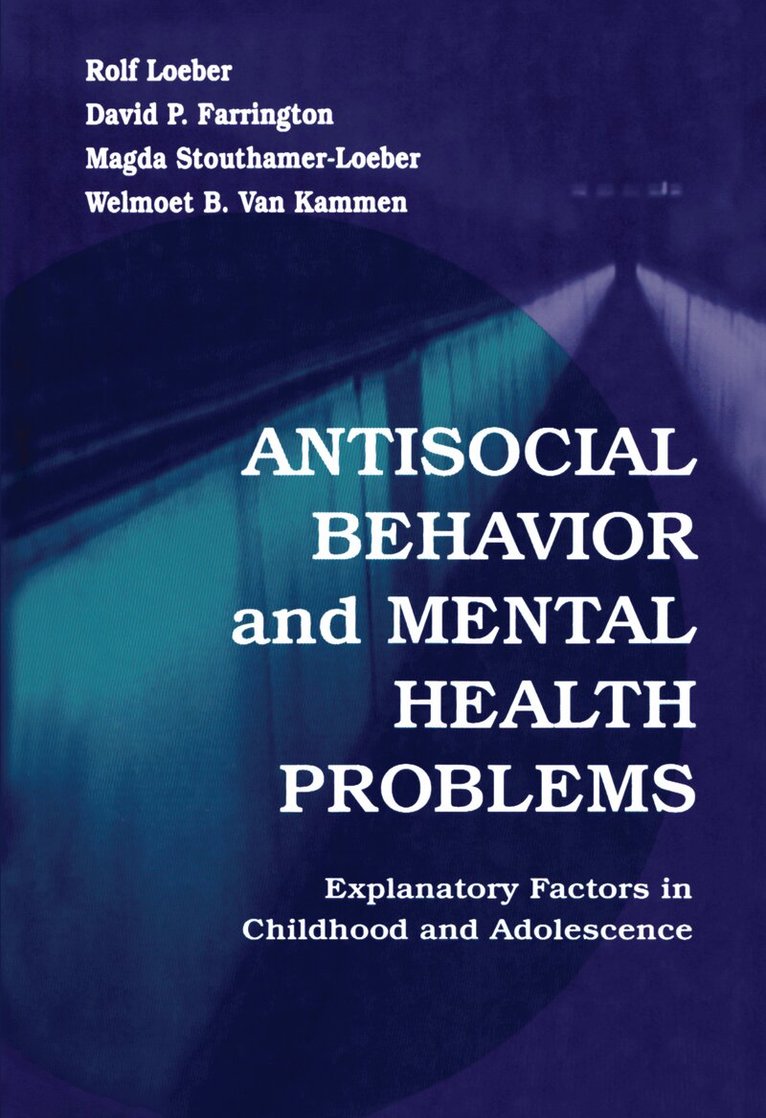
Epidemiological surveys have provided key information about the prevalence and degree of seriousness at different ages of a wide array of problem behaviors such as delinquency, substance use, early sexual involvement, and mental health disorders. Knowledge of the extent of these problems and changes in their course over time is important. In its absence, interventions and health planning in general can be difficult. Understanding which risk and protective factors are relevant to which problem behaviors is also essential for the formulation of theories that constitute the basis of intervention. This book draws on the results of the major Pittsburgh Youth Study complemented by follow-up tracking of juvenile court records for more than six years, to address the following questions: *What is the prevalence and age of onset of delinquency, substance use, and early sexual behavior for three samples of boys age 8, 11, and 14? What are the average mental health problems for these ages? How strong are the relationships among these problem behaviors in each of the samples? *Which variables best explain individual differences among the boys in their manifestations of delinquency, substance use, early sexual behavior, and mental health problems? To what extent do explanatory factors vary with age? How accurately can boys with different outcomes be identified by risk scores based on hierarchical multiple regressions? *To what extent are explanatory factors associated with one outcome that are also associated with other outcomes? Are explanatory factors that are especially characteristic of a multiproblem group of boys--who display many different problem behaviors--different from explanatory factors associated with boys with few problems? *Do the results fit a general theory of juvenile problem behaviors, or is a differentiated theory more applicable?
750 kr
Skickas inom 10-15 vardagar
944 kr
Skickas inom 10-15 vardagar
788 kr
Skickas inom 10-15 vardagar
734 kr
Skickas inom 10-15 vardagar
906 kr
Läs direkt efter köp
903 kr
Läs direkt efter köp
997 kr
Läs direkt efter köp
955 kr
Läs direkt efter köp
2 311 kr
Skickas inom 10-15 vardagar
1 060 kr
Skickas inom 10-15 vardagar
1 502 kr
Läs direkt efter köp
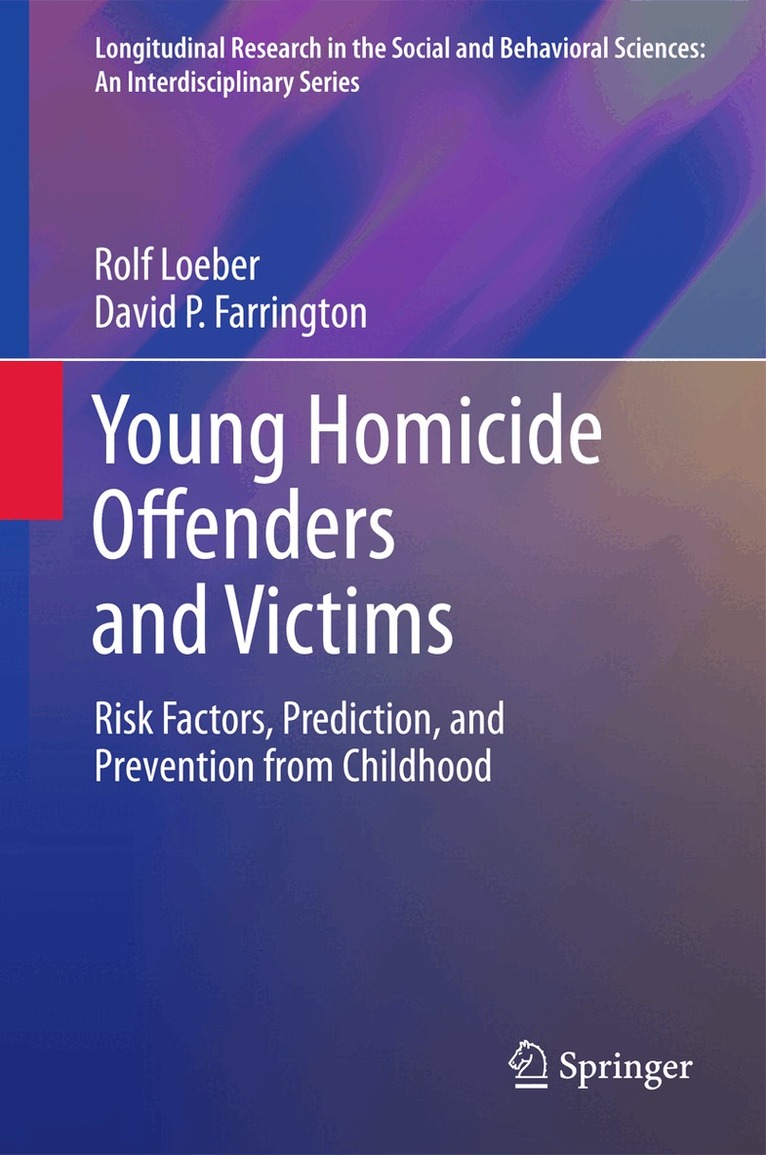
The first decade of the new century proved to be a deadly one for many children and young people in the United States. Despite increased policing on the streets, higher rates of incarceration, harsher sentencing, stricter control of illegal drugs, and attempts to reduce access to firearms, FBI reports show that more than 7,300 young people between the ages of 15 and 29 were murdered in 2008 alone. It’s clear that traditional crime reduction strategies have not stemmed the rising tide of homicides perpetrated by and upon one of society’s most vulnerable populations. Innovative, practicable solutions are needed to staunch this lethal trend.
Based on the findings of a unique longitudinal study, Young Homicide Offenders and Victims: Risk Factors, Prediction, and Prevention from Childhood now provides experts with unprecedented analysis of prospectively collected data on 1,517 boys and young men who grew up in Pittsburgh, Pennsylvania. Following these males from childhood into early adulthood, examining their lives and the conditions under which they grew up in a representative mid-sized American city, the study forms the basis of this unique volume designed to stimulate debate on key questions of prevention and intervention as well as dispel popular myths about the childhood and adolescent features of homicide offenders and homicide victims.
Key areas of coverage include:
Early childhood risk factors of young homicide offenders and victims. Insights into homicide offenders’ lives as told in their own words.The effectiveness of screening for at-risk youth. Risk factor–based prevention and intervention strategies.The impact of interventions on homicide rates.Policy implications at the local, state, and national levels.Young Homicide Offenders and Victims: Risk Factors, Prediction, and Prevention from Childhood is essential reading for researchers,practitioners, and policy makers across the fields of juvenile justice and criminology, developmental psychology, sociology, psychiatry, public health, and policy making.
-------
“This book changes the game in violence research … The analysis is masterful, the prose is readable, and the achievement is nothing short of stunning.”Richard Rosenfeld, Ph.D. / Curators Professor of Criminology and Criminal Justice, University of Missouri-St. Louis
“This book will stand the test of time as a landmark homicide study.”James C. Howell, Ph.D. / Senior Research Associate, National Gang Center
“This is a fascinating, pioneering book … The authors’ sophisticated analyses demonstrate convincingly the considerable value of prospective longitudinal data for enhancing our understanding of the etiology and control of lethal violence.”Steven F. Messner, Ph.D. / Distinguished Teacher Professor, Department of Sociology, University at Albany, SUNY / President, American Society of Criminology
1 052 kr
Skickas inom 10-15 vardagar
586 kr
Skickas inom 10-15 vardagar
775 kr
Läs direkt efter köp
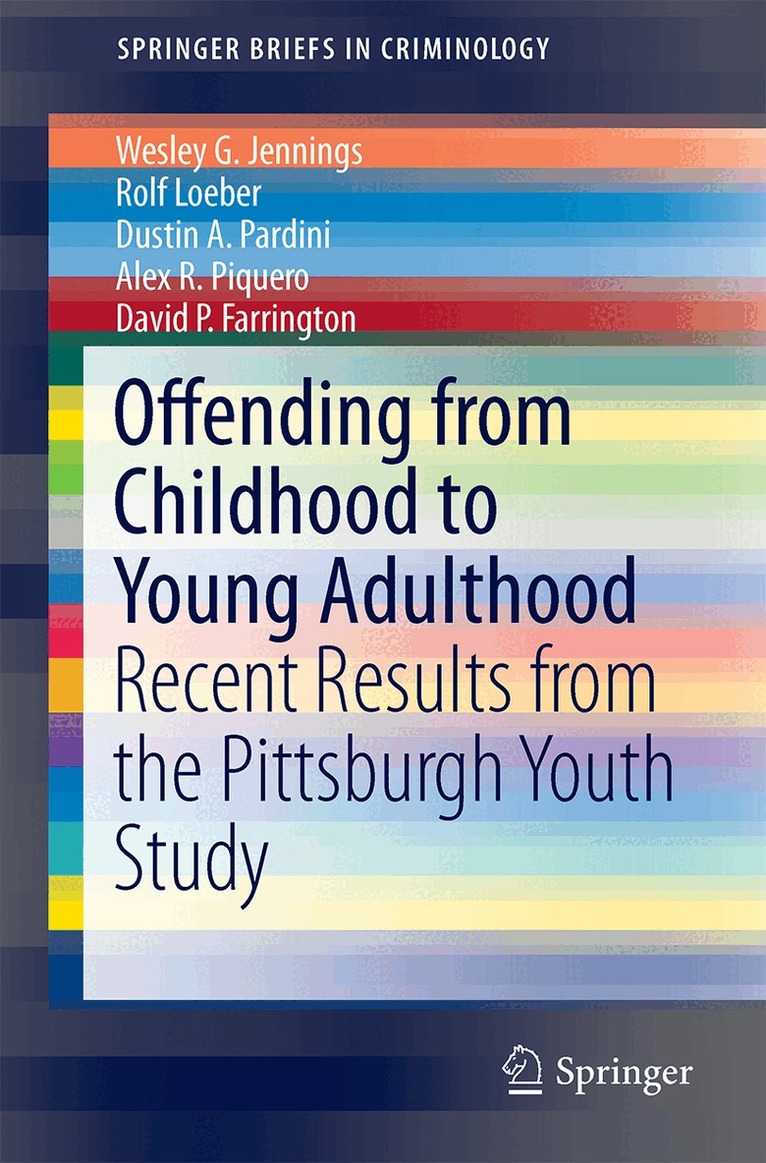
This Brief examines criminal careers by providing the most extensive and comprehensive investigation to date on the official offending, self-reported offending, and trajectories of offending of the Pittsburgh Youth Study (PYS) participants. The PYS is a longitudinal study, which was initiated in 1987, and involves repeated follow-ups on several community cohorts (starting in grades 1, 4, and 7) of inner-city boys in Pittsburgh, Pennsylvania. This Brief covers the Youngest and Oldest PYS cohorts (which had the most follow-up and most data available) from ages 10-30. It provides the most complete descriptive analyses of the criminal careers of these males to date.
The three cohorts are commonly referred to as the Youngest, Middle, and Oldest cohorts, respectively. Consistent with several prior publications with the PYS data (Loeber et al., 2008), this book focuses only on data from the Youngest and Oldest cohorts as these cohorts were followedup the most frequently and have the longest time window of data available.
It will be of interest to researchers in Criminology and Criminal Justice, as well as related fields like Sociology, Developmental Psychology, Social Policy, and Education.