Häftad, Engelska, 2020
169 kr
Skickas
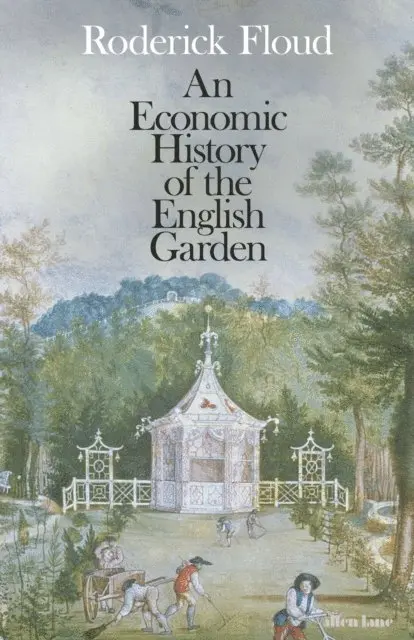
'Roderick Floud's ground-breaking study of the history, money, places and personalities involved in British gardens over the past 350 years gives fascinating insight into why gardening is part of this country's soul.' Michael Heseltine, Deputy Prime Minister (1996-1997)'Thousands of books have been written about the history of British gardens but Roderick Floud, one of Britain's most distinguished economic historians, asks new and important questions: how much did gardens cost to build and maintain, and where did the money come from? Superbly researched, it is full of information which will surprise both economists and gardeners. The book is fun as well as edifying: Floud shows us gardens grand and humble, and introduces us gardeners, plantsmen and technologies in wonderful varieties.' Jane Humphries, Centennial Professor, London School of EconomicsAt least since the seventeenth century, most of the English population have been unable to stop making, improving and dreaming of gardens. Yet in all the thousands of books about them, this is the first to address seriously the question of how much gardens and gardening have cost, and to work out the place of gardens in the economic, as well as the horticultural, life of the nation. It is a new kind of gardening history.Beginning with the Restoration of Charles II in 1660, Roderick Floud describes the role of the monarchy and central and local government in creating gardens, as well as that of the (generally aristocratic or plutocratic) builders of the great gardens of Stuart, Georgian and Victorian England. He considers the designers of these gardens as both artists and businessmen - often earning enormous sums by modern standards, matched by the nurserymen and plant collectors who supplied their plants. He uncovers the lives and rewards of working gardeners, the domestic gardens that came with the growth of suburbs and the impact of gardening on technical developments from man-made lakes to central heating.AN ECONOMIC HISTORY OF THE ENGLISH GARDEN shows the extraordinary commitment of money as well as time that the English have made to gardens and gardening over three and a half centuries. It reveals the connections of our gardens to the re-establishment of the English monarchy, the national debt, transport during the Industrial Revolution, the new industries of steam, glass and iron, and the built environment that is now all around us. It is a fresh perspective on the history of England and will open the eyes of gardeners - and garden visitors - to an unexpected dimension of what they do.