975 kr
Skickas inom 10-15 vardagar
975 kr
Skickas inom 10-15 vardagar
1 063 kr
Skickas inom 10-15 vardagar
1 418 kr
Läs direkt efter köp
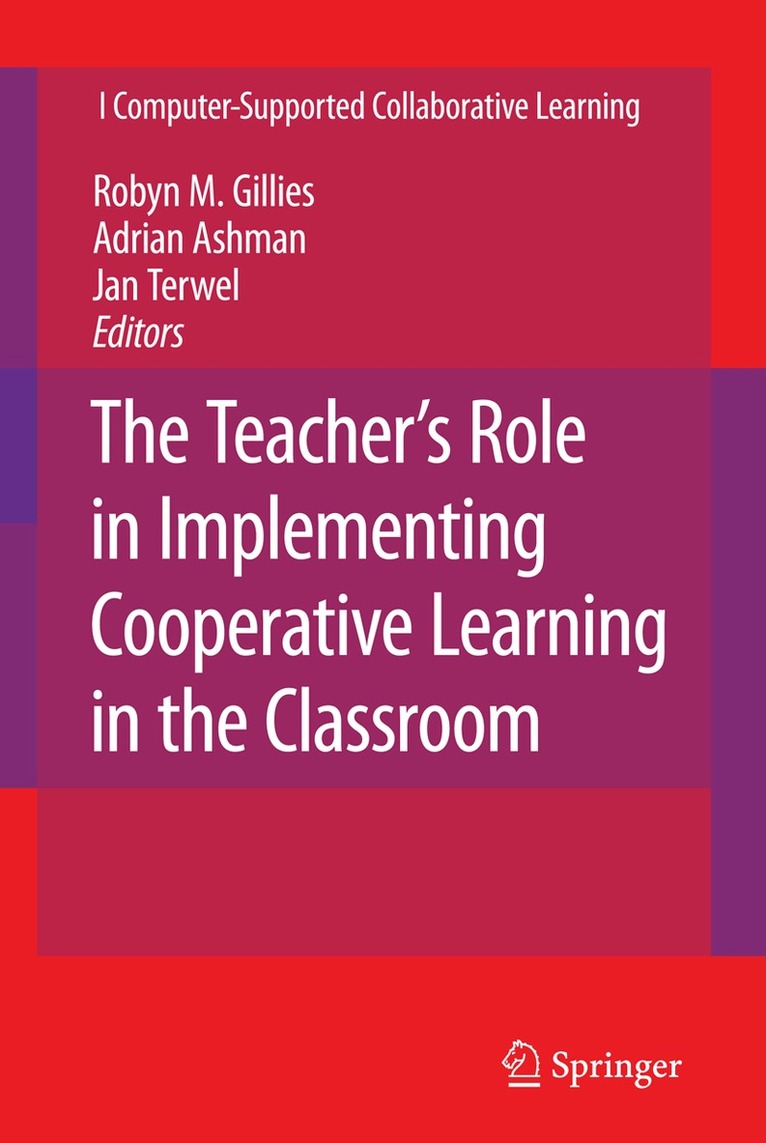
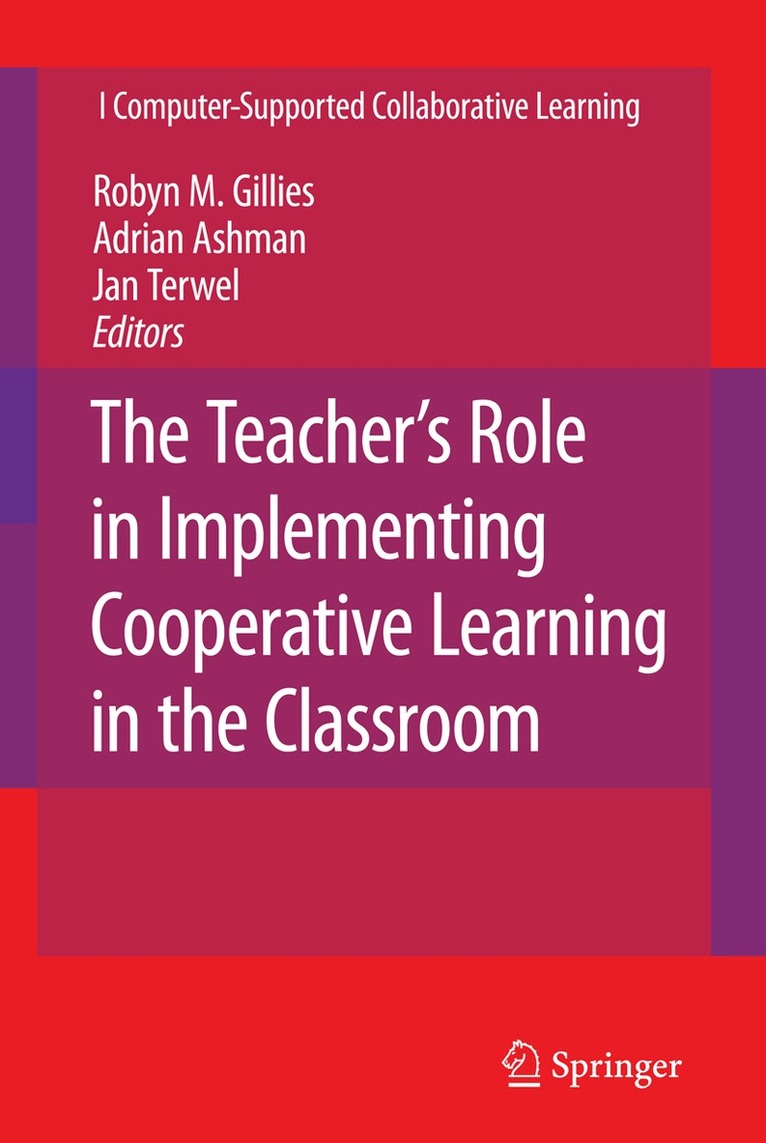
Cooperative learning is widely endorsed as a pedagogical practice that promotes student learning. Recently, the research focus has moved to the role of teachers’ discourse during cooperative learning and its effects on the quality of group discussions and the learning achieved. However, although the benefits of cooperative learning are well documented, implementing this pedagogical practice in classrooms is a challenge that many teachers have difficulties accomplishing.
Difficulties may occur because teachers often do not have a clear understanding of the basic tenets of cooperative learning and the research and theoretical perspectives that have informed this practice and how they translate into practical applications that can be used in their classrooms. In effect, what do teachers need to do to affect the benefits widely documented in research?
A reluctance to embrace cooperative learning may also be due to the challenge it poses to teachers’ control of the learning process, the demands it places on classroom organisational changes, and the personal commitments teachers need to make to sustain their efforts. Moreover, a lack of understanding of the key role teachers need to play in embedding cooperative learning into the curricula to foster open communication and engagement among teachers and students, promote cooperative investigation and problem-solving, and provide students with emotionally and intellectually stimulating learning environments may be another contributing factor.
The Teacher''s Role in Implementing Cooperative Learning in the Classroom provides readers with a comprehensive overview of these issues with clear guidelines on how teachers can embed cooperative learning into their classroom curricula to obtain the benefits widely attributed to this pedagogical practice. It does so by using language that is appropriate for both novice and experienced educators. The volume provides: an overviewof the major research and theoretical perspectives that underpin the development of cooperative learning pedagogy; outlines how specific small group experiences can promote thinking and learning; discusses the key role teachers play in promoting student discourse; and, demonstrates how interaction style among students and teachers is crucial in facilitating discussion and learning. The collection of chapters includes many practical illustrations, drawn from the contributors’ own research of how teachers can use cooperative learning pedagogy to facilitate thinking and learning among students across different educational settings.
379 kr
Läs direkt efter köp
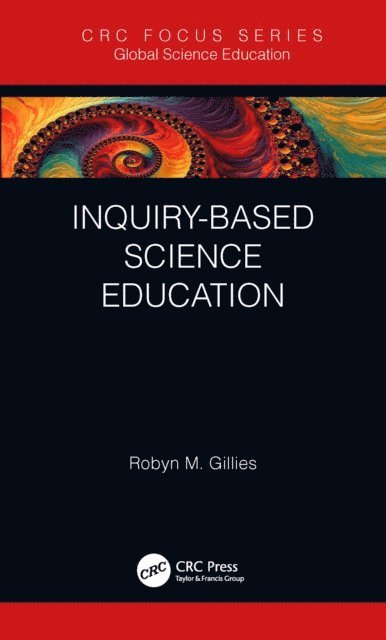
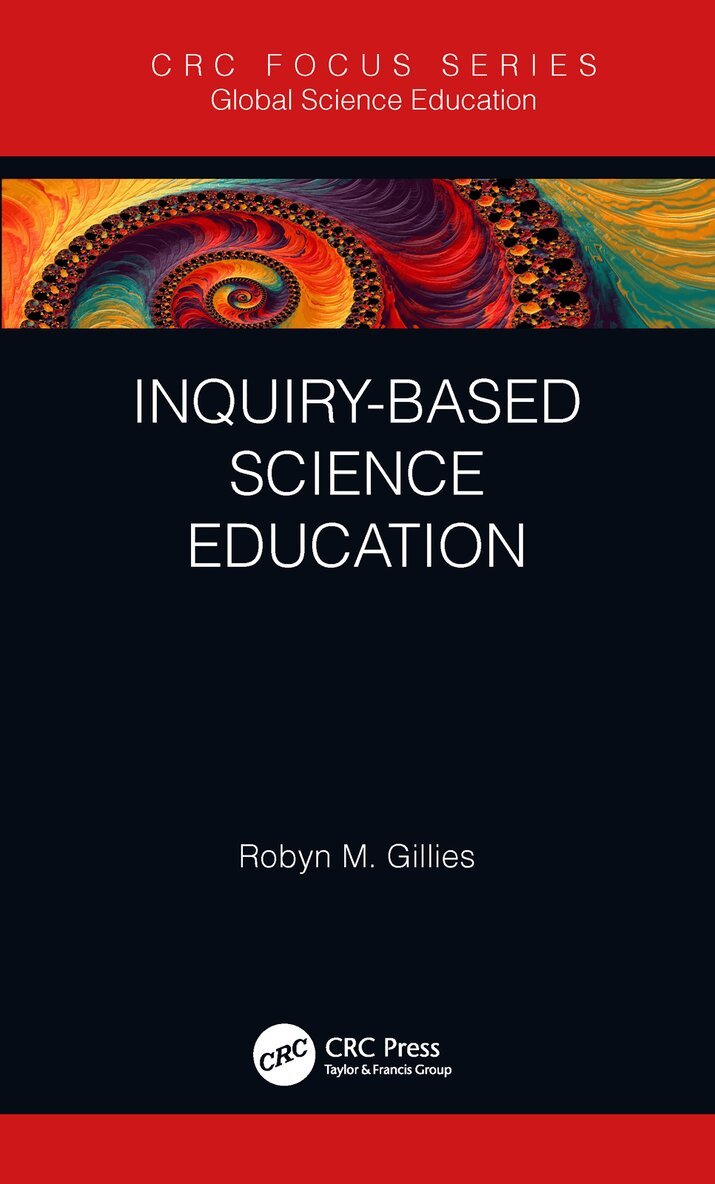
Students often think of science as disconnected pieces of information rather than a narrative that challenges their thinking, requires them to develop evidence-based explanations for the phenomena under investigation, and communicate their ideas in discipline-specific language as to why certain solutions to a problem work. The author provides teachers in primary and junior secondary school with different evidence-based strategies they can use to teach inquiry science in their classrooms. The research and theoretical perspectives that underpin the strategies are discussed as are examples of how different ones areimplemented in science classrooms to affect student engagement and learning.
Key Features:
Presents processes involved in teaching inquiry-based science
Discusses importance of multi-modal representations in teaching inquiry based-science
Covers ways to develop scientifically literacy
Uses the Structure of Observed learning Outcomes (SOLO) Taxonomy to assess student reasoning, problem-solving and learning
Presents ways to promote scientific discourse, including teacher-student interactions, student-student interactions, and meta-cognitive thinking
370 kr
Läs direkt efter köp
Students often think of science as disconnected pieces of information rather than a narrative that challenges their thinking, requires them to develop evidence-based explanations for the phenomena under investigation, and communicate their ideas in discipline-specific language as to why certain solutions to a problem work. The author provides teachers in primary and junior secondary school with different evidence-based strategies they can use to teach inquiry science in their classrooms. The research and theoretical perspectives that underpin the strategies are discussed as are examples of how different ones areimplemented in science classrooms to affect student engagement and learning.
Key Features:
Presents processes involved in teaching inquiry-based science
Discusses importance of multi-modal representations in teaching inquiry based-science
Covers ways to develop scientifically literacy
Uses the Structure of Observed learning Outcomes (SOLO) Taxonomy to assess student reasoning, problem-solving and learning
Presents ways to promote scientific discourse, including teacher-student interactions, student-student interactions, and meta-cognitive thinking
708 kr
Läs direkt efter köp
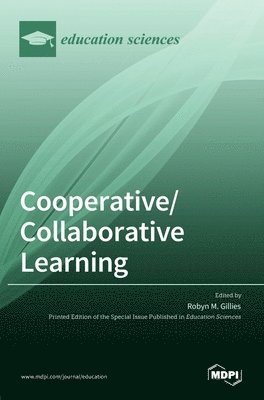
This volume captures contemporary global developments in cooperative learning (CL) across varied educational contexts, levels, and disciplines.
Cooperative learning is widely recognized as a pedagogical practice that promotes socialization and learning among students, from kindergarten to tertiary education and across different subject domains. With chapters from contributors throughout the Global North and South, this comprehensive volume offers a wide-ranging perspective and addresses a range of cooperative learning pedagogies including relational, online, and peer learning, STAD, the Jigsaw model, and dialogic talk. The chapters draw on novel empirical research and theory to highlight best practices in cooperative learning, whilst also considering the challenges, limitations, and factors which drive or inhibit learner engagement and success. Consistent attention is given to the pivotal role of the educator in implementing cooperative learning to maximum benefit to enhance students’ affective, social, cognitive, and metacognitive learning.
Thus, this book will appeal to scholars and researchers across a variety of subjects; and will provide an additional benefit to in-service and pre-service educators who already practice cooperative learning in their classrooms, as well as those who are interested in implementing the model.
724 kr
Läs direkt efter köp
This volume captures contemporary global developments in cooperative learning (CL) across varied educational contexts, levels, and disciplines.
Cooperative learning is widely recognized as a pedagogical practice that promotes socialization and learning among students, from kindergarten to tertiary education and across different subject domains. With chapters from contributors throughout the Global North and South, this comprehensive volume offers a wide-ranging perspective and addresses a range of cooperative learning pedagogies including relational, online, and peer learning, STAD, the Jigsaw model, and dialogic talk. The chapters draw on novel empirical research and theory to highlight best practices in cooperative learning, whilst also considering the challenges, limitations, and factors which drive or inhibit learner engagement and success. Consistent attention is given to the pivotal role of the educator in implementing cooperative learning to maximum benefit to enhance students’ affective, social, cognitive, and metacognitive learning.
Thus, this book will appeal to scholars and researchers across a variety of subjects; and will provide an additional benefit to in-service and pre-service educators who already practice cooperative learning in their classrooms, as well as those who are interested in implementing the model.
1 254 kr
Skickas
616 kr
Skickas inom 10-15 vardagar
319 kr
Skickas inom 10-15 vardagar
2 419 kr
Skickas inom 10-15 vardagar
736 kr
Skickas inom 10-15 vardagar
850 kr
Läs direkt efter köp
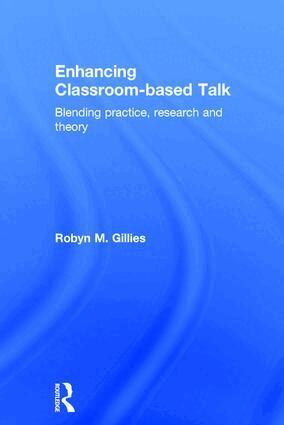
Enhancing Classroom-based Talk provides an overview of the major research and theoretical perspectives that underpin the development of classroom-based talk. It outlines specific dialogic strategies and elaborates on the key role that teachers play in promoting interactions, challenging thinking and scaffolding the learning of students.
While it is important to know how different dialogic approaches can enhance students’ interactions and learning and the effects they have on students’ social, emotional and cognitive development, it is also important to understand how students’ interactions promote understanding and learning during small group discussions. Throughout the book, teachers will be shown how to embed different dialogic approaches in their classrooms to promote discourse, with chapters covering:
Interest in classroom-based talk
The teacher’s role in promoting dialogue in the classroom
Dialogic approaches to teaching
Strategies to promote students’ interactions, thinking and learning
Help seeking and help giving behaviours
Creating environments that promote classroom-based talk
Enhancing Classroom-based Talk will be a valuable asset to all those concerned with promoting classroom-based talk, as well as postgraduate students, teachers and academics who are regularly called upon to assist in developing classroom interventions that provide for the academic and social needs of students.
869 kr
Läs direkt efter köp
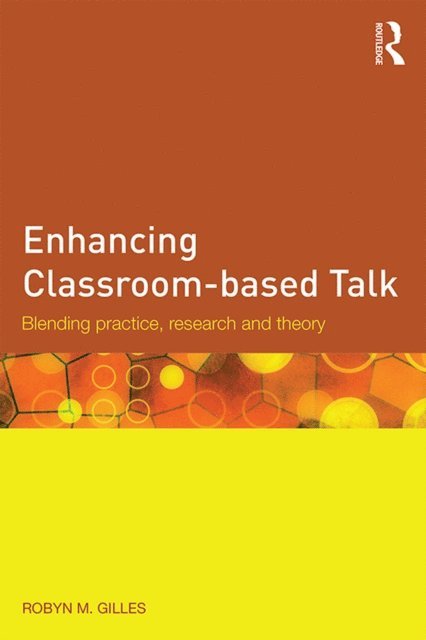
Enhancing Classroom-based Talk provides an overview of the major research and theoretical perspectives that underpin the development of classroom-based talk. It outlines specific dialogic strategies and elaborates on the key role that teachers play in promoting interactions, challenging thinking and scaffolding the learning of students.
While it is important to know how different dialogic approaches can enhance students’ interactions and learning and the effects they have on students’ social, emotional and cognitive development, it is also important to understand how students’ interactions promote understanding and learning during small group discussions. Throughout the book, teachers will be shown how to embed different dialogic approaches in their classrooms to promote discourse, with chapters covering:
Interest in classroom-based talk
The teacher’s role in promoting dialogue in the classroom
Dialogic approaches to teaching
Strategies to promote students’ interactions, thinking and learning
Help seeking and help giving behaviours
Creating environments that promote classroom-based talk
Enhancing Classroom-based Talk will be a valuable asset to all those concerned with promoting classroom-based talk, as well as postgraduate students, teachers and academics who are regularly called upon to assist in developing classroom interventions that provide for the academic and social needs of students.
2 304 kr
Skickas inom 3-6 vardagar
988 kr
Skickas
1 064 kr
Skickas inom 10-15 vardagar
562 kr
Skickas inom 7-10 vardagar
1 804 kr
Skickas inom 10-15 vardagar
2 293 kr
Läs direkt efter köp