763 kr
Läs direkt efter köp
763 kr
Läs direkt efter köp
561 kr
Skickas inom 10-15 vardagar
1 558 kr
Skickas inom 10-15 vardagar
514 kr
Skickas inom 10-15 vardagar
2 266 kr
Skickas
1 773 kr
Kommande
607 kr
Läs direkt efter köp
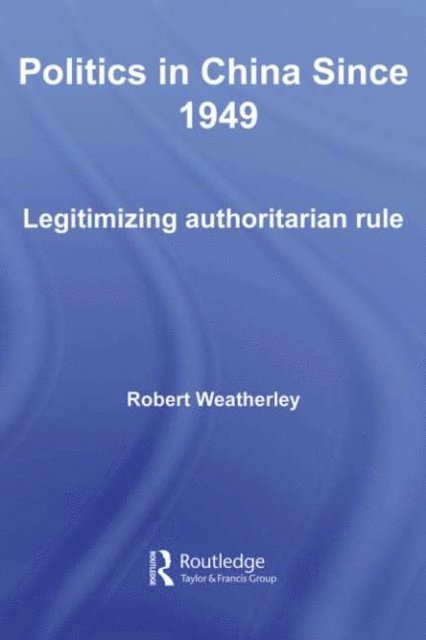
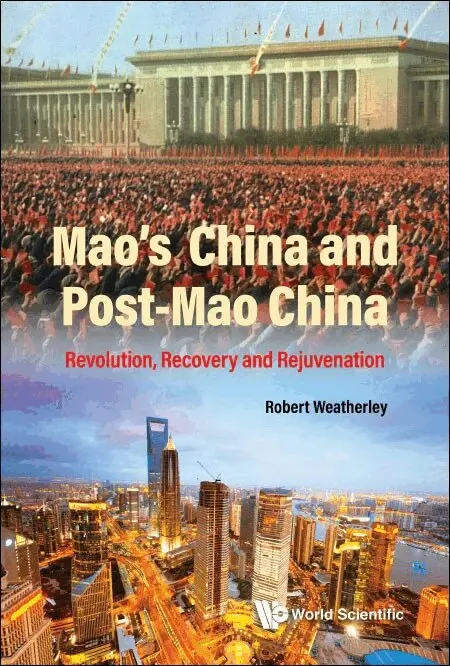
Since the victory of the 1949 revolution the incumbency of the Chinese Communist Party has been characterized by an almost relentless struggle to legitimize its monopoly on political power. During the Mao era, attempts to derive legitimacy focused primarily on mass participation in political affairs, a blend of Marxist and nationalist ideology, and the charismatic authority of Mao Zedong. The dramatic failure of the Cultural Revolution forced the post-Mao leadership to discard these discredited paradigms of legitimacy and move towards an almost exclusively performance based concept founded on market economic reform.
The reforms during the 1980s generated a number of unwelcome but inevitable side effects such as official corruption, high unemployment and significant socio-economic inequality. These factors culminated ultimately in the 1989 demonstrations in Tiananmen Square and throughout China. Since Tiananmen the party has sought to diversify the basis of its legitimacy by adhering more closely to constitutional procedures in decision making and, to a certain extent, by reinventing itself as a conservative nationalist party.
This probing study of post-communist revolution Chinese politics sets out to discover if there is a plausible alternative to the electoral mode or if legitimacy is the exclusive domain of the multi-party system.

593 kr
Läs direkt efter köp
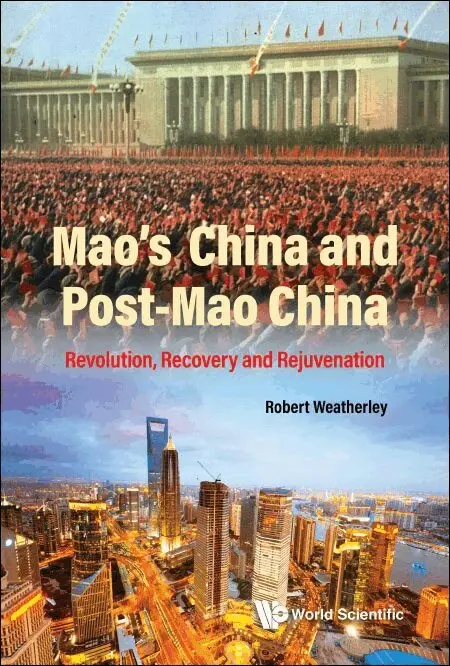
Since the victory of the 1949 revolution the incumbency of the Chinese Communist Party has been characterized by an almost relentless struggle to legitimize its monopoly on political power. During the Mao era, attempts to derive legitimacy focused primarily on mass participation in political affairs, a blend of Marxist and nationalist ideology, and the charismatic authority of Mao Zedong. The dramatic failure of the Cultural Revolution forced the post-Mao leadership to discard these discredited paradigms of legitimacy and move towards an almost exclusively performance based concept founded on market economic reform.
The reforms during the 1980s generated a number of unwelcome but inevitable side effects such as official corruption, high unemployment and significant socio-economic inequality. These factors culminated ultimately in the 1989 demonstrations in Tiananmen Square and throughout China. Since Tiananmen the party has sought to diversify the basis of its legitimacy by adhering more closely to constitutional procedures in decision making and, to a certain extent, by reinventing itself as a conservative nationalist party.
This probing study of post-communist revolution Chinese politics sets out to discover if there is a plausible alternative to the electoral mode or if legitimacy is the exclusive domain of the multi-party system.
1 222 kr
Skickas inom 10-15 vardagar
1 723 kr
Läs direkt efter köp
565 kr
Skickas inom 10-15 vardagar
1 846 kr
Skickas inom 3-6 vardagar
849 kr
Skickas