855 kr
Skickas inom 7-10 vardagar
855 kr
Skickas inom 7-10 vardagar
428 kr
Skickas inom 7-10 vardagar
367 kr
Skickas inom 7-10 vardagar
138 kr
Skickas inom 7-10 vardagar
368 kr
Skickas inom 7-10 vardagar
670 kr
Läs direkt efter köp
547 kr
Skickas inom 7-10 vardagar
500 kr
Skickas inom 7-10 vardagar
670 kr
Läs direkt efter köp
465 kr
Läs direkt efter köp
462 kr
Läs direkt efter köp
467 kr
Läs direkt efter köp
402 kr
Läs direkt efter köp
521 kr
Läs direkt efter köp
521 kr
Läs direkt efter köp
420 kr
Läs direkt efter köp
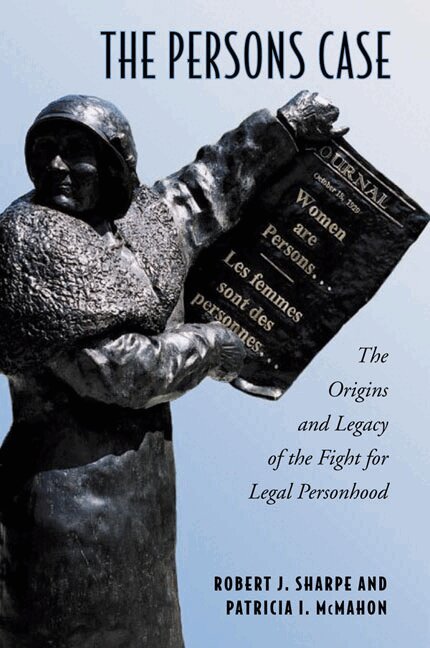
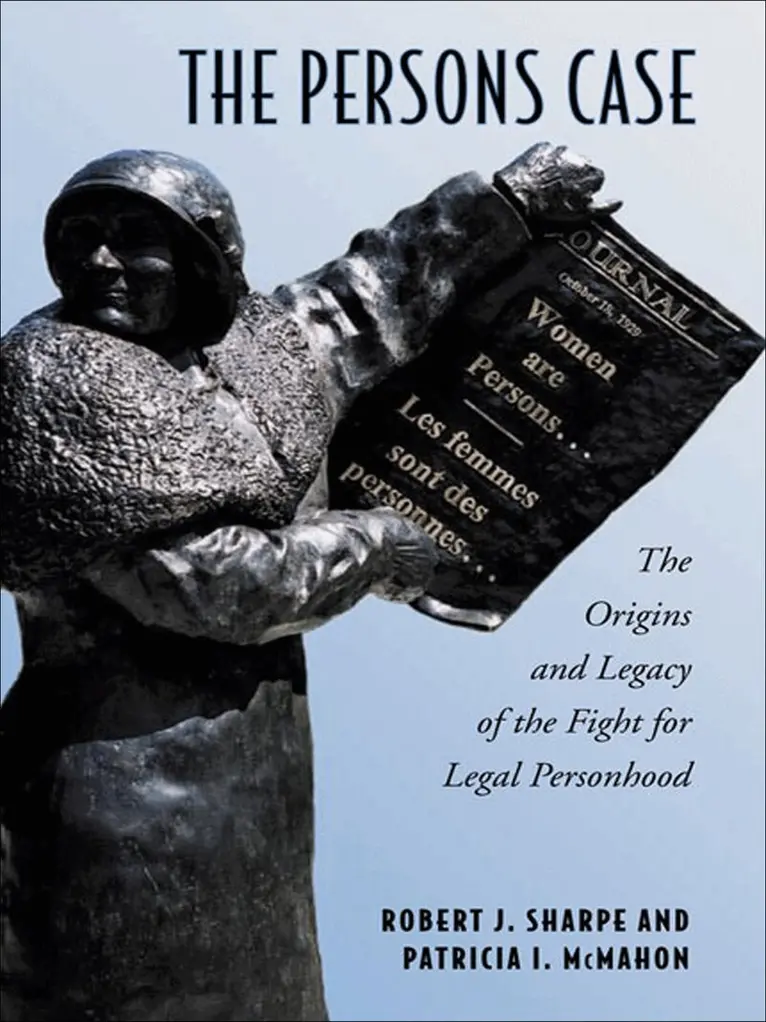
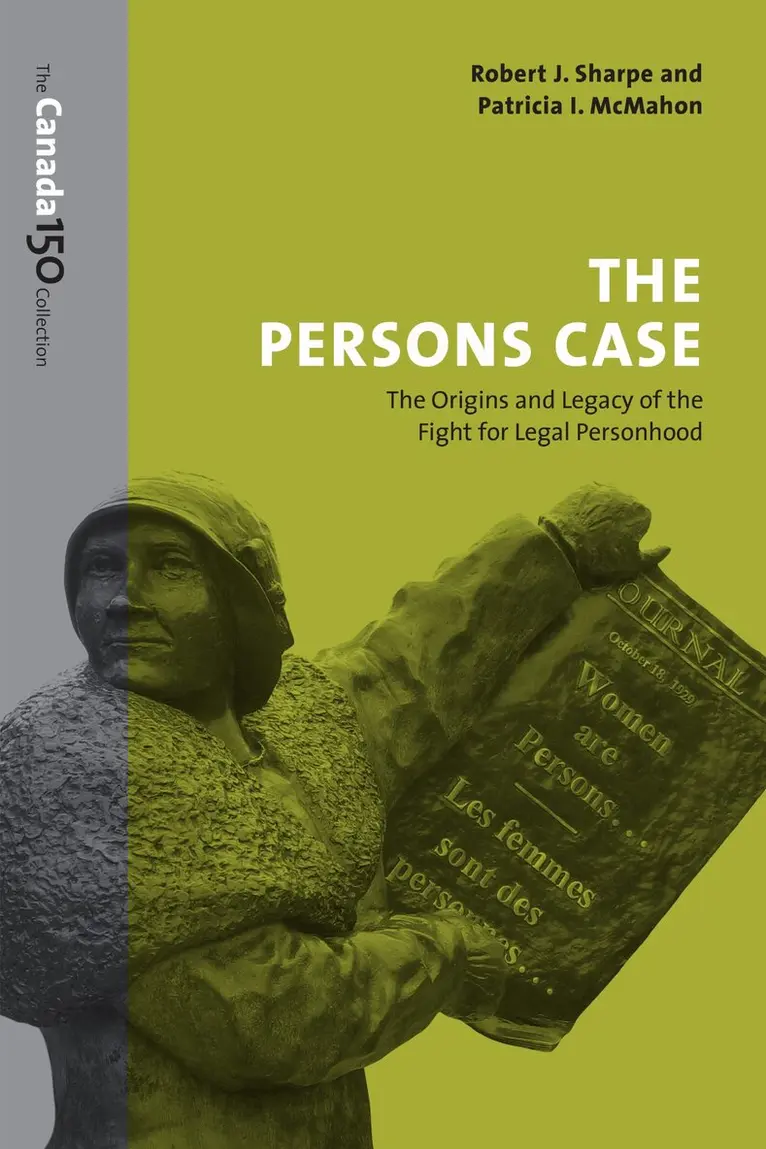
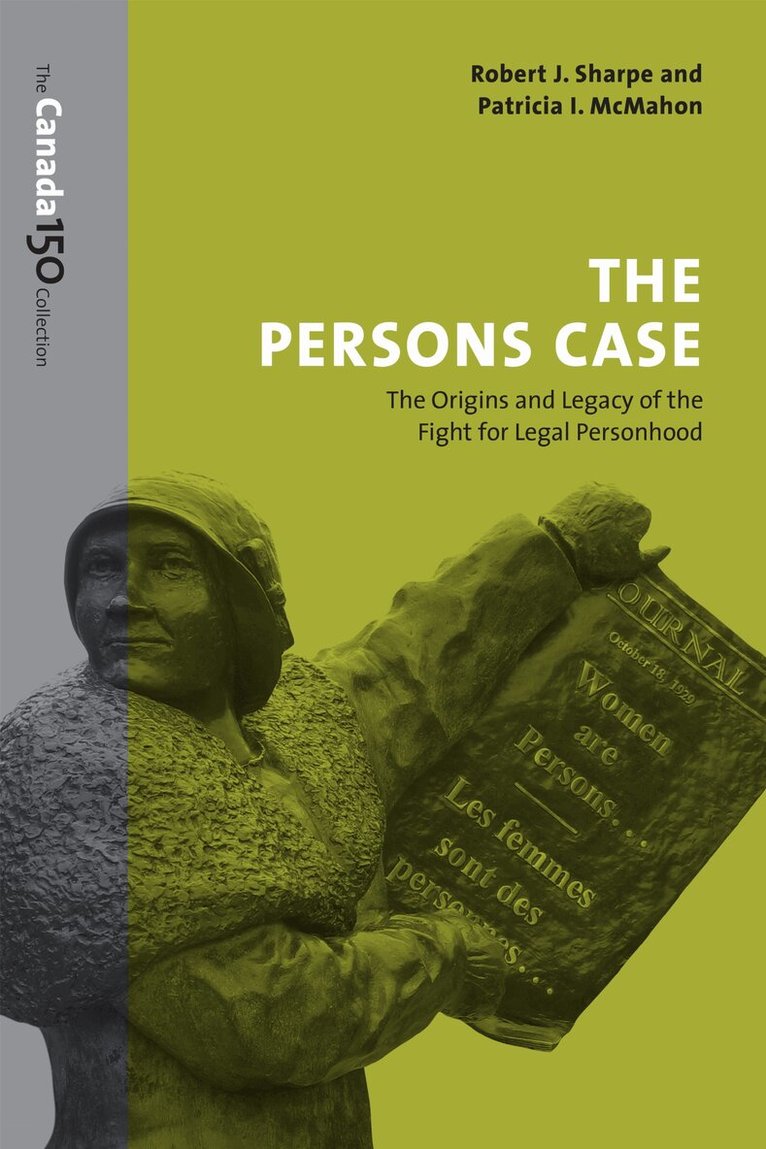
On 18 October 1929, John Sankey, England''s reform-minded Lord Chancellor, ruled in the Persons case that women were eligible for appointment to Canada''s Senate. Initiated by Edmonton judge Emily Murphy and four other activist women, the Persons case challenged the exclusion of women from Canada''s upper house and the idea that the meaning of the constitution could not change with time. The Persons Case considers the case in its political and social context and examines the lives of the key players: Emily Murphy, Nellie McClung, and the other members of the "famous five," the politicians who opposed the appointment of women, the lawyers who argued the case, and the judges who decided it.
Robert J. Sharpe and Patricia I. McMahon examine the Persons case as a pivotal moment in the struggle for women''s rights and as one of the most important constitutional decisions in Canadian history. Lord Sankey''s decision overruled the Supreme Court of Canada''s judgment that the courts could not depart from the original intent of the framers of Canada''s constitution in 1867. Describing the constitution as a "living tree," the decision led to a reassessment of the nature of the constitution itself. After the Persons case, it could no longer be viewed as fixed and unalterable, but had to be treated as a document that, in the words of Sankey, was in "a continuous process of evolution."
The Persons Case is a comprehensive study of this important event, examining the case itself, the ruling of the Privy Council, and the profound affect that it had on women''s rights and the constitutional history of Canada.
514 kr
Läs direkt efter köp
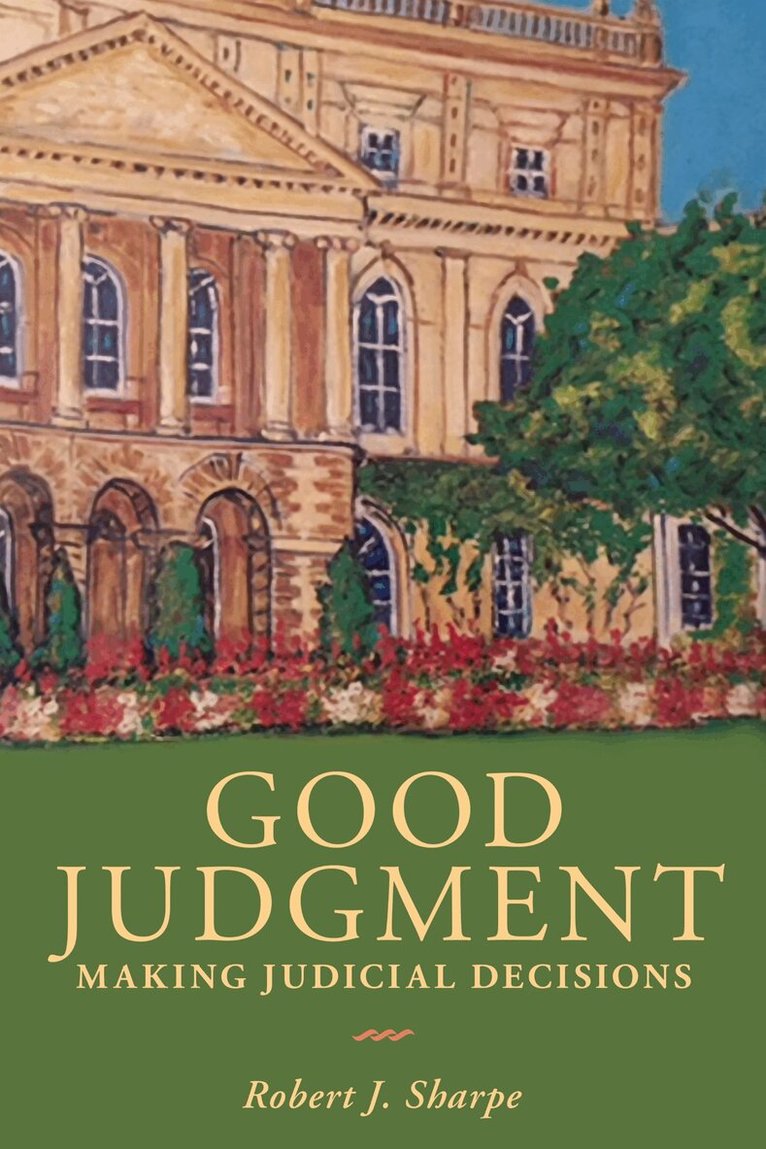
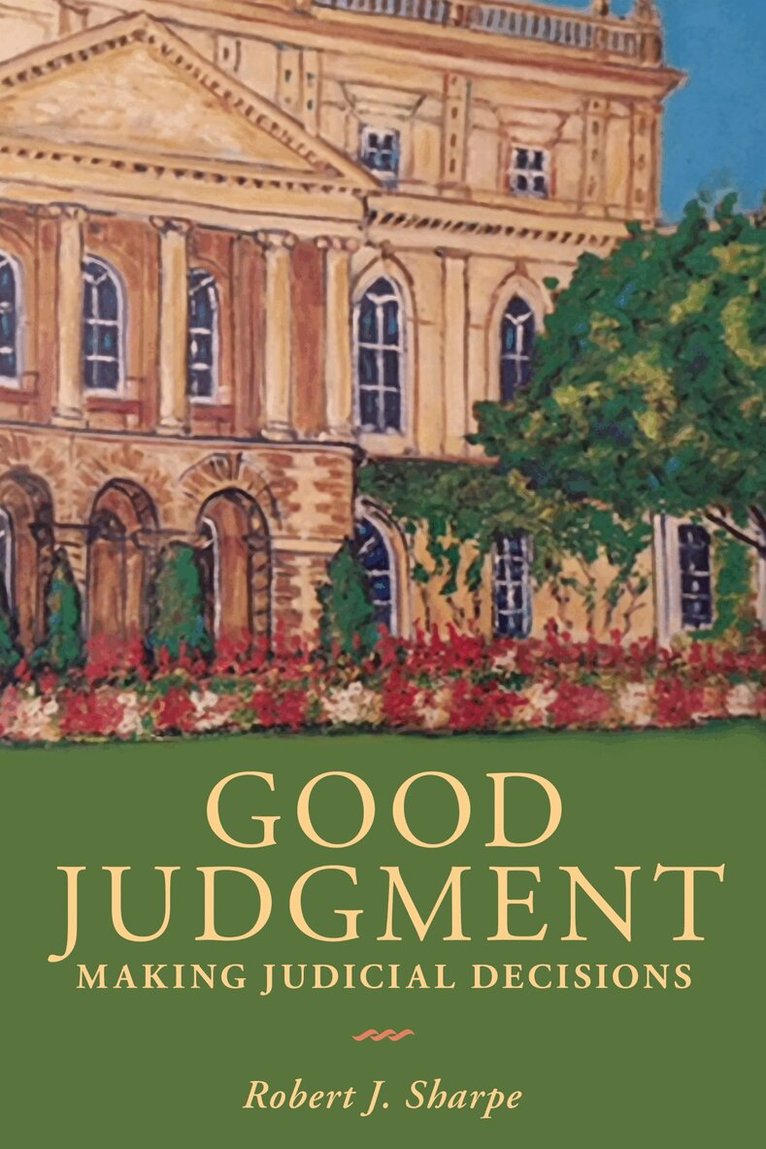
Good Judgment, based upon the author''s experience as a lawyer, law professor, and judge, explores the role of the judge and the art of judging. Engaging with the American, English, and Commonwealth literature on the role of the judge in the common law tradition, Good Judgment addresses the following questions: What exactly do judges do? What is properly within their role and what falls outside? How do judges approach their decision-making task?
In an attempt to explain and reconcile two fundamental features of judging, namely judicial choice and judicial discipline, this book explores the nature and extent of judicial choice in the common law legal tradition and the structural features of that tradition that control and constrain that element of choice. As Sharpe explains, the law does not always provide clear answers, and judges are often left with difficult choices to make, but the power of judicial choice is disciplined and constrained and judges are not free to decide cases according to their own personal sense of justice.
Although Good Judgment is accessibly written to appeal to the non-specialist reader with an interest in the judicial process, it also tackles fundamental issues about the nature of law and the role of the judge and will be of particular interest to lawyers, judges, law students, and legal academics.
525 kr
Läs direkt efter köp
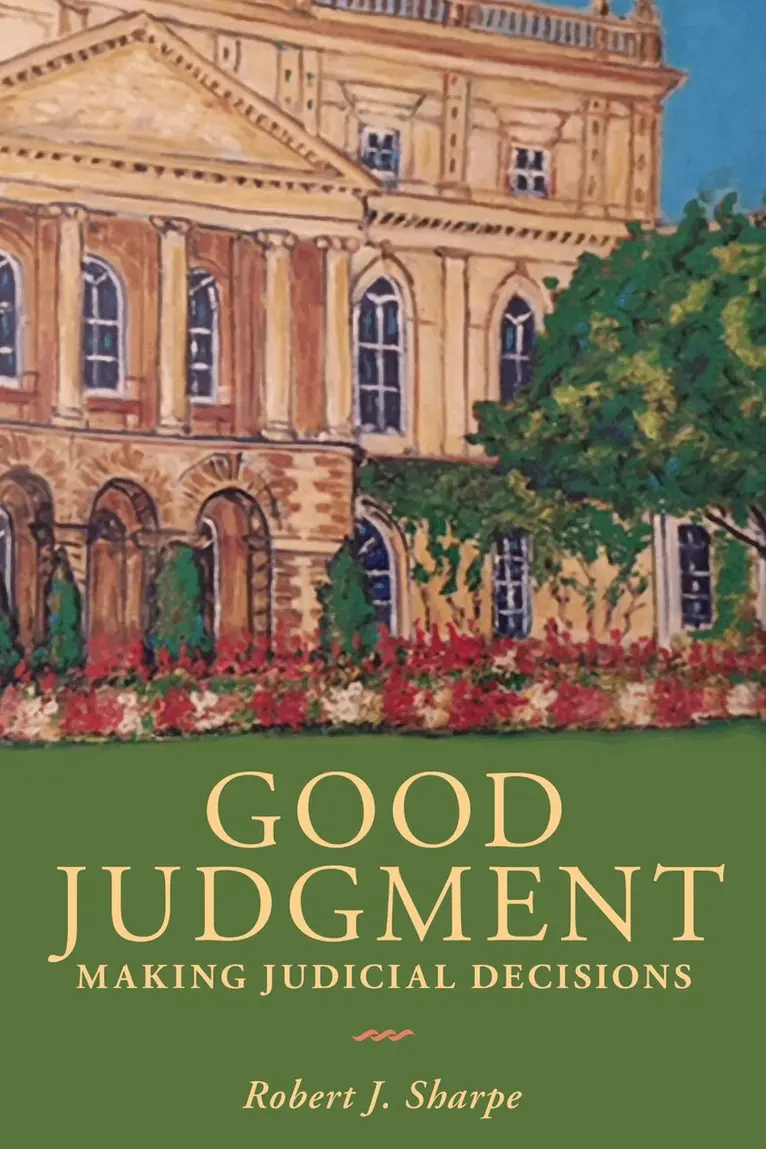
Good Judgment, based upon the author''s experience as a lawyer, law professor, and judge, explores the role of the judge and the art of judging. Engaging with the American, English, and Commonwealth literature on the role of the judge in the common law tradition, Good Judgment addresses the following questions: What exactly do judges do? What is properly within their role and what falls outside? How do judges approach their decision-making task?
In an attempt to explain and reconcile two fundamental features of judging, namely judicial choice and judicial discipline, this book explores the nature and extent of judicial choice in the common law legal tradition and the structural features of that tradition that control and constrain that element of choice. As Sharpe explains, the law does not always provide clear answers, and judges are often left with difficult choices to make, but the power of judicial choice is disciplined and constrained and judges are not free to decide cases according to their own personal sense of justice.
Although Good Judgment is accessibly written to appeal to the non-specialist reader with an interest in the judicial process, it also tackles fundamental issues about the nature of law and the role of the judge and will be of particular interest to lawyers, judges, law students, and legal academics.
330 kr
Skickas inom 7-10 vardagar
408 kr
Skickas inom 7-10 vardagar
471 kr
Skickas inom 7-10 vardagar
939 kr
Skickas inom 7-10 vardagar
706 kr
Skickas inom 7-10 vardagar