633 kr
Skickas inom 10-15 vardagar
633 kr
Skickas inom 10-15 vardagar
2 455 kr
Skickas inom 10-15 vardagar
768 kr
Läs direkt efter köp
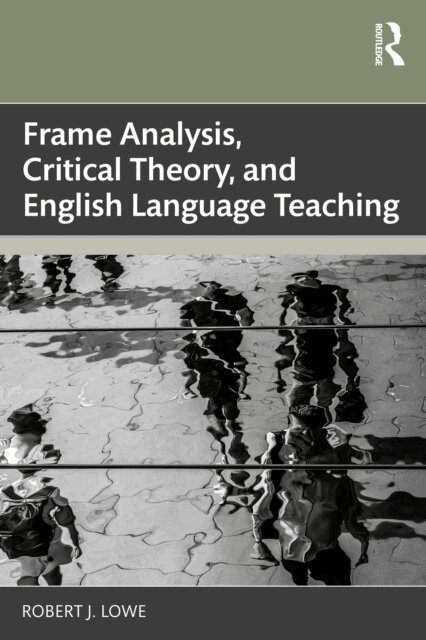
In this book, Robert J. Lowe introduces frame analysis, a qualitative research approach grounded in the critical theory of the early Frankfurt School and framing in the social sciences. Lowe sets out the principles of the frame analysis approach and provides a guide to conducting this kind of research in practice.
Focused on identifying and challenging ideology through immanent critique, Lowe presents a methodological guide and research report. He begins by explaining early critical theory and the frame analysis approach, followed by a detailed example of its application. This example illustrates the key stages: identifying participants'' ideological presuppositions through their “master framing,” questioning the internal logic of this framing, and presenting contradictions to participants. Finally, the researcher observes reactions and documents emerging counter-framing, marking the first signs of resistance to dominant ideology.
By applying this approach to issues in English language teaching, the book questions some of the ways in which the rhetoric of pluralism and diversity around English as an international language may stand at odds with the realities of a world in which some varieties of the language have more prestige than others. Through the frame analysis approach, the author suggests that researchers can play a role in empowering language learners and users to advocate for a world in which they can take true ownership of the language. Key reading for all qualitative researchers and advanced students in applied linguistics, sociolinguistics, ELT/TESOL and linguistic anthropology.
785 kr
Läs direkt efter köp
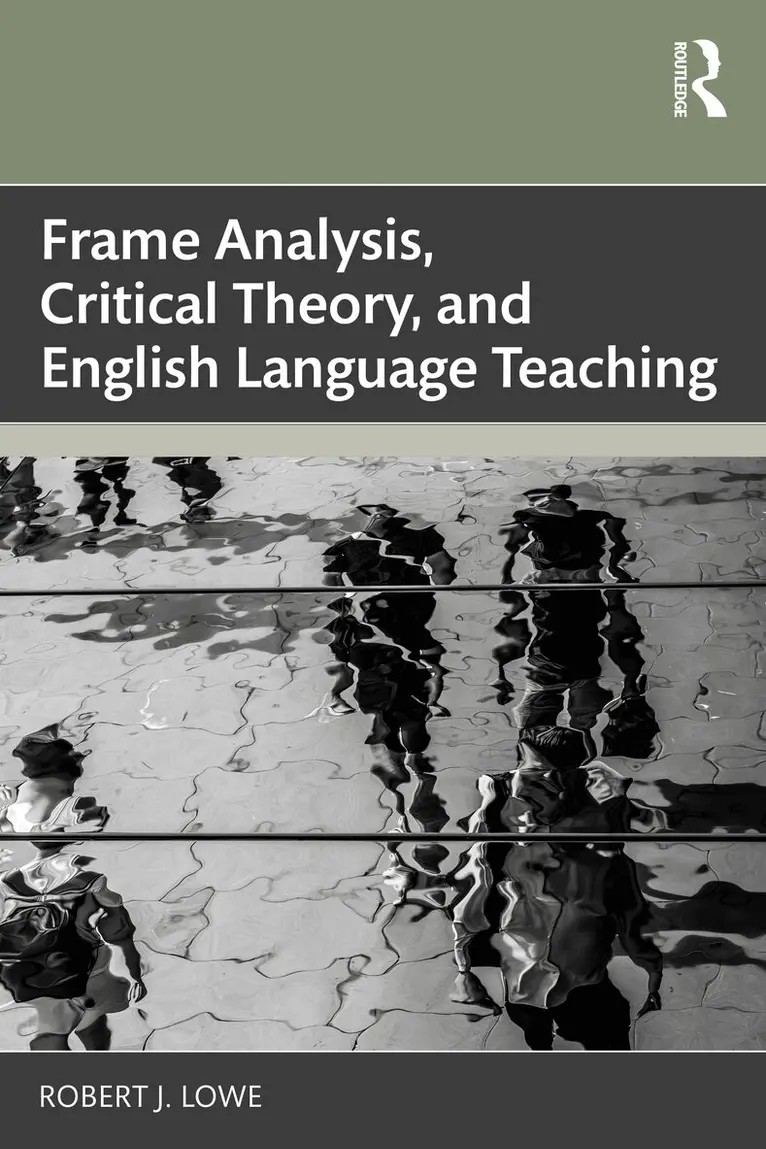
In this book, Robert J. Lowe introduces frame analysis, a qualitative research approach grounded in the critical theory of the early Frankfurt School and framing in the social sciences. Lowe sets out the principles of the frame analysis approach and provides a guide to conducting this kind of research in practice.
Focused on identifying and challenging ideology through immanent critique, Lowe presents a methodological guide and research report. He begins by explaining early critical theory and the frame analysis approach, followed by a detailed example of its application. This example illustrates the key stages: identifying participants'' ideological presuppositions through their “master framing,” questioning the internal logic of this framing, and presenting contradictions to participants. Finally, the researcher observes reactions and documents emerging counter-framing, marking the first signs of resistance to dominant ideology.
By applying this approach to issues in English language teaching, the book questions some of the ways in which the rhetoric of pluralism and diversity around English as an international language may stand at odds with the realities of a world in which some varieties of the language have more prestige than others. Through the frame analysis approach, the author suggests that researchers can play a role in empowering language learners and users to advocate for a world in which they can take true ownership of the language. Key reading for all qualitative researchers and advanced students in applied linguistics, sociolinguistics, ELT/TESOL and linguistic anthropology.
257 kr
Skickas inom 7-10 vardagar
Research, Reflection and Classroom Application
602 kr
Skickas inom 7-10 vardagar
Research, Reflection and Classroom Application
1 923 kr
Skickas inom 7-10 vardagar
Identifying the 'Native Speaker' Frame
1 487 kr
Skickas inom 10-15 vardagar
1 734 kr
Läs direkt efter köp
This book introduces the concept of the ‘native speaker’ frame: a perceptual filter within English Language Teaching (ELT) which views the linguistic and cultural norms and the educational technology of the anglophone West as being normative, while the norms and practices of non-Western countries are viewed as deficient. Based on a rich source of ethnographic data, and employing a frame analysis approach, it investigates the ways in which this ‘native-speaker’ framing influenced the construction and operation of a Japanese university EFL program. While the program appeared to be free of explicit expressions of native-speakerism, such as discrimination against teachers, this study found that the practices of the program were underpinned by implicitly native-speakerist assumptions based on the stereotyping of Japanese students and the Japanese education system. The book provides a new perspective on debates around native-speakerism by examining how the dominant framing of a program may still be influenced by the ideology, even in cases where overt signs of native-speakerism appear to be absent.
Identifying the 'Native Speaker' Frame
1 381 kr
Skickas inom 10-15 vardagar