1 527 kr
Skickas inom 10-15 vardagar
1 527 kr
Skickas inom 10-15 vardagar
890 kr
Skickas inom 10-15 vardagar
1 772 kr
Skickas inom 10-15 vardagar
1 006 kr
Läs direkt efter köp
1 013 kr
Läs direkt efter köp
1 138 kr
Läs direkt efter köp
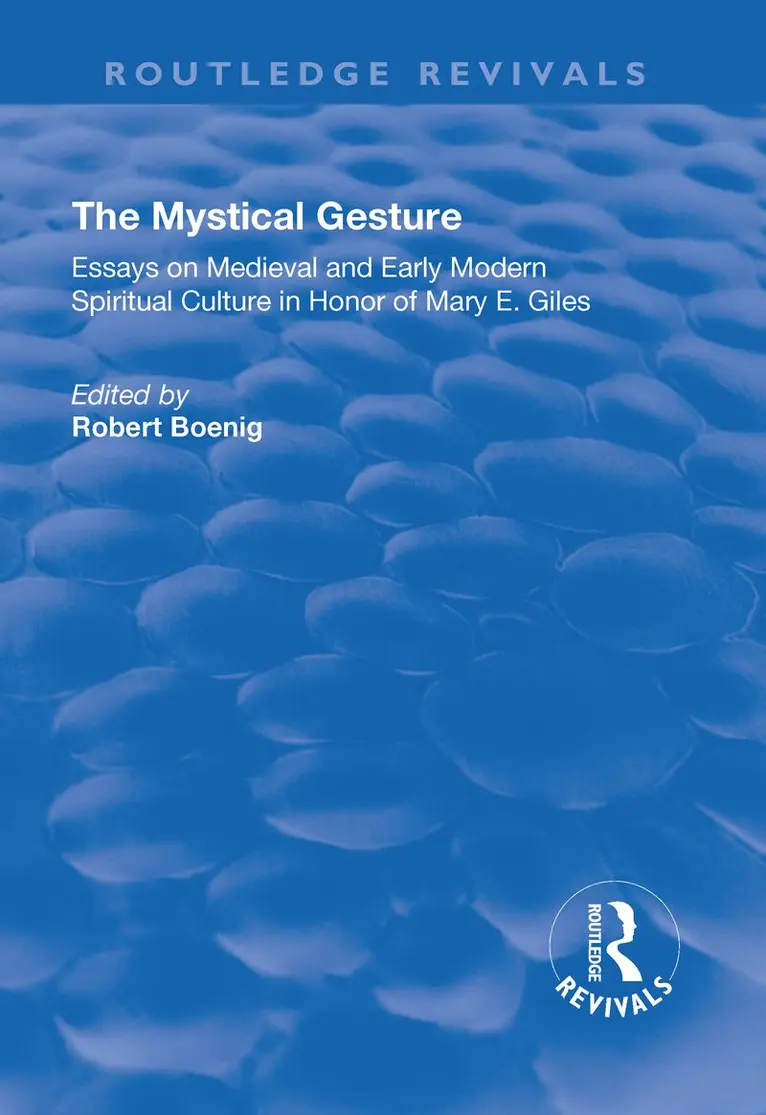
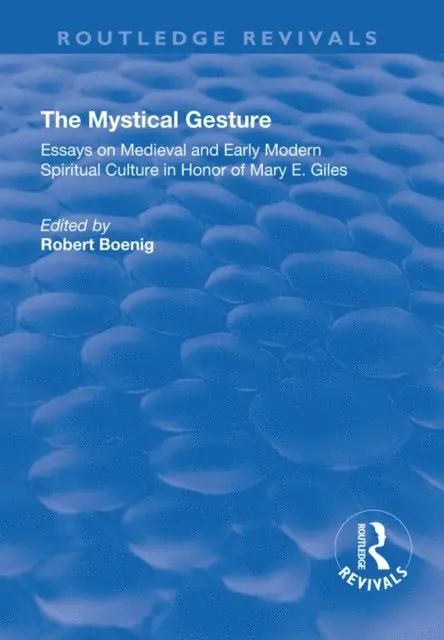
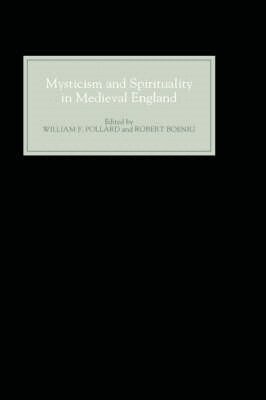
This title was first published in 2000: These essays ecplore the spiritual culture shared by texts and writers in Western Europe from the 13th to 17th centuries; the visionaries, mystics and nuns who were poets or scholars and the creative writers who drew on spiritual themes. The topics range chronologically from the late 13th to late 17th centuries and geographically from Germany, England, Italy, France, Spain and New Spain (Mexico), though the volume''s centre is the spiritual culture of 16th-century Spain. Common concerns of each essay are the exploration of spiritual culture; how some texts and writers shape expectations attending the life of the spirit; and how they are in turn shaped by them. The sub-themes many of the essays share are the gendering of spiritual culture and the relationship between traditional literary genres like poetry and drama and spiritual discourse. Each text or spiritual figure covered here has a distinctive spiritual voice - a mystical gesture - that contributes an individual mysticism to the common spiritual culture they all share. Each scholar in her or his own way defines this mystical gesture. The essays analyze Mechthild von Magdburg, "Piers Plowman", "The Second Shepherds'' Play", Catherine of Siena, Bernardo de Laredo, Teresa of Avila, Alonso de la Fuente, Luisa de Carvajal y Mendoza, Cecilian de nacimiento, Margaret Mary Alaconque and Sor Juana.
1 150 kr
Läs direkt efter köp
This title was first published in 2000: These essays ecplore the spiritual culture shared by texts and writers in Western Europe from the 13th to 17th centuries; the visionaries, mystics and nuns who were poets or scholars and the creative writers who drew on spiritual themes. The topics range chronologically from the late 13th to late 17th centuries and geographically from Germany, England, Italy, France, Spain and New Spain (Mexico), though the volume''s centre is the spiritual culture of 16th-century Spain. Common concerns of each essay are the exploration of spiritual culture; how some texts and writers shape expectations attending the life of the spirit; and how they are in turn shaped by them. The sub-themes many of the essays share are the gendering of spiritual culture and the relationship between traditional literary genres like poetry and drama and spiritual discourse. Each text or spiritual figure covered here has a distinctive spiritual voice - a mystical gesture - that contributes an individual mysticism to the common spiritual culture they all share. Each scholar in her or his own way defines this mystical gesture. The essays analyze Mechthild von Magdburg, "Piers Plowman", "The Second Shepherds'' Play", Catherine of Siena, Bernardo de Laredo, Teresa of Avila, Alonso de la Fuente, Luisa de Carvajal y Mendoza, Cecilian de nacimiento, Margaret Mary Alaconque and Sor Juana.
2 926 kr
Skickas inom 10-15 vardagar
658 kr
Skickas
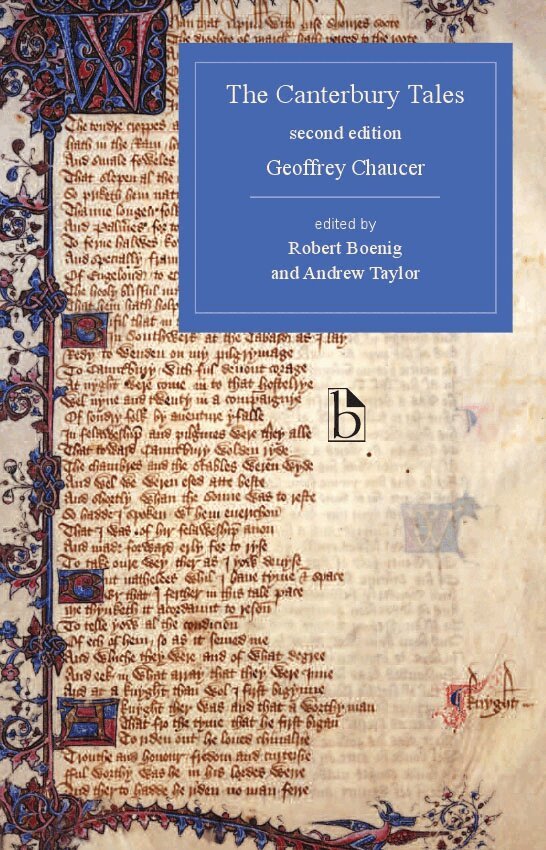
The Broadview Canterbury Tales is an edition of the complete tales in a text based on the famous Ellesmere Manuscript. Here one may read a Middle English text that is closer to what Chaucer’s scribe, Adam Pinkhurst, actually wrote than that in any other modern edition. Unlike most editions, which draw on a number of manuscripts to recapture Chaucer’s original intention, this edition preserves the text as it was found in one influential manuscript. A sampling of facsimile pages from the original manuscript is also included, along with a selection of other works that give the reader a rich sense of the cultural, political, and literary worlds in which Chaucer lived.
The second edition includes a new Middle English glossary, a timeline of Chaucer’s life and times, and detailed page headers showing the fragment and line numbers to assist readers in finding a specific section of the poem.
414 kr
Skickas inom 11-20 vardagar
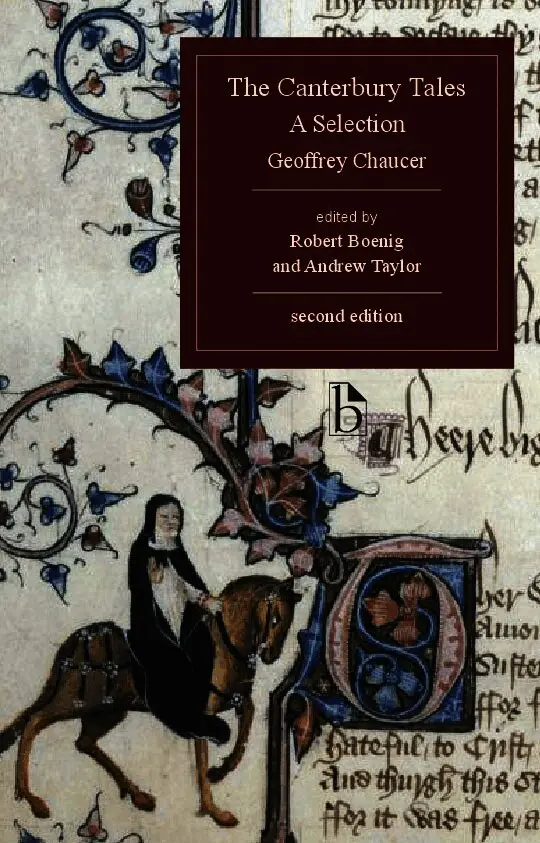
Drawing from the same text as the complete Broadview edition of the Tales, which is based on the famous Ellesmere Manuscript, this selected edition also features a critical introduction, marginal glosses in modern English of difficult words, and explanatory footnotes. The most widely taught appendix material from the complete edition is included, along with ten illustrations from the Ellesmere Manuscript.
The second edition includes a new glossary, a timeline of Chaucer’s life and times, and detailed headers showing the section and line numbers, making it easier to find a specific section of the poem. Several popular prologues and tales have also been added to the selection: The Cook’s Prologue and Tale, The Friar’s Prologue and Tale, The Merchant’s Prologue and Tale, and The Parson’s Prologue.
716 kr
Läs direkt efter köp
2015 winner of the Mythopoeic Society’s Award for Inkling Studies
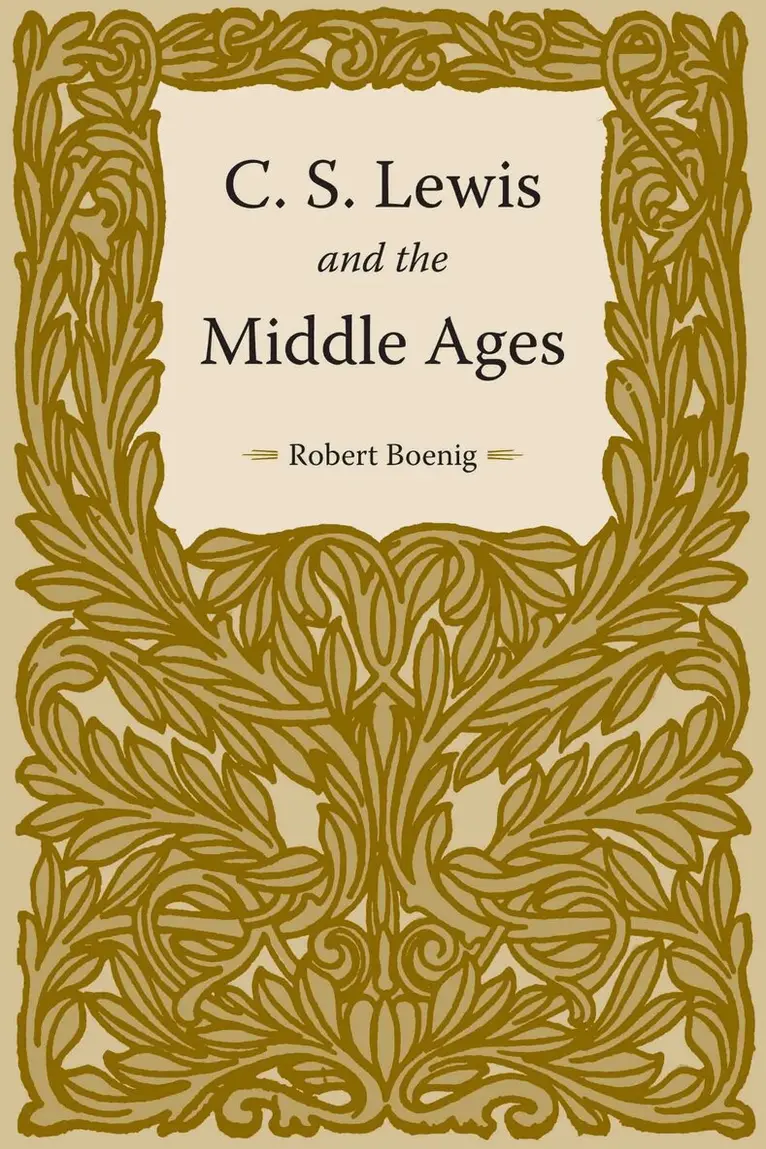
In C. S. Lewis and the Middle Ages, medievalist Robert Boenig explores Lewis’s personal and professional engagement with medieval literature and culture and argues convincingly that medieval modes of creativity had a profound impact on Lewis’s imaginative fiction.
The Middle Ages affected Lewis in different ways. Early in his life he found medieval narrative compelling, sharing his love for it with others and first experiencing the intense spiritual longing he termed “joy” through his engagement with it. He went on to build a successful career as a scholar who was, as he put it, “chiefly a medievalist.” His creative writing not only evokes the Middle Ages but also adapts the medieval technique of appropriating and altering prior texts as a means of generating new stories. Understanding Lewis’s creative appropriation of previous sources is essential for a full assessment of his achievement as a creative writer.
For Lewis, the medieval was above all a place where he encountered the spiritual. It was through the medieval in its mode of Norse myths, particularly those involving the Norse god Balder, that he experienced “joy.” He delighted in hunting this joy through medieval books, like those of Malory or Chaucer, and also through more modern works that evoke the Middle Ages, such as the prose romances of William Morris. Among the works of devotion and spirituality that Lewis continually read toward the end of his life were the medieval classics The Imitation of Christ by Thomas à Kempis and Revelations of Divine Love by Julian of Norwich. The medieval for Lewis was a place where he could—and did—encounter God.
Using Lewis’s private correspondence, scholarly books and articles, and creative writing, Boenig charts Lewis’s involvement with all things medieval, demonstrating the importance of the Middle Ages in any assessment of Lewis’s literary achievements.
700 kr
Läs direkt efter köp
2015 winner of the Mythopoeic Society’s Award for Inkling Studies
In C. S. Lewis and the Middle Ages, medievalist Robert Boenig explores Lewis’s personal and professional engagement with medieval literature and culture and argues convincingly that medieval modes of creativity had a profound impact on Lewis’s imaginative fiction.
The Middle Ages affected Lewis in different ways. Early in his life he found medieval narrative compelling, sharing his love for it with others and first experiencing the intense spiritual longing he termed “joy” through his engagement with it. He went on to build a successful career as a scholar who was, as he put it, “chiefly a medievalist.” His creative writing not only evokes the Middle Ages but also adapts the medieval technique of appropriating and altering prior texts as a means of generating new stories. Understanding Lewis’s creative appropriation of previous sources is essential for a full assessment of his achievement as a creative writer.
For Lewis, the medieval was above all a place where he encountered the spiritual. It was through the medieval in its mode of Norse myths, particularly those involving the Norse god Balder, that he experienced “joy.” He delighted in hunting this joy through medieval books, like those of Malory or Chaucer, and also through more modern works that evoke the Middle Ages, such as the prose romances of William Morris. Among the works of devotion and spirituality that Lewis continually read toward the end of his life were the medieval classics The Imitation of Christ by Thomas à Kempis and Revelations of Divine Love by Julian of Norwich. The medieval for Lewis was a place where he could—and did—encounter God.
Using Lewis’s private correspondence, scholarly books and articles, and creative writing, Boenig charts Lewis’s involvement with all things medieval, demonstrating the importance of the Middle Ages in any assessment of Lewis’s literary achievements.
574 kr
Tillfälligt slut
725 kr
Tillfälligt slut