Inbunden, Engelska, 2019
451 kr
Skickas inom 5-8 vardagar
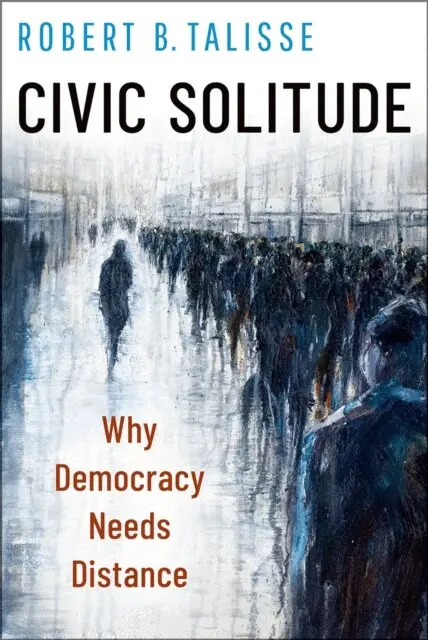
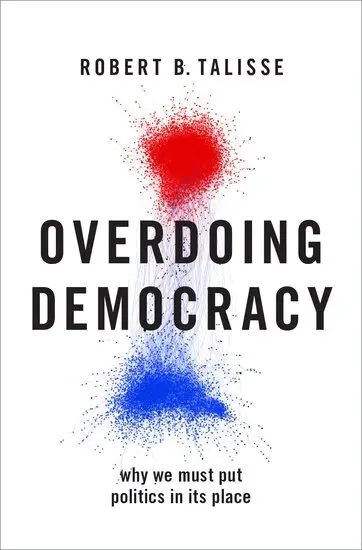
We live in an age of political polarization. As political beliefs on the left and the right have been pulled closer to the extremes, so have our social environments: we seldom interact with those with whom we don't see eye to eye. Making matters worse, we are being appealed to--by companies, products, and teams, for example--based on our deep-seated, polarized beliefs. Our choice of Starbucks or Dunkin' Donuts, Costco or Sam's Club, soccer or football, New York Times vs. Wall Street Journal is an expression of our beliefs and a reinforcement of our choice to stay within the confines of our self-selected political community, making us even more polarized. Letting it bleed into these choices in every corner of our lives, we take democracy too far and it ends up keeping us apart. We overdo democracy. When we overdo democracy, we allow it to undermine and crowd out many of the most important social goods that democracy is meant to deliver. What's more, in overdoing democracy, we spoil certain social goods that democracy needs in order to flourish. A thriving democracy needs citizens to reserve space in their social lives for collective activities that are not structured by political allegiances. To ensure the health and the future of democracy, we need to forge civic friendships by working together in social contexts in which political affiliations and party loyalties are not merely suppressed, but utterly beside the point. Drawing on his extensive research, Talisse sheds light on just how deeply entrenched our political polarization has become and opens our eyes to how often we allow politics to dictate the way we see almost everything. By limiting our interactions with others and our experience of the world so that we only encounter the politically like-minded, we are actually damaging the thing that democracy is meant to preserve in the first place: the more fundamental good of recognizing and respecting each other's standing as equals.