In his earlier work on King Lear, Mr. Heilman combined a number of critical procedures to form a new and important approach to Shakespearian criticism. His study of Othello displays the maturity of insight and skill in analysis the years have brought him in developing his critical method. Mr. Heilman takes account of stage effects; he traces out literal and symbolic meanings; he analyzes plot relationships; he examines characters in terms of both their psychological and their moral situations, and style in relation to both character and meaning. He traces some effects due to historical meanings which have now been lost by certain words, and he tries to measure the impact of the drama upon, and its significance for, the modern consciousness.Mr. Heilman argues that Othello is at once "a play about love" and "a poem about love," and endeavors to find out how the poetry modifies and even helps determine the nature of the whole. He looks at numerous aspects of "action" (physical activity, psychological movement, intellectual operations) and "language" (speech habits, image types, recurrency in both literal and figurative language), and examines the essentially "dramatic" function of all of these. He finds the dramatis personae interwoven in relationships which may be seen, from one point of view, as "plot" and, from another, as the embodiment of complex themes. He treats Othello and Iago as figures that are not only fitted to a given stage but also represent permanent aspects of humanity-Iago with his "strategies against the spiritual order" and Othello with his "readiness in the victim."
In his earlier work on King Lear, Mr. Heilman combined a number of critical procedures to form a new and important approach to Shakespearian criticism. His study of Othello displays the maturity of insight and skill in analysis the years have brought him in developing his critical method. Mr. Heilman takes account of stage effects; he traces out literal and symbolic meanings; he analyzes plot relationships; he examines characters in terms of both their psychological and their moral situations, and style in relation to both character and meaning. He traces some effects due to historical meanings which have now been lost by certain words, and he tries to measure the impact of the drama upon, and its significance for, the modern consciousness.Mr. Heilman argues that Othello is at once "a play about love" and "a poem about love," and endeavors to find out how the poetry modifies and even helps determine the nature of the whole. He looks at numerous aspects of "action" (physical activity, psychological movement, intellectual operations) and "language" (speech habits, image types, recurrency in both literal and figurative language), and examines the essentially "dramatic" function of all of these. He finds the dramatis personae interwoven in relationships which may be seen, from one point of view, as "plot" and, from another, as the embodiment of complex themes. He treats Othello and Iago as figures that are not only fitted to a given stage but also represent permanent aspects of humanity-Iago with his "strategies against the spiritual order" and Othello with his "readiness in the victim."
The Ghost on the Ramparts presents fourteen of R. B. Heilman's essays on the teaching of English and the profession of the humanities. These essays deal with such diverse topics as administrative ways and means, pedagogical shibboleths and heresies, uses and abuses of literacy, clichés of style, moot issues of history and criticism, and above all the nature of the humanities and their continuing significance. The persuasive discussions of all these subjects reflect the author's wide professional experience, his wit and wisdom, and his superb sense of style.The chairman of a distinguished English department for over twenty years, Heilman well knew the ins and outs of administration. He considers not only the practical problems of maintaining a large department but also the more complex matters involving a chairman's attitude toward deans, toward colleagues of many kinds, and toward oneself as a committed teacher and administrator. Also a literary critic of established reputation, Heilman's explicative side appears in most of these essays as he provides illustrative examples from many different sources while discussing the nature of history and criticism in the humanities.The unity of these essays is no less impressive than the mind of their maker, who instances a remarkable capacity for seeing life in the humanities steadily and whole.
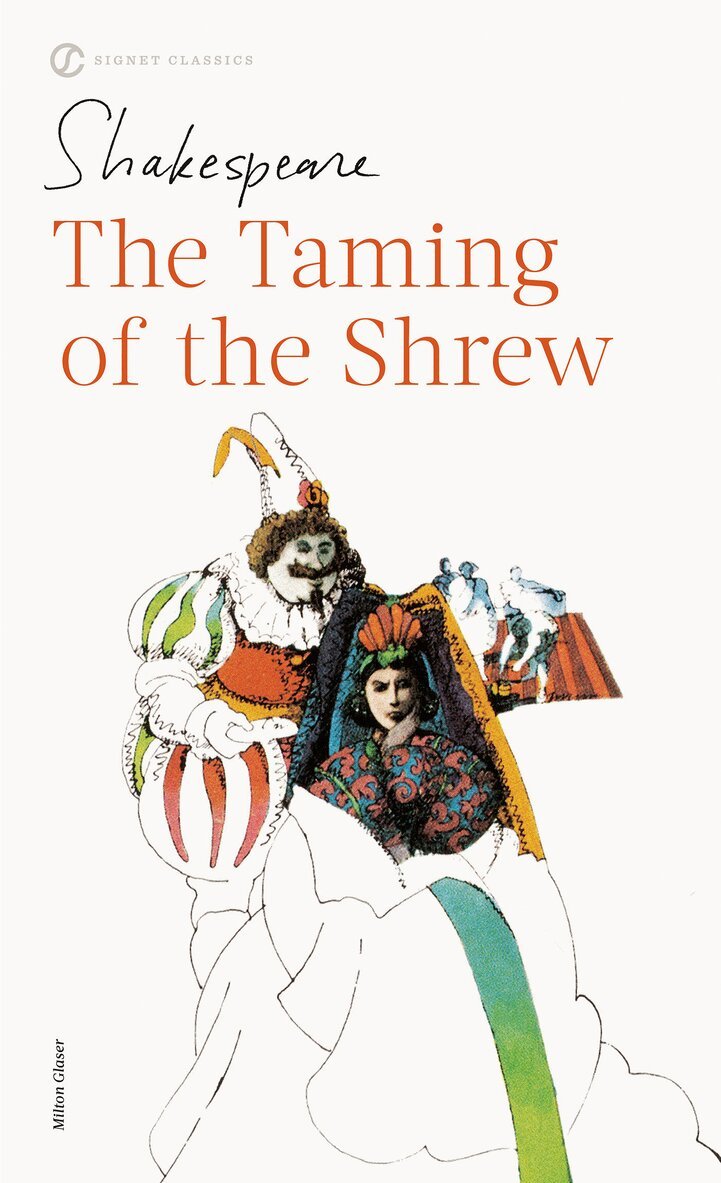
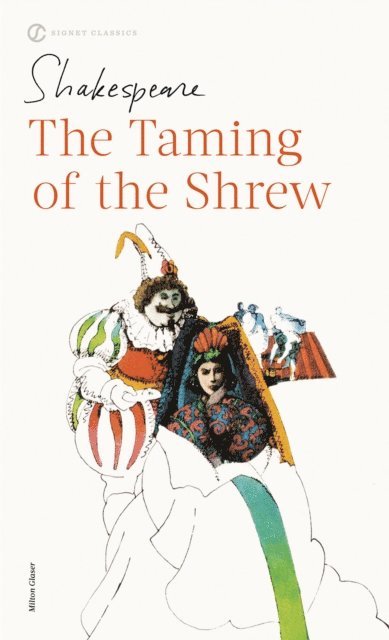
A robust and bawdy battle of the sexes, this ever popular comedy captivates audiences with outrageous humor as Katharina, the shrew, engages in a contest of wills–and love–with her bridegroom, Petruchio. Their boisterous conflict is set off against a more conventional romantic plot involving the wooing of Katharina’s lovely and compliant sister, Bianca. Rich with the psychological themes of identity and transformation, the play is quintessentially lighthearted, filled with visual gags, witty repartee, and unmatched theatrical brilliance from Petruchio’s demand, “Kiss me, Kate!” to the final spectacle of the wedding feast.Each Edition Includes:• Comprehensive explanatory notes • Vivid introductions and the most up-to-date scholarship • Clear, modernized spelling and punctuation, enabling contemporary readers to understand the Elizabethan English• Completely updated, detailed bibliographies and performance histories • An interpretive essay on film adaptations of the play, along with an extensive filmography