2 169 kr
Skickas inom 7-10 vardagar
2 169 kr
Skickas inom 7-10 vardagar
489 kr
Läs direkt efter köp
781 kr
Skickas inom 7-10 vardagar
1 058 kr
Skickas inom 7-10 vardagar
301 kr
Skickas inom 7-10 vardagar
2 497 kr
Skickas inom 10-15 vardagar
856 kr
Skickas inom 10-15 vardagar
970 kr
Läs direkt efter köp
831 kr
Läs direkt efter köp
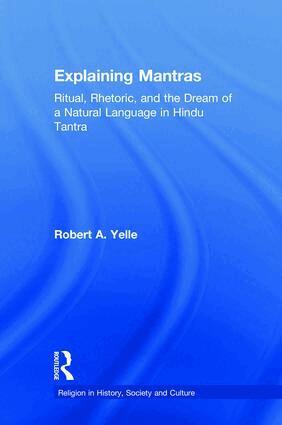
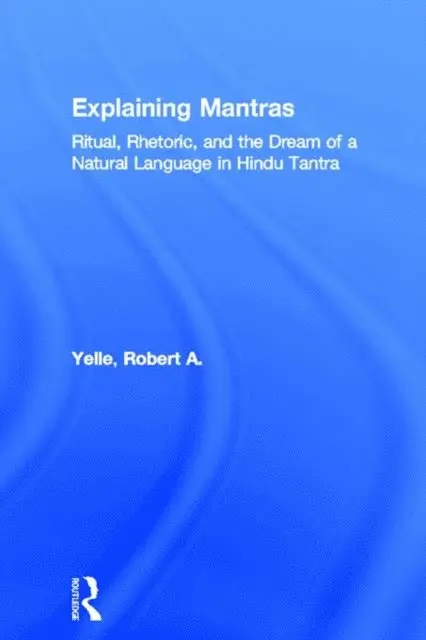
Explaining Mantras explores the intersection of poetry and magic in the mantras or verbal formulas of Hindu Tantra. The author reveals how mantras work in light of both the esoteric tradition of Tantra and a general semiotic theory of ritual. Mantras mimic the act of sexual reproduction and the cosmic cycle of creation and destruction. A mantra that imitates creation is believed to be more creative and effective in producing a real-world result. Drawing from linguistics, semiotics, anthropology, and philosophy, as well as the history of religions, the author argues that mantras and other ritual discourses use rhetorical devices, including imitation, to construct the persuasive illusion of a natural language, one with a direct and immediate connection to reality. This vital relation between poetry and ritual has been neglected in many current theories of religion. Explaining Mantras combines the study of ancient Tantric rituals with the latest theories in the human sciences, and will be of interest to a broad range of readers.
826 kr
Läs direkt efter köp
Explaining Mantras explores the intersection of poetry and magic in the mantras or verbal formulas of Hindu Tantra. The author reveals how mantras work in light of both the esoteric tradition of Tantra and a general semiotic theory of ritual. Mantras mimic the act of sexual reproduction and the cosmic cycle of creation and destruction. A mantra that imitates creation is believed to be more creative and effective in producing a real-world result. Drawing from linguistics, semiotics, anthropology, and philosophy, as well as the history of religions, the author argues that mantras and other ritual discourses use rhetorical devices, including imitation, to construct the persuasive illusion of a natural language, one with a direct and immediate connection to reality. This vital relation between poetry and ritual has been neglected in many current theories of religion. Explaining Mantras combines the study of ancient Tantric rituals with the latest theories in the human sciences, and will be of interest to a broad range of readers.
1 563 kr
Skickas inom 10-15 vardagar
499 kr
Läs direkt efter köp
499 kr
Läs direkt efter köp
460 kr
Skickas inom 10-15 vardagar
618 kr
Skickas inom 10-15 vardagar
2 564 kr
Skickas inom 10-15 vardagar
661 kr
Läs direkt efter köp
640 kr
Läs direkt efter köp
1 701 kr
Skickas inom 7-10 vardagar
1 681 kr
Läs direkt efter köp
1 681 kr
Läs direkt efter köp
1 471 kr
Skickas inom 7-10 vardagar
1 465 kr
Läs direkt efter köp
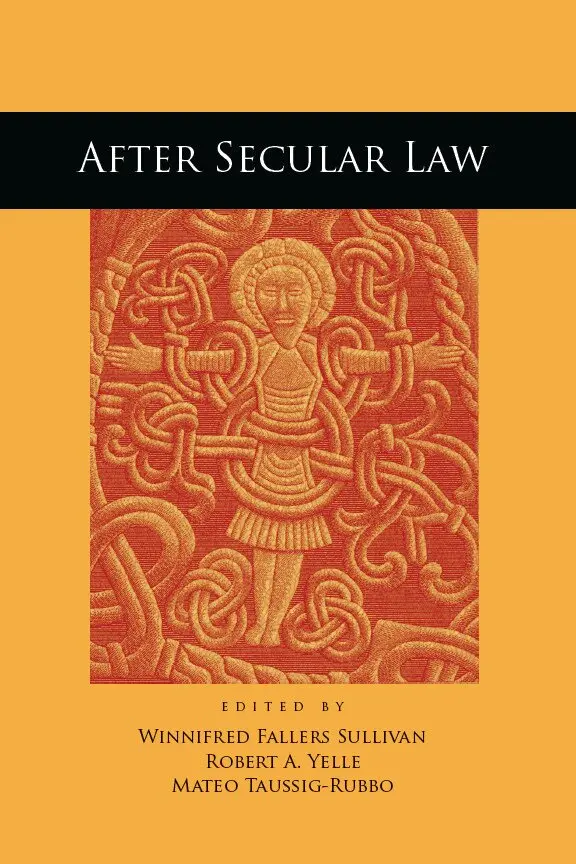
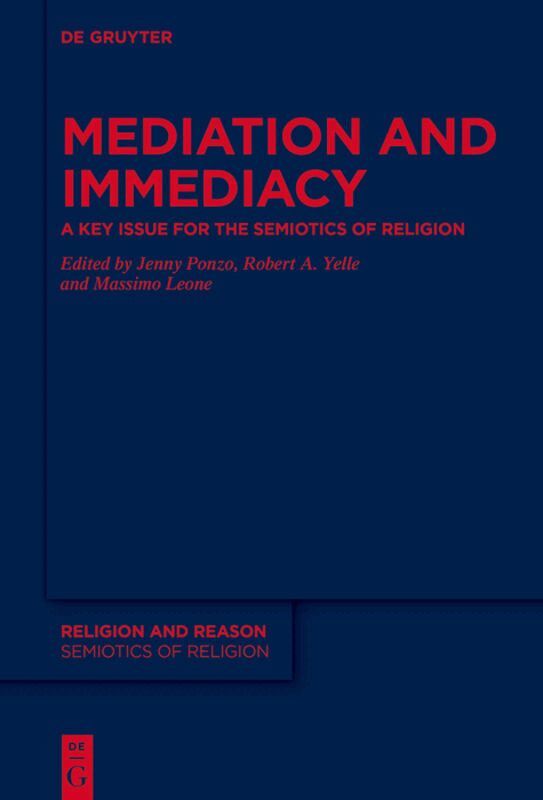
Religion, like any other domain of culture, is mediated through symbolic forms and communicative behaviors, which allow the coordination of group conduct in ritual and the representation of the divine or of tradition as an intersubjective reality. While many traditions hold out the promise of immediate access to the divine, or to some transcendent dimension of experience, such promises depend for their realization as well on the possibility of mediation, which is necessarily conducted through channels of communication and exchange, such as prayers or sacrifices. An understanding of such modes of semiosis is therefore necessary even and especially when mediation is denied by a tradition in the name of the ''ineffability" of the deity or of mystical experience.
This volume models and promotes an interdisciplinary dialogue and cross-cultural perspective on these issues by asking prominent semioticians, historians of religion and of art, linguists, sociologists of religion, and philosophers of law to reflect from a semiotic perspective on the topic of mediation and immediacy in religious traditions.
1 498 kr
Läs direkt efter köp
Religion, like any other domain of culture, is mediated through symbolic forms and communicative behaviors, which allow the coordination of group conduct in ritual and the representation of the divine or of tradition as an intersubjective reality. While many traditions hold out the promise of immediate access to the divine, or to some transcendent dimension of experience, such promises depend for their realization as well on the possibility of mediation, which is necessarily conducted through channels of communication and exchange, such as prayers or sacrifices. An understanding of such modes of semiosis is therefore necessary even and especially when mediation is denied by a tradition in the name of the ''ineffability" of the deity or of mystical experience.
This volume models and promotes an interdisciplinary dialogue and cross-cultural perspective on these issues by asking prominent semioticians, historians of religion and of art, linguists, sociologists of religion, and philosophers of law to reflect from a semiotic perspective on the topic of mediation and immediacy in religious traditions.