This book's unique combination of case studies and commentaries provides the basis for a systematic discussion of the role of individual leaders and complex institutions in U.S. foreign policy making. The case studies present routine and urgent, controversial and consensus-driven decisions in nine presidential administrations--"from Harry Truman's decision to drop the atomic bomb on Japan in 1945, to George W. Bush's responses to international terrorism in the wake of 9/11. Each chapter includes essential background information, a chronology of events, and primary source documents. Through all these elements, even students with little or no background in history will gain a new understanding of how presidents, institutions, and issues all shape American foreign policy.
This book''s unique combination of case studies and commentaries provides the basis for a systematic discussion of the role of individual leaders and complex institutions in U.S. foreign policy making. The case studies present routine and urgent, controversial and consensus-driven decisions in nine presidential administrations--"from Harry Truman''s decision to drop the atomic bomb on Japan in 1945, to George W. Bush''s responses to international terrorism in the wake of 9/11. Each chapter includes essential background information, a chronology of events, and primary source documents. Through all these elements, even students with little or no background in history will gain a new understanding of how presidents, institutions, and issues all shape American foreign policy.
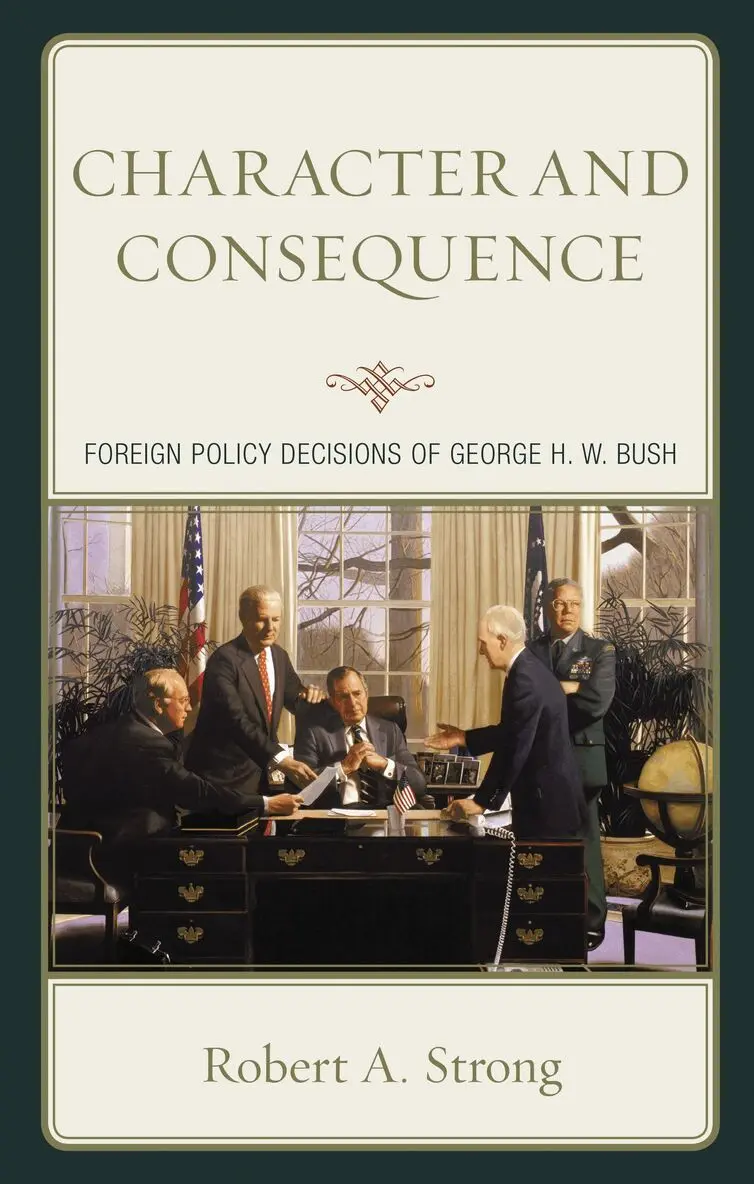
Character and Consequence by Robert A. Strong, looks at important foreign policy decisions of George H. W. Bush through the lens of character and asks how personal traits like loyalty, compassion, reticence and audacity had an impact on American foreign policy at a pivotal point in world history. Combining biographical observations with in-depth case studies of complicated international events, the book explores foreign policy decision-making and presidential personality for a broad audience. It is recommended to those curious about a critical era in U.S. diplomatic history, and to students of American politics and international relations who want to understand America’s forty-first president and his decisions and actions at the end of the Cold War.
In nine detailed case studies based on interviews with participants and on recently released documents in the Carter presidential library, Robert Strong carefully examines how the thirty-ninth president of the United States addressed and accomplished the work of foreign policy during his term. Working in the World effectively argues for substantial reevaluation of the conventional wisdom about Carter's weak foreign policy performance and questions how we should formulate our earliest appraisals of presidential success in the conduct of foreign affairs.
Henry Kissinger serves as a powerful example of one who managed to dominate the foreign policy bureaucracies in the Nixon and Ford Administrations. The author asserts that the former Secretary of State has redirected our thinking about these problems of foreign policy, particularly because Kissinger argued that lack of statesmanship is actually at the heart of the matter.