495 kr
495 kr
382 kr
Skickas inom 7-10 vardagar
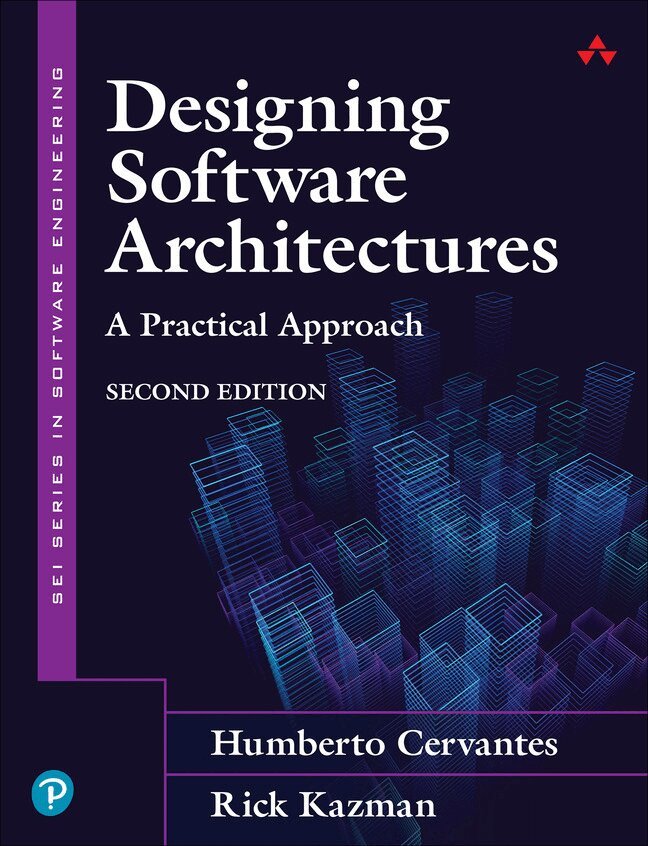
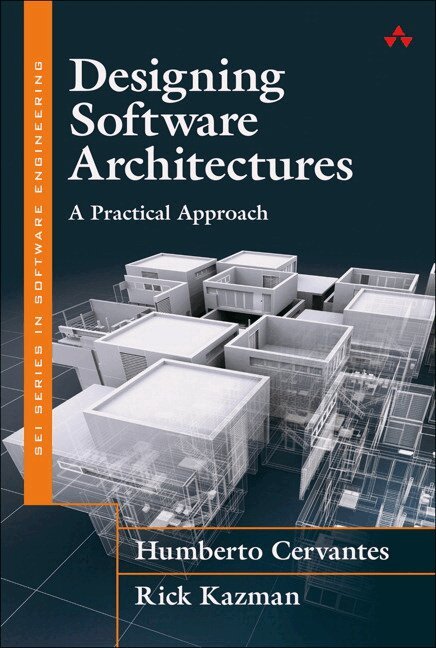
Learn how to create successful architectural designs and improve your current design practices!
Designing Software Architectures, 2nd Edition, provides a practical, step-by-step methodology for architecture design that any professional software engineer can use, with structured methods supported by reusable chunks of design knowledge and rich case studies that demonstrate how to use the methods.
The Attribute-Driven Design method may not have changed since this book's first printing, but almost everything else about the industry has. In this newly updated edition, you will find new chapters on supporting business agility through API-centric design, deployability, cloud-based solutions, and technical debt in design.
Humberto Cervantes and Rick Kazman illuminate best practices for how architects should design complex systems so you can make design decisions in systematic, repeatable, and cost-effective ways. This book will help you become a better, more confident designer who can create high-quality architectures with ease.
The new edition includes:
A clear explanation of the Attribute-Driven Design method New chapters focused on the technical environments and contexts of contemporary design Two new case studies on The Hotel Pricing System and Digital Twin Platform Coverage of current architecture topics like cloud computing, DevOps, and large-scale systems Methods to make architecture design agile and achievable
Register your product at informit.com/register for convenient access to downloads, updates, and/or corrections as they become available.
420 kr
Kommande
From Coder to Designer: The Art and Science of Building Better Software with AI
AI is transforming software development, making it easier than ever to generate code. But generating code is not the same as designing good software. As AI accelerates coding, the ability to make sound design decisions becomes more important than ever. Software Design in the Age of AI helps students and practicing developers move beyond merely writing code to become thoughtful software designers who can reason about complexity, make informed decisions, and create high-quality, evolvable software systems.
Drawing on decades of research, authors Yuanfang Cai and Rick Kazman bring together foundational design principles and quantifiable techniques that make software design concrete, actionable, and measurable. Through five essential categories of design decisions--components, data, logic, modules, and naming--readers learn to analyze alternatives, manage complexity, and improve software quality. Throughout the book, AI serves as a knowledgeable design partner, helping designers explore alternatives, evaluate tradeoffs, and translate designs into working software while improving quality and productivity.
In this book, readers will learn practical and proven techniques to
Apply fundamental design principles to make informed decisions about components, data, logic, modules, and naming Manage complexity through abstraction, information hiding, and modularization Use design rules and the Design Structure Matrix (DSM) to visualize dependencies and build modular, evolvable systems Identify design anti-patterns, quantify design debt, and prioritize improvements based on costs and benefits Measure and continuously monitor software design quality as systems evolve Collaborate with AI to explore alternatives, prototype solutions, evaluate tradeoffs, and critically assess AI-generated designs Navigate the essential challenges of software design: context, change, and peopleLearn the principles. Master the decisions. Think like a designer.
1 162 kr
Skickas inom 11-20 vardagar
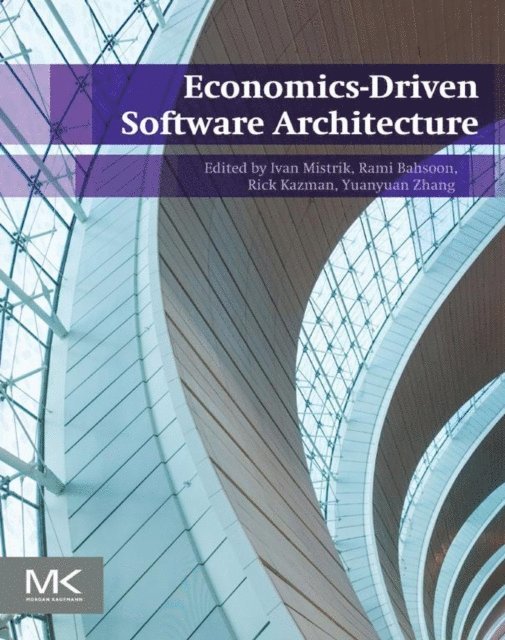
Economics-driven Software Architecture presents a guide for engineers and architects who need to understand the economic impact of architecture design decisions: the long term and strategic viability, cost-effectiveness, and sustainability of applications and systems. Economics-driven software development can increase quality, productivity, and profitability, but comprehensive knowledge is needed to understand the architectural challenges involved in dealing with the development of large, architecturally challenging systems in an economic way.
This book covers how to apply economic considerations during the software architecting activities of a project. Architecture-centric approaches to development and systematic evolution, where managing complexity, cost reduction, risk mitigation, evolvability, strategic planning and long-term value creation are among the major drivers for adopting such approaches. It assists the objective assessment of the lifetime costs and benefits of evolving systems, and the identification of legacy situations, where architecture or a component is indispensable but can no longer be evolved to meet changing needs at economic cost. Such consideration will form the scientific foundation for reasoning about the economics of nonfunctional requirements in the context of architectures and architecting.
Familiarizes readers with essential considerations in economic-informed and value-driven software design and analysis Introduces techniques for making value-based software architecting decisions Provides readers a better understanding of the methods of economics-driven architecting1 360 kr
Läs direkt efter köp
1 097 kr
Skickas inom 11-20 vardagar
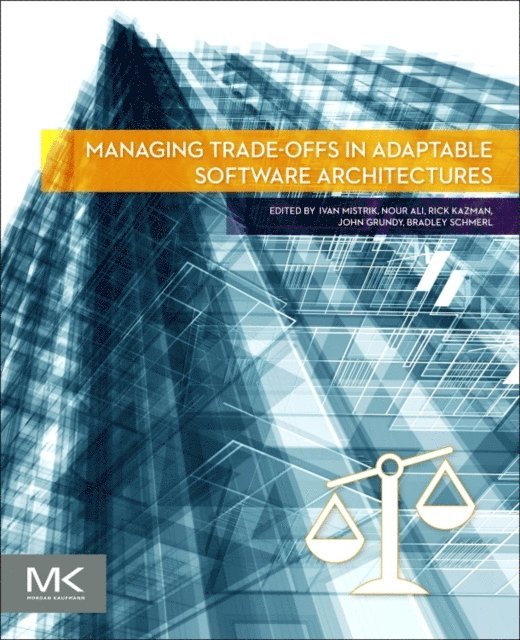
Managing Trade-Offs in Adaptable Software Architectures explores the latest research on adapting large complex systems to changing requirements. To be able to adapt a system, engineers must evaluate different quality attributes, including trade-offs to balance functional and quality requirements to maintain a well-functioning system throughout the lifetime of the system.
This comprehensive resource brings together research focusing on how to manage trade-offs and architect adaptive systems in different business contexts. It presents state-of-the-art techniques, methodologies, tools, best practices, and guidelines for developing adaptive systems, and offers guidance for future software engineering research and practice.
Each contributed chapter considers the practical application of the topic through case studies, experiments, empirical validation, or systematic comparisons with other approaches already in practice. Topics of interest include, but are not limited to, how to architect a system for adaptability, software architecture for self-adaptive systems, understanding and balancing the trade-offs involved, architectural patterns for self-adaptive systems, how quality attributes are exhibited by the architecture of the system, how to connect the quality of a software architecture to system architecture or other system considerations, and more.
Explains software architectural processes and metrics supporting highly adaptive and complex engineering Covers validation, verification, security, and quality assurance in system design Discusses domain-specific software engineering issues for cloud-based, mobile, context-sensitive, cyber-physical, ultra-large-scale/internet-scale systems, mash-up, and autonomic systems Includes practical case studies of complex, adaptive, and context-critical systems1 369 kr
Läs direkt efter köp
767 kr
Skickas inom 3-6 vardagar
1 093 kr
Skickas inom 3-6 vardagar
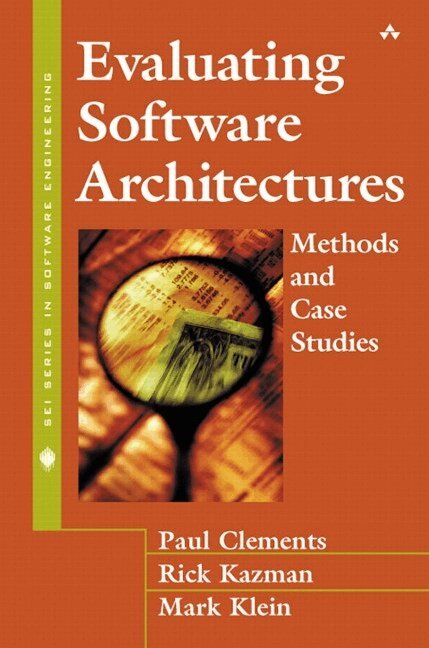
The foundation of any software system is its architecture. Using this book, you can evaluate every aspect of architecture in advance, at remarkably low cost -- identifying improvements that can dramatically improve any system's performance, security, reliability, and maintainability. As the practice of software architecture has matured, it has become possible to identify causal connections between architectural design decisions and the qualities and properties that result downstream in the systems that follow from them. This book shows how, offering step-by-step guidance, as well as detailed practical examples -- complete with sample artifacts reflective of those that evaluators will encounter. The techniques presented here are applicable not only to software architectures, but also to system architectures encompassing computing hardware, networking equipment, and other elements. For all software architects, software engineers, developers, IT managers, and others responsible for creating, evaluating, or implementing software architectures.
443 kr
Läs direkt efter köp
567 kr
Skickas inom 10-15 vardagar
750 kr
Läs direkt efter köp
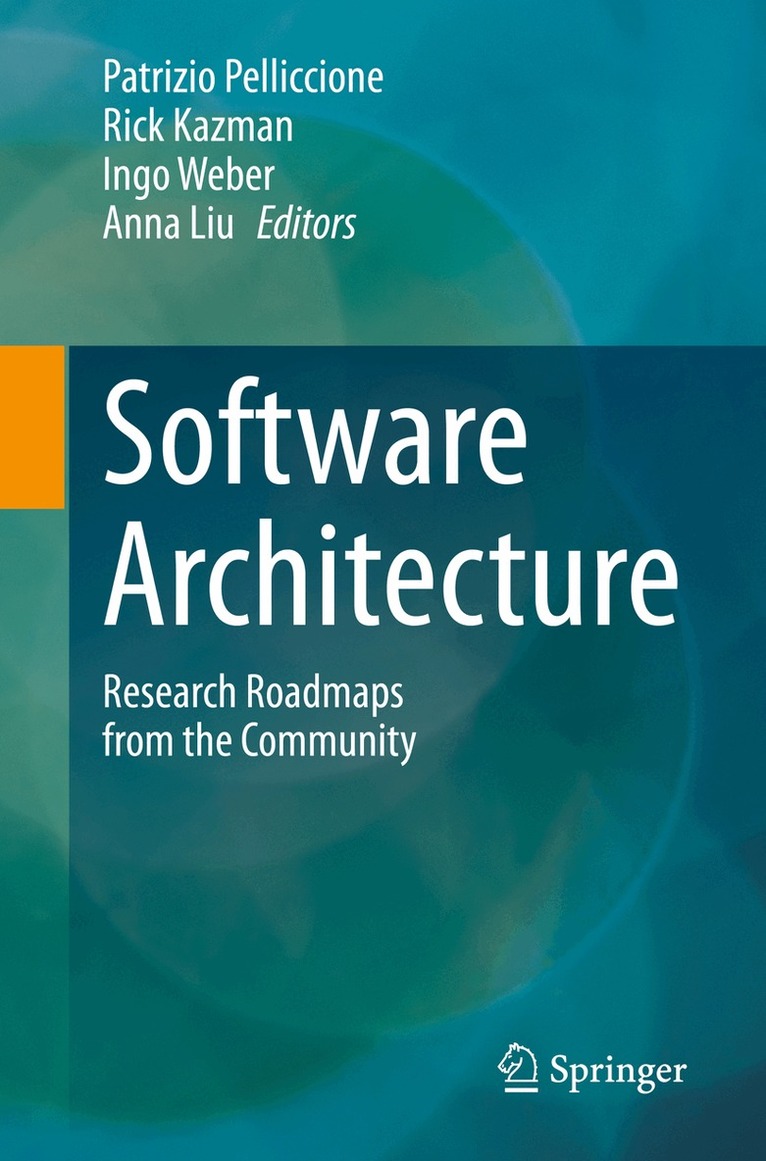
Software architecture research involves the study of the design and analysis of software systems, focusing on the high-level structure and organization of software components, as well as the interactions and relationships between them. It also focuses on the non-technical aspects of software design: how teams are organized, and how they communicate and work together.
The first three chapters of the book investigate software architecture for emerging classes of software systems with widespread interest, including quantum computing, artificial intelligence-centric systems, and systems within value-based ecosystems. Subsequent chapters investigate the role of architecture in relation to modern development processes; sharing of data as an enabler for furthering research in software architecture; and teaching software architecture.
In summary, this book provides an overview of the latest research and directions in software architecture, covering a wide array of current and emerging topics. Specifically, this book is a valuable resource for researchers and students to aid them in identifying fruitful paths for future research.
565 kr
Skickas inom 10-15 vardagar
728 kr
Läs direkt efter köp
682 kr
Skickas inom 7-10 vardagar