Overturns common misconceptions about charter schools, school "choice," standardized tests, common core curriculum, and teacher evaluations.Three distinguished educators, scholars, and activists flip the script on many enduring and popular myths about teachers, teachers'' unions, and education that permeate our culture. By unpacking these myths, and underscoring the necessity of strong and vital public schools as a common good, the authors challenge readers--whether parents, community members, policymakers, union activists, or educators themselves--to rethink their assumptions.
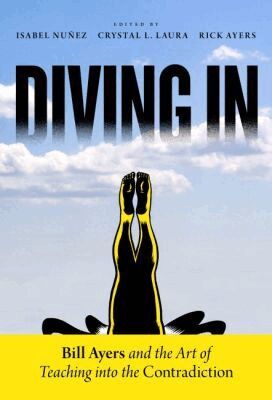
Inspired by the life and work of Bill Ayers—particularly his advice to ""teach into the contradiction""— Diving In reflects the intellectual adventures that Ayers has always encouraged those around him to undertake. Written by leading educators and activists, the collected chapters within this book are as diverse as the myriad contradictions that teachers encounter in their day-to-day practice and their out-of-class musings. The contributors use themes suggested by Ayers's work to open up new perspectives and discourses on key issues in education, such as participatory democracy, social justice, liberation, and education as a human right. Diving In offers much-needed hope at a time when teachers need it the most.
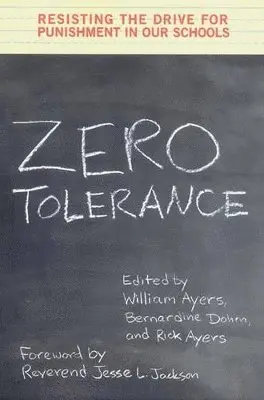
"Zero tolerance" began as a prohibition against guns, but it has quickly expanded into a frenzy of punishment and tougher disciplinary measures in American schools. Ironically, as this timely collection makes clear, recent research indicates that as schools adopt more zero tolerance policies they in fact become less safe, in part because the first casualties of these measures are the central, critical relationships between teacher and student and between school and community.Zero Tolerance assembles prominent educators and intellectuals, including the Rev. Jesse L. Jackson, Sr., Michelle Fine, and Patricia Williams, along with teachers, students, and community activists, to show that the vast majority of students expelled from schools under new disciplinary measures are sent home for nonviolent violations; that the rush to judge and punish disproportionately affects black and Latino children; and that the new disciplinary ethos is eroding constitutional protections of privacy, free speech, and due process. Sure to become the focus of controversy, Zero Tolerance presents a passionate, multifaceted argument against the militarization of our schools.
Rick and William Ayers renew their challenge to teachers to teach initiative, to teach imagination, to “teach the taboo” in the new edition of this bestseller. Drawing from a lifetime of deep commitment to students, teaching, and social justice, the authors update their powerful critique of schooling and present classroom stories of everyday teachers grappling with many of today’s hotly debated issues. They invite educators to live a teaching life of questioning - to imagine classrooms where every established and received bit of wisdom, common sense, orthodoxy, and dogma is open for examination, interrogation, and rethinking. Teaching the Taboo, Second Edition is an insightful guide to effective pedagogy and essential reading for anyone looking to evolve as an educator.
Inspired by the life and work of Bill Ayers - particularly his advice to “teach into the contradiction” - Diving In reflects the intellectual adventures that Ayers has always encouraged those around him to undertake. Written by leading educators and activists, the collected chapters within this book are as diverse as the myriad contradictions that teachers encounter in their day-to-day practice and their out-of-class musings. The contributors use themes suggested by Ayers’s work to open up new perspectives and discourses on key issues in education, such as education as a human right, participatory democracy, social justice, and liberation. Diving In offers much-needed hope at a time when teachers need it the most.
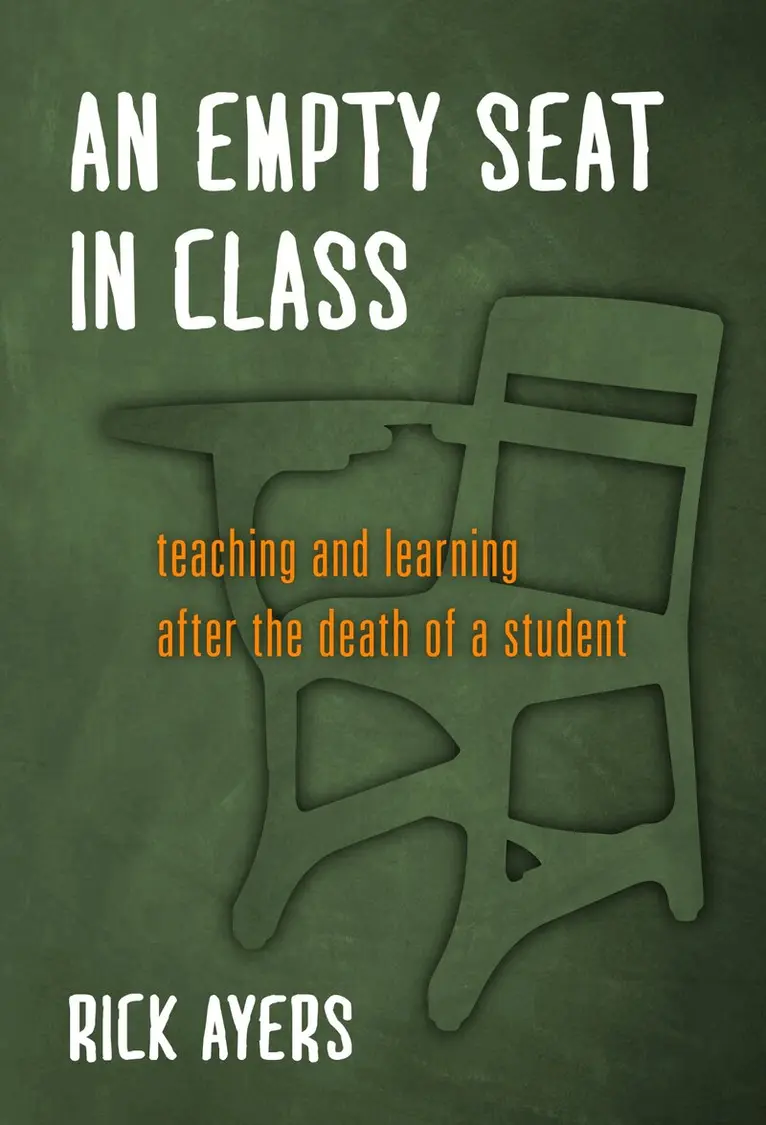
The death of a student, especially to gun violence, is a life-changing experience that occurs with more and more frequency in America’s schools. For each of these tragedies, there is a classroom and there is a teacher. Yet student death is often a forbidden subject, removed from teacher education and professional development classes where the curriculum is focused instead on learning about standards, lesson plans, and pedagogy. What can and should teachers do when the unbearable happens? An Empty Seat in Class illuminates the tragedy of student death and suggests ways of dealing and healing within the classroom community. The book weaves the story of the author’s very personal experience of a student’s fatal shooting with short pieces by other educators who have worked through equally terrible events and also includes contributions from counselors, therapists, and school principals. Through accumulated wisdom, educators are given the means and the resources to find their own path to healing their students, their communities, and themselves.