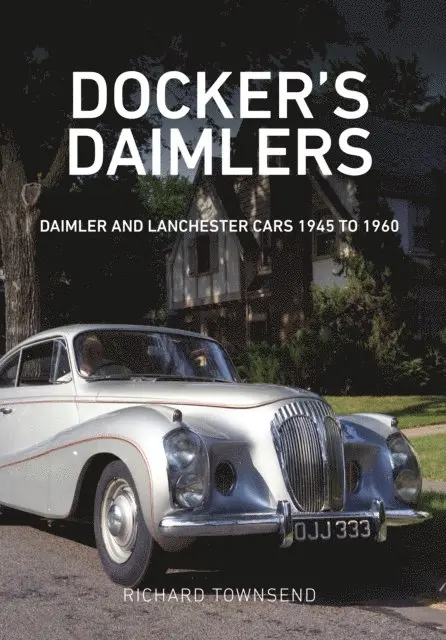
Although Daimler is one of the most famous names in motoring, very few books have covered the models produced between the end of the Second World War and the takeover by Jaguar in 1960. This book sets the record straight with its comprehensive coverage of the various Daimler and Lanchester models and ranges that were produced during this period.Drawing on his expertise as a Daimler collector and as Editor of the Daimler Enthusiasts’ Club newsletter, Richard Townsend describes in detail the various high specification Daimler models from the DB18/Consort range, through the 36 HP (Straight Eight) range and the 4.5 Litre range to the Hooper Empress series. He also describes the Lanchester models, which included the LD10 and the Sprite. He sets the cars against the social background of the 1950s and the leading personalities in the Daimler firm, notably Sir Bernard and Lady Docker, to provide a full picture of the cars and their milieu.Including buying and running advice for those who want to own or already own a Daimler or Lanchester, this book is a fitting tribute to the cars that were often the preferred choice of royalty.
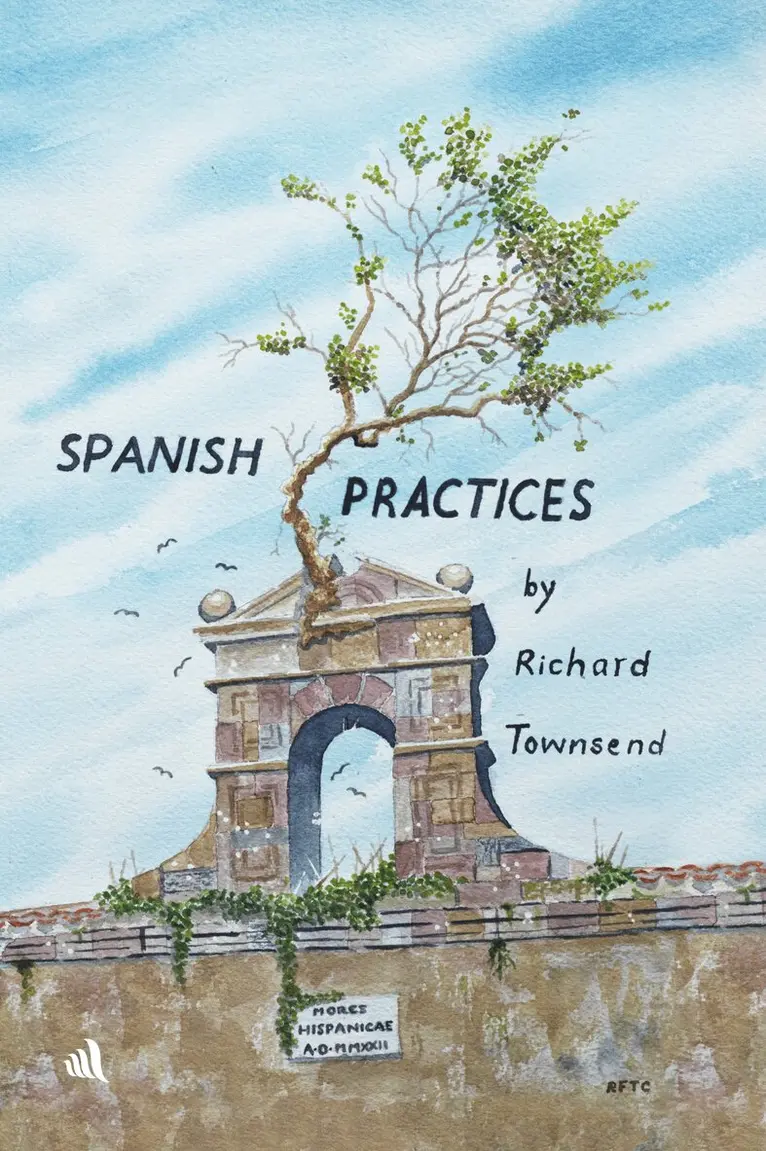
'Spanish Practices' weaves together nearly half a century of observations by Rico, an Englishman married into an eccentric family in a left-behind corner of Spain. Among others, we meet Macu, the maiden aunt who runs the family wine business with an iron fist and controls the family purse-strings; mother-in-law Mami, whose sons can do no wrong, except when they do; brother-in-law Chus, who has a loose interpretation of the marriage vows and a dangerous weakness for the bottle; and younger brother-in-law Sancho, who becomes pivotal to the family's succession battles and their struggles with the local rival winery. Initially an outsider, Rico is drawn ever deeper into the family mire as well as facing, with his wife Marina, his own fraught relationships with neighbours, local planning laws and the busy body 'Authorities'. Through the interplay of rivalries, conflicts and vicissitudes 'Spanish Practices' illuminates the idiosyncrasies of Spanish ways and exemplifies the travails of a society in the throes of wholesale transformation.