2 843 kr
Skickas inom 10-15 vardagar
2 843 kr
Skickas inom 10-15 vardagar
761 kr
Skickas inom 10-15 vardagar
656 kr
Skickas inom 10-15 vardagar
2 602 kr
Skickas inom 10-15 vardagar
866 kr
Läs direkt efter köp
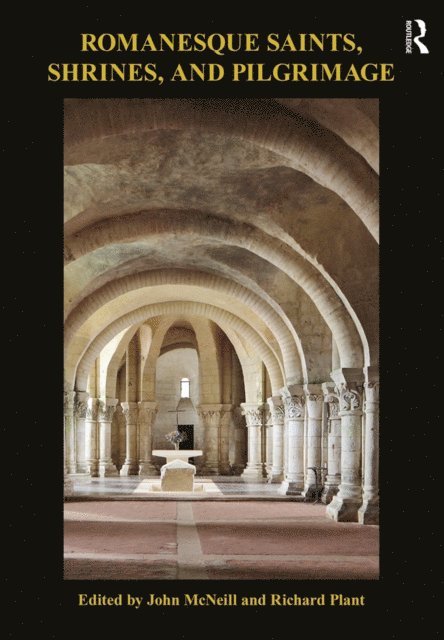
The 23 chapters in this volume explore the material culture of sanctity in Latin Europe and the Mediterranean between c. 1000 and c. 1220, with a focus on the ways in which saints and relics were enshrined, celebrated, and displayed.
Reliquary cults were particularly important during the Romanesque period, both as a means of affirming or promoting identity and as a conduit for the divine. This book covers the geography of sainthood, the development of spaces for reliquary display, the distribution of saints across cities, the use of reliquaries to draw attention to the attributes, and the virtues or miracle-working character of particular saints. Individual essays range from case studies on Verona, Hildesheim, Trondheim and Limoges, the mausoleum of Lazarus at Autun, and the patronage of Mathilda of Canossa, to reflections on local pilgrimage, the deployment of saints as physical protectors, the use of imagery where possession of a saint was disputed, island sanctuaries, and the role of Templars and Hospitallers in the promotion of relics from the Holy Land.
This book will serve historians and archaeologists studying the Romanesque period, and those interested in material culture and religious practice in Latin Europe and the Mediterranean c.1000–c.1220.
860 kr
Läs direkt efter köp
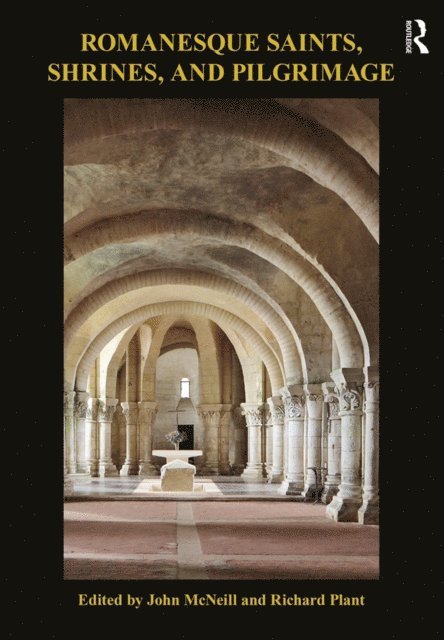
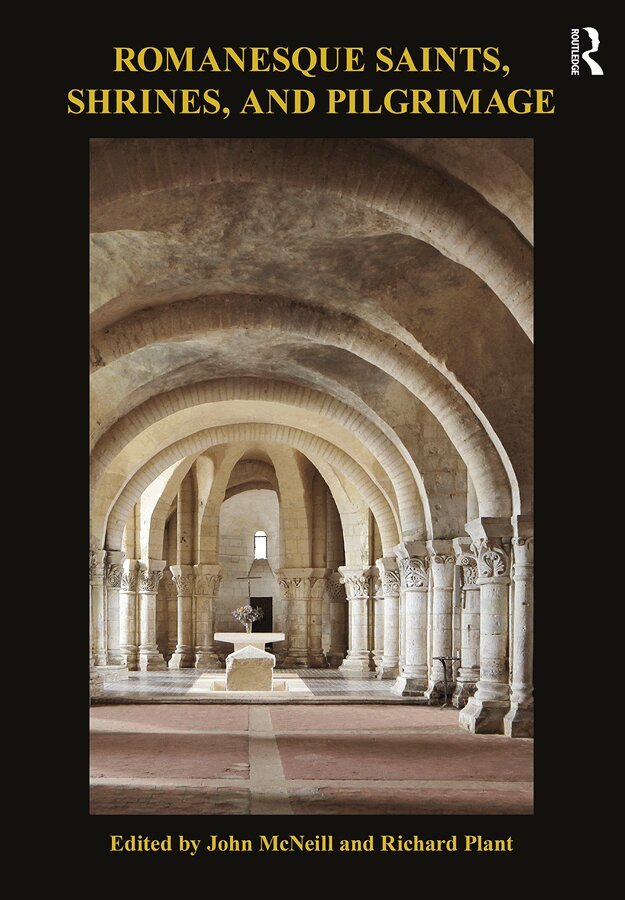
The 23 chapters in this volume explore the material culture of sanctity in Latin Europe and the Mediterranean between c. 1000 and c. 1220, with a focus on the ways in which saints and relics were enshrined, celebrated, and displayed.
Reliquary cults were particularly important during the Romanesque period, both as a means of affirming or promoting identity and as a conduit for the divine. This book covers the geography of sainthood, the development of spaces for reliquary display, the distribution of saints across cities, the use of reliquaries to draw attention to the attributes, and the virtues or miracle-working character of particular saints. Individual essays range from case studies on Verona, Hildesheim, Trondheim and Limoges, the mausoleum of Lazarus at Autun, and the patronage of Mathilda of Canossa, to reflections on local pilgrimage, the deployment of saints as physical protectors, the use of imagery where possession of a saint was disputed, island sanctuaries, and the role of Templars and Hospitallers in the promotion of relics from the Holy Land.
This book will serve historians and archaeologists studying the Romanesque period, and those interested in material culture and religious practice in Latin Europe and the Mediterranean c.1000–c.1220.
275 kr
Skickas inom 3-6 vardagar
This is the first comprehensive book in English on the fate of the homosexuals in Nazi Germany. The author, a German refugee, examines the climate and conditions that gave rise to a vicious campaign against Germany's gays, as directed by Himmler and his SS--persecution that resulted in tens of thousands of arrests and thousands of deaths.In this Nazi crusade, homosexual prisoners were confined to death camps where, forced to wear pink triangles, they constituted the lowest rung in the camp hierarchy. The horror of camp life is described through diaries, previously untranslated documents, and interviews with and letters from survivors, revealing how the anti-homosexual campaign was conducted, the crackpot homophobic fantasies that fueled it, the men who made it possible, and those who were its victims, this chilling book sheds light on a corner of twentieth-century history that has been hidden in the shadows much too long.
767 kr
Läs direkt efter köp
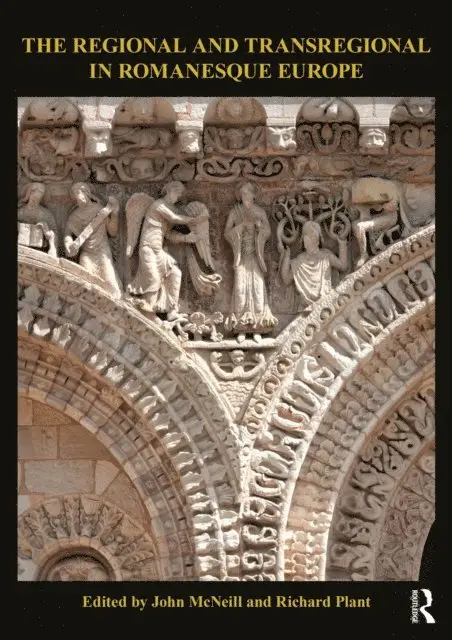
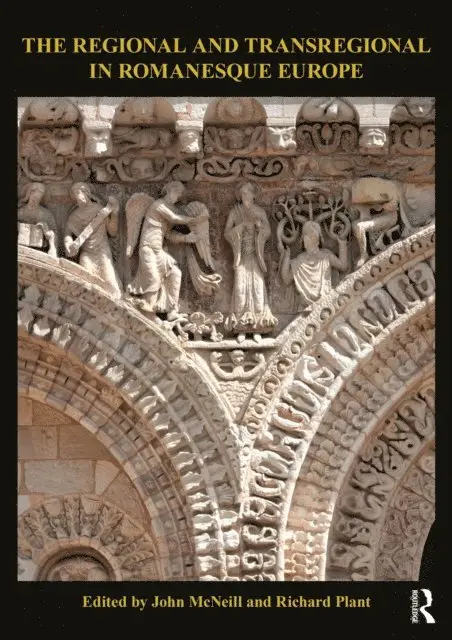
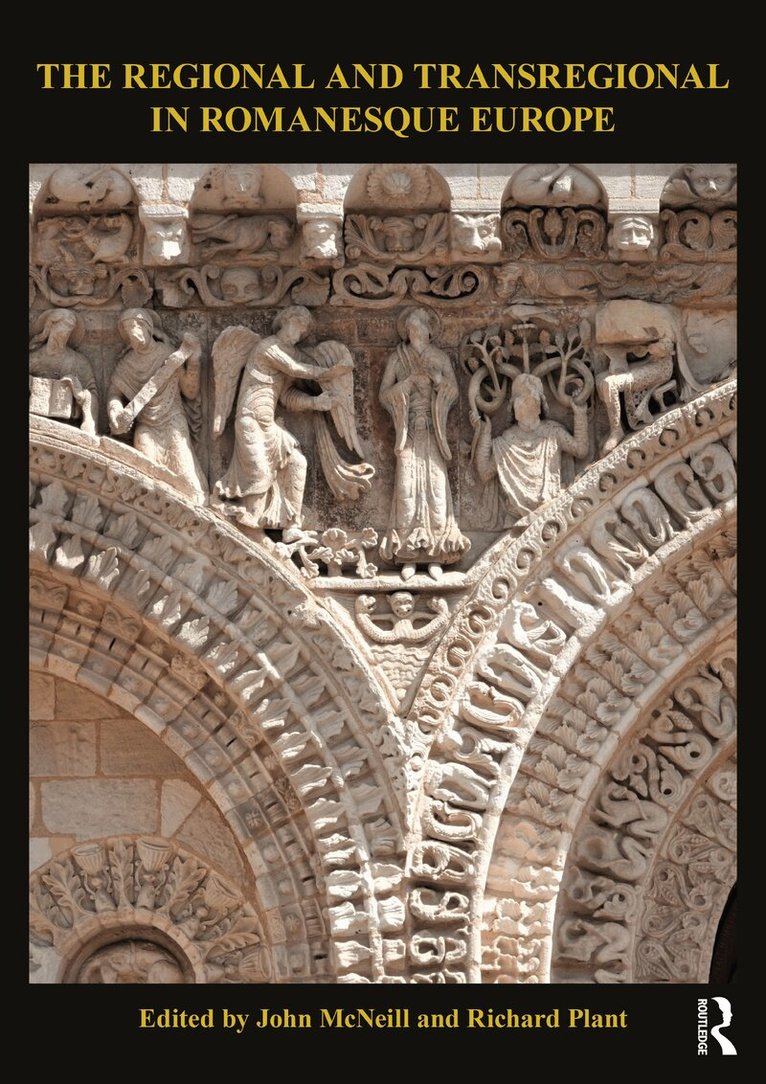
The Regional and Transregional in Romanesque Europe considers the historiography and usefulness of regional categories and in so doing explores the strength, durability, mutability, and geographical scope of regional and transregional phenomena in the Romanesque period.
This book addresses the complex question of the significance of regions in the creation of Romanesque, particularly in relation to transregional and pan-European artistic styles and approaches. The categorization of Romanesque by region was a cornerstone of 19th- and 20th-century scholarship, albeit one vulnerable to the application of anachronistic concepts of regional identity. Individual chapters explore the generation and reception of forms, the conditions that give rise to the development of transregional styles and the agencies that cut across territorial boundaries. There are studies of regional styles in Aquitaine, Castile, Sicily, Hungary, and Scandinavia; workshops in Worms and the Welsh Marches; the transregional nature of liturgical furnishings; the cultural geography of the new monastic orders; metalworking in Hildesheim and the valley of the Meuse; and the links which connect Piemonte with Conques.
The Regional and Transregional in Romanesque Europe offers a new vision of regions in the creation of Romanesque relevant to archaeologists, art historians, and historians alike.
668 kr
Skickas inom 10-15 vardagar
2 602 kr
Skickas inom 10-15 vardagar
1 676 kr
Läs direkt efter köp
1 676 kr
Läs direkt efter köp
785 kr
Läs direkt efter köp
779 kr
Läs direkt efter köp
791 kr
Skickas inom 10-15 vardagar
2 601 kr
Skickas inom 10-15 vardagar
112 kr
Läs direkt efter köp
921 kr
Läs direkt efter köp
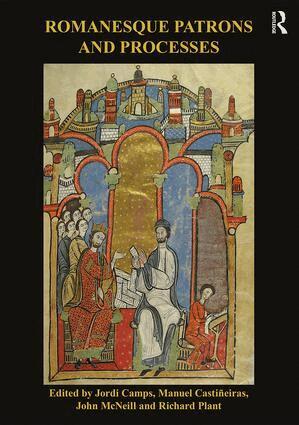
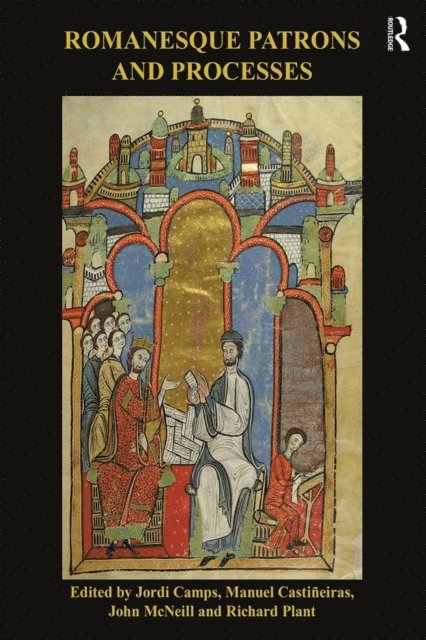
The twenty-five papers in this volume arise from a conference jointly organised by the British Archaeological Association and the Museu Nacional d’Art de Catalunya in Barcelona. They explore the making of art and architecture in Latin Europe and the Mediterranean between c. 1000 and c. 1250, with a particular focus on questions of patronage, design and instrumentality.
No previous studies of patterns of artistic production during the Romanesque period rival the breadth of coverage encompassed by this volume – both in terms of geographical origin and media, and in terms of historical approach. Topics range from case studies on Santiago de Compostela, the Armenian Cathedral in Jerusalem and the Winchester Bible to reflections on textuality and donor literacy, the culture of abbatial patronage at Saint-Michel de Cuxa and the re-invention of slab relief sculpture around 1100. The volume also includes papers that attempt to recover the procedures that coloured interaction between artists and patrons – a serious theme in a collection that opens with ‘Function, condition and process in eleventh-century Anglo-Norman church architecture’ and ends with a consideration of ‘The death of the patron’.
907 kr
Läs direkt efter köp
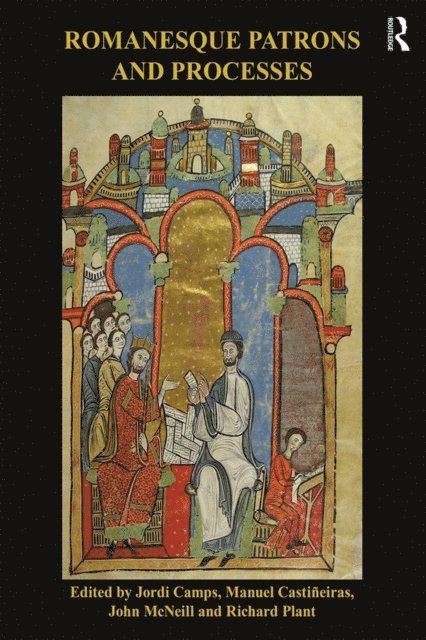
The twenty-five papers in this volume arise from a conference jointly organised by the British Archaeological Association and the Museu Nacional d’Art de Catalunya in Barcelona. They explore the making of art and architecture in Latin Europe and the Mediterranean between c. 1000 and c. 1250, with a particular focus on questions of patronage, design and instrumentality.
No previous studies of patterns of artistic production during the Romanesque period rival the breadth of coverage encompassed by this volume – both in terms of geographical origin and media, and in terms of historical approach. Topics range from case studies on Santiago de Compostela, the Armenian Cathedral in Jerusalem and the Winchester Bible to reflections on textuality and donor literacy, the culture of abbatial patronage at Saint-Michel de Cuxa and the re-invention of slab relief sculpture around 1100. The volume also includes papers that attempt to recover the procedures that coloured interaction between artists and patrons – a serious theme in a collection that opens with ‘Function, condition and process in eleventh-century Anglo-Norman church architecture’ and ends with a consideration of ‘The death of the patron’.
1 419 kr
Skickas inom 10-15 vardagar
557 kr
Kommande
432 kr
Tillfälligt slut