2 544 kr
Skickas inom 10-15 vardagar
2 544 kr
Skickas inom 10-15 vardagar
700 kr
Skickas inom 10-15 vardagar
2 544 kr
Skickas inom 10-15 vardagar
2 558 kr
Skickas inom 10-15 vardagar
943 kr
Skickas inom 10-15 vardagar
807 kr
Läs direkt efter köp
795 kr
Läs direkt efter köp
782 kr
Skickas inom 10-15 vardagar
820 kr
Läs direkt efter köp
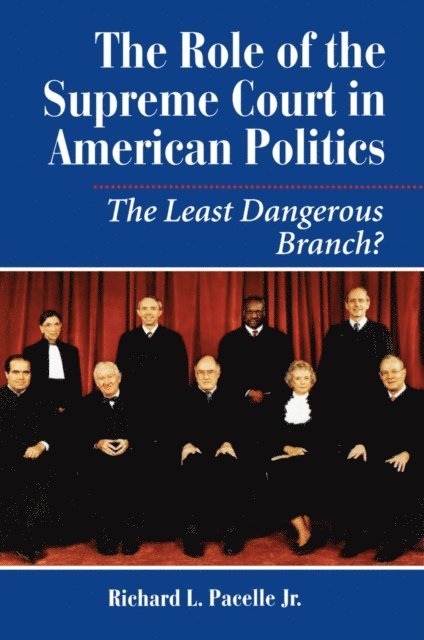
When we think of judicial activism–the Court''s role in making public policy–we often focus on individuals: the Robert Borks or Thurgood Marshalls of the times. In this book, Richard Pacelle explores the institutional judicial activism of the Supreme Court through the dramatic changes in its agenda as it has evolved from 1933 to the present. Once dominated by economic issues, the Supreme Court''s agenda is now populated largely by cases involving individual rights and liberties. This shift is hardly accidental, Pacelle argues, and he offers quantitative as well as qualitative assessments of the means and motivations for change. Over 7,500 cases serve as the basis of analysis, and the narrative is amplified by informative appendixes: an explanation of the author''s case taxonomy, a chronology of the Court''s chief justices, a list of cases cited, and a digest of key cases. The systematic framework provided for tracing historical changes in the Supreme Court''s agenda is the first of its kind and is sure to be valuable in future analyses and projections of coming change beyond the Rehnquist Court.
808 kr
Läs direkt efter köp
When we think of judicial activism–the Court''s role in making public policy–we often focus on individuals: the Robert Borks or Thurgood Marshalls of the times. In this book, Richard Pacelle explores the institutional judicial activism of the Supreme Court through the dramatic changes in its agenda as it has evolved from 1933 to the present. Once dominated by economic issues, the Supreme Court''s agenda is now populated largely by cases involving individual rights and liberties. This shift is hardly accidental, Pacelle argues, and he offers quantitative as well as qualitative assessments of the means and motivations for change. Over 7,500 cases serve as the basis of analysis, and the narrative is amplified by informative appendixes: an explanation of the author''s case taxonomy, a chronology of the Court''s chief justices, a list of cases cited, and a digest of key cases. The systematic framework provided for tracing historical changes in the Supreme Court''s agenda is the first of its kind and is sure to be valuable in future analyses and projections of coming change beyond the Rehnquist Court.
1 099 kr
Läs direkt efter köp
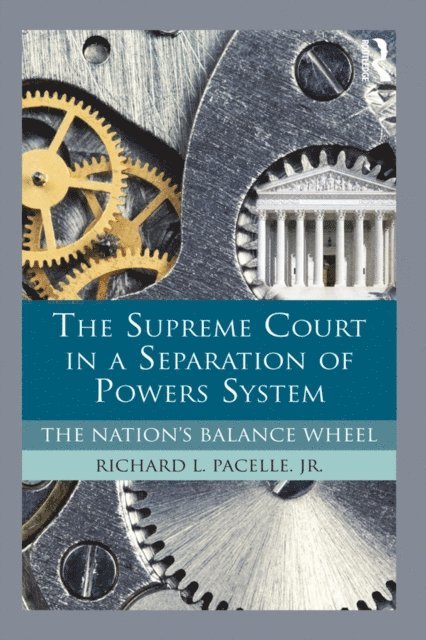
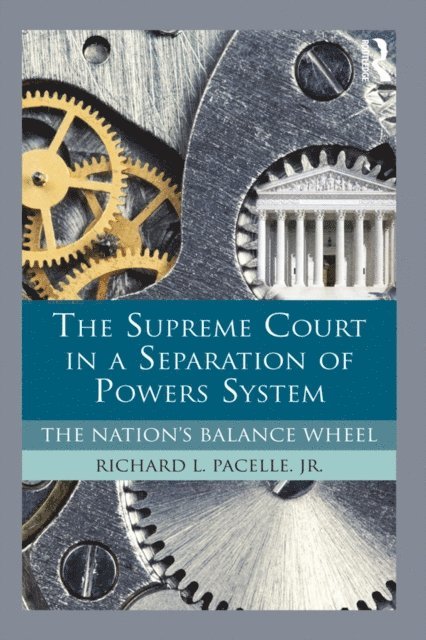
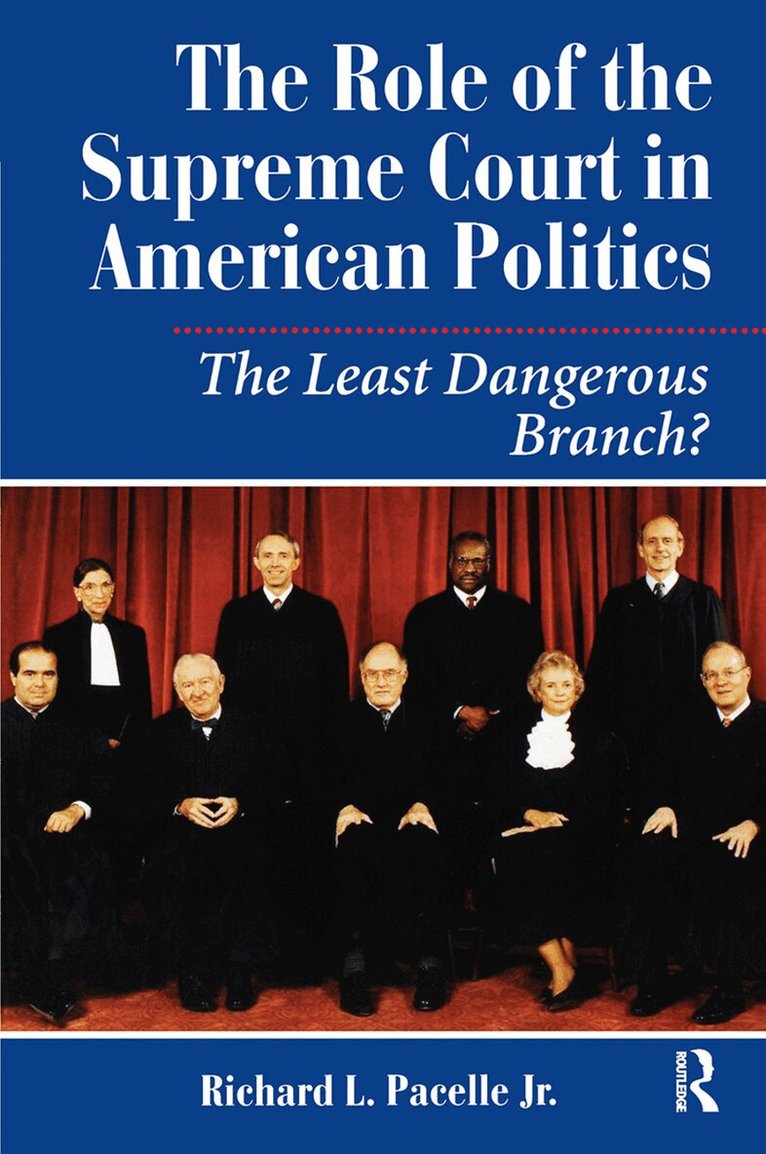
The U.S. Supreme Court is not a unitary actor and it does not function in a vacuum. It is part of an integrated political system in which its decisions and doctrine must be viewed in a broader context. In some areas, the Court is the lead policy maker. In other areas, the Court fills in the gaps of policy created in the legislative and executive branches. In either instance, the Supreme Court’s work is influenced by and in turn influences all three branches of the federal government as well as the interests and opinions of the American people.
Pacelle analyzes the Court’s interaction in the separation of powers system, detailing its relationship to the presidency, Congress, the bureaucracy, public opinion, interest groups, and the vast system of lower courts. The niche the Court occupies and the role it plays in American government reflect aspects of both the legal and political models. The Court has legal duties and obligations as well as some freedom to exercise its collective political will. Too often those studying the Court have examined it in isolation, but this book urges scholars and students alike to think more broadly and situate the highest court as the "balance wheel" in the American system.
1 092 kr
Läs direkt efter köp
The U.S. Supreme Court is not a unitary actor and it does not function in a vacuum. It is part of an integrated political system in which its decisions and doctrine must be viewed in a broader context. In some areas, the Court is the lead policy maker. In other areas, the Court fills in the gaps of policy created in the legislative and executive branches. In either instance, the Supreme Court’s work is influenced by and in turn influences all three branches of the federal government as well as the interests and opinions of the American people.
Pacelle analyzes the Court’s interaction in the separation of powers system, detailing its relationship to the presidency, Congress, the bureaucracy, public opinion, interest groups, and the vast system of lower courts. The niche the Court occupies and the role it plays in American government reflect aspects of both the legal and political models. The Court has legal duties and obligations as well as some freedom to exercise its collective political will. Too often those studying the Court have examined it in isolation, but this book urges scholars and students alike to think more broadly and situate the highest court as the "balance wheel" in the American system.
402 kr
Tillfälligt slut
528 kr
Tillfälligt slut