
E-bok
Engelska, 2021199 kr
Läs direkt efter köp
199 kr
Läs direkt efter köp
615 kr
Läs direkt efter köp
381 kr
Skickas inom 7-10 vardagar
1 793 kr
Skickas inom 7-10 vardagar
2 637 kr
Skickas inom 5-8 vardagar
2 365 kr
Läs direkt efter köp
2 365 kr
Läs direkt efter köp
306 kr
Läs direkt efter köp
2 627 kr
Skickas inom 7-10 vardagar
889 kr
Skickas inom 7-10 vardagar
620 kr
Läs direkt efter köp
306 kr
Läs direkt efter köp
2 526 kr
Skickas inom 10-15 vardagar
904 kr
Skickas inom 10-15 vardagar
217 kr
Skickas inom 7-10 vardagar
303 kr
Skickas inom 7-10 vardagar
342 kr
Skickas inom 7-10 vardagar

303 kr
Skickas inom 7-10 vardagar
904 kr
Skickas inom 7-10 vardagar
216 kr
Skickas inom 7-10 vardagar
342 kr
Skickas inom 7-10 vardagar
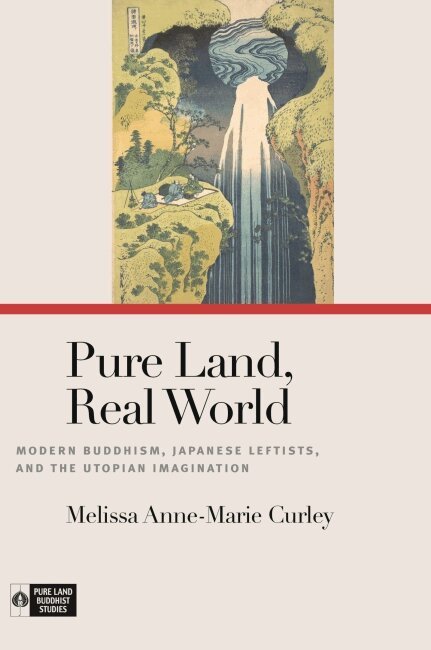
283 kr
Skickas
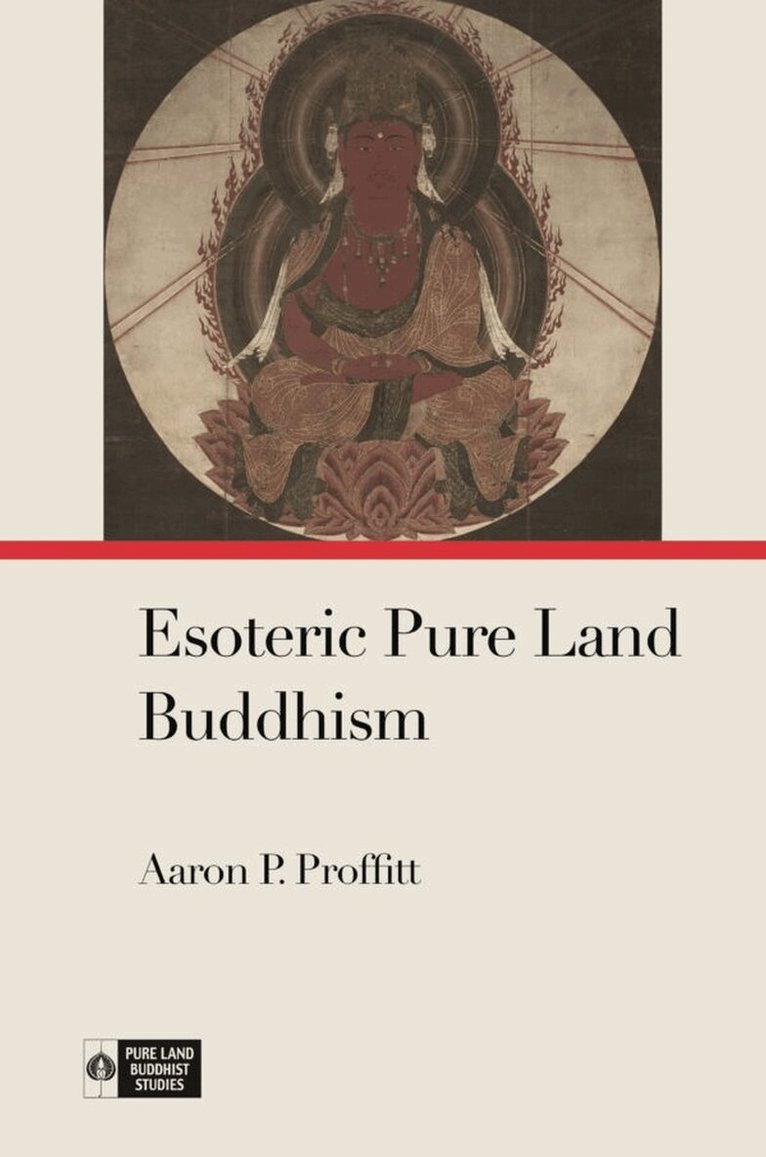
792 kr
Skickas inom 7-10 vardagar
383 kr
Skickas inom 7-10 vardagar
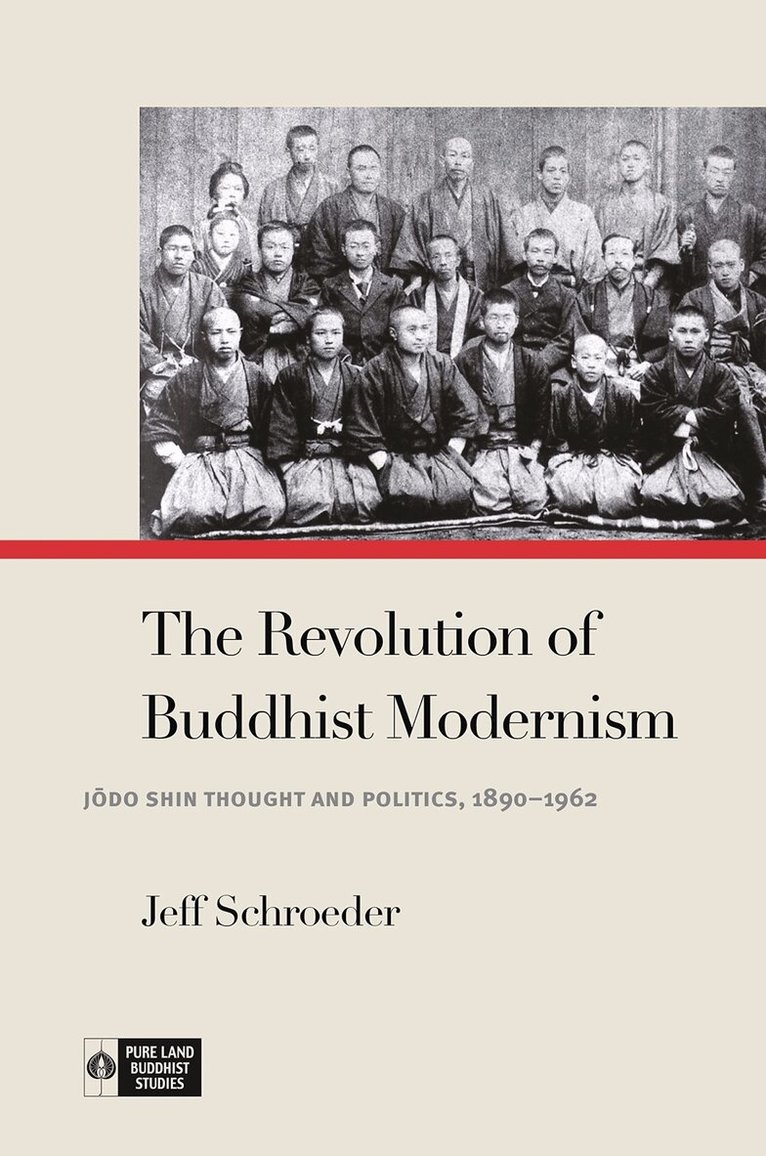
778 kr
Skickas inom 7-10 vardagar
328 kr
Skickas inom 7-10 vardagar

303 kr
Skickas inom 7-10 vardagar

173 kr
Läs direkt efter köp
1 051 kr
Läs direkt efter köp
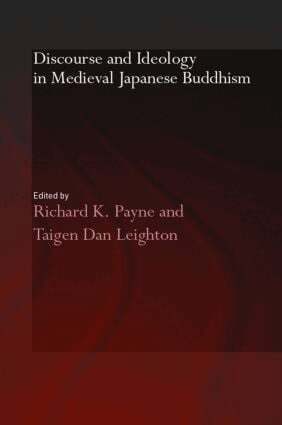
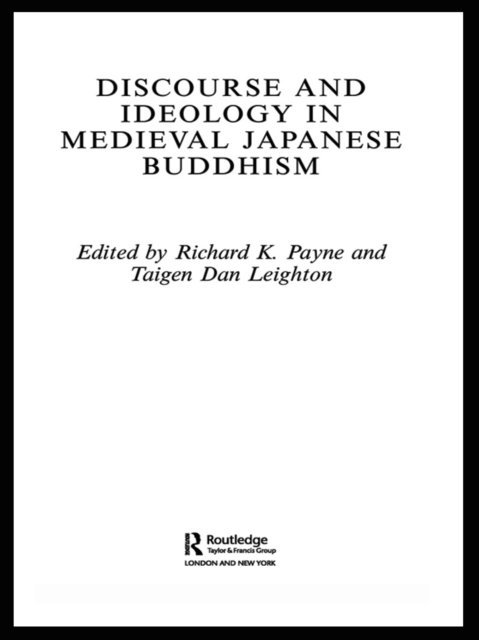
The medieval period of Japanese religious history is commonly known as one in which there was a radical transformation of the religious culture. This book suggests an alternate approach to understanding the dynamics of that transformation. One main topic of analysis focuses on what Buddhism - its practices and doctrines, its traditions and institutions - meant for medieval Japanese peoples themselves. This is achieved by using the notions of discourse and ideology and juxtaposing various topics on shared linguistic practices and discursive worlds of medieval Japanese Buddhism.
Collating contributions from outstanding scholars in the field of Buddhist Studies, the editors have created an important work that builds on preliminary work on rethinking the importance and meaning of Kamakura Buddhism published recently in English, and adds greatly to the debate.

1 074 kr
Läs direkt efter köp
The medieval period of Japanese religious history is commonly known as one in which there was a radical transformation of the religious culture. This book suggests an alternate approach to understanding the dynamics of that transformation. One main topic of analysis focuses on what Buddhism - its practices and doctrines, its traditions and institutions - meant for medieval Japanese peoples themselves. This is achieved by using the notions of discourse and ideology and juxtaposing various topics on shared linguistic practices and discursive worlds of medieval Japanese Buddhism.
Collating contributions from outstanding scholars in the field of Buddhist Studies, the editors have created an important work that builds on preliminary work on rethinking the importance and meaning of Kamakura Buddhism published recently in English, and adds greatly to the debate.