479 kr
Skickas
479 kr
Skickas
1 619 kr
Skickas inom 3-6 vardagar
155 kr
Skickas
258 kr
Skickas inom 3-6 vardagar
101 kr
Läs direkt efter köp
167 kr
Läs direkt efter köp
105 kr
Läs direkt efter köp
171 kr
Läs direkt efter köp
217 kr
Läs direkt efter köp
196 kr
Läs direkt efter köp
185 kr
Läs direkt efter köp
168 kr
Läs direkt efter köp
185 kr
Läs direkt efter köp
95 kr
Läs direkt efter köp
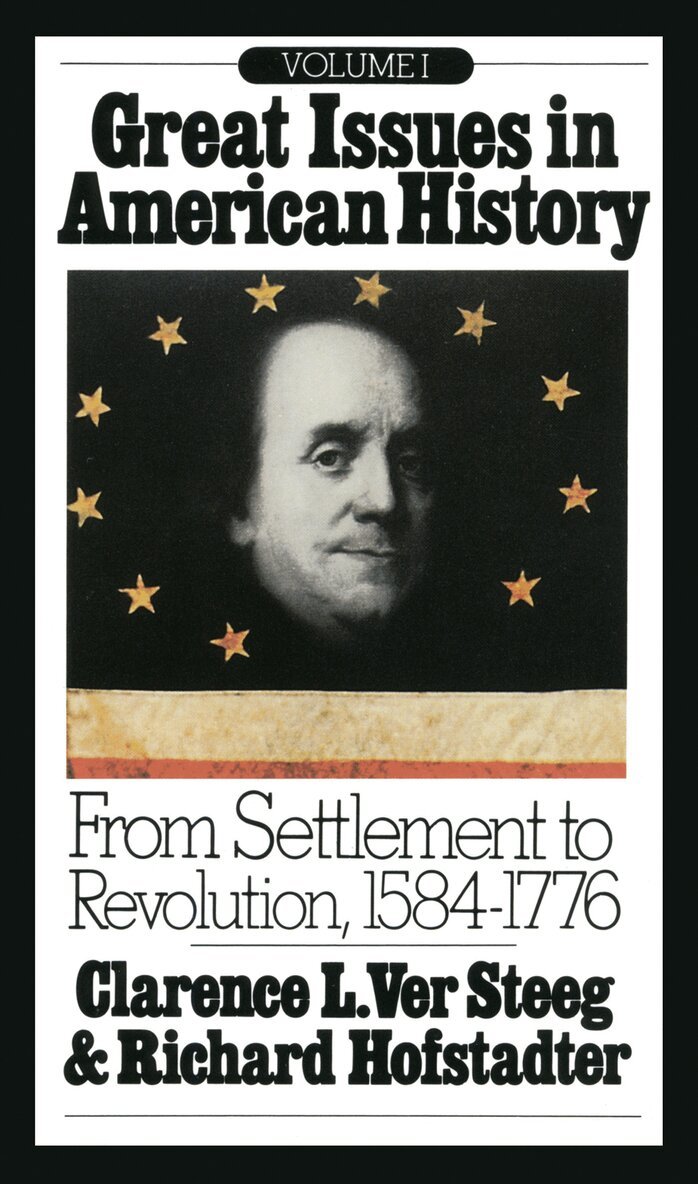
From Settlement to Revolution, 1584-1776
208 kr
Skickas inom 7-10 vardagar
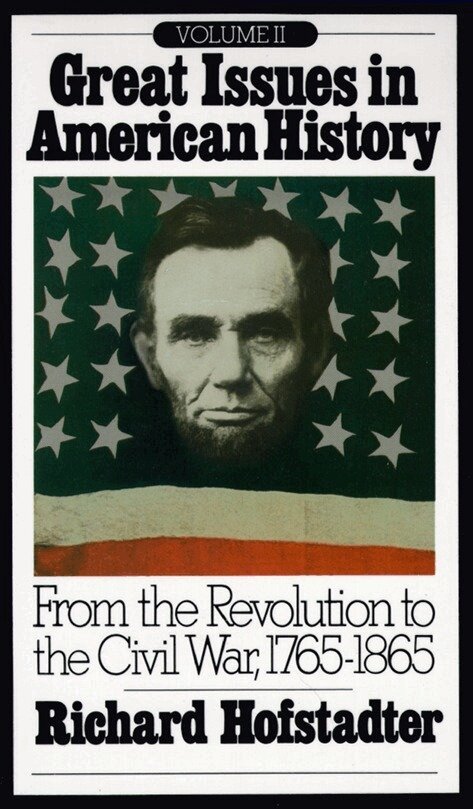
From the Revolution to the Civil War, 1765-1865
220 kr
Skickas inom 7-10 vardagar
254 kr
Skickas inom 7-10 vardagar
409 kr
Skickas inom 7-10 vardagar
479 kr
Läs direkt efter köp
16 kr
Läs direkt efter köp
284 kr
Skickas inom 3-6 vardagar
316 kr
Läs direkt efter köp
450 kr
Skickas inom 7-10 vardagar
797 kr
Läs direkt efter köp
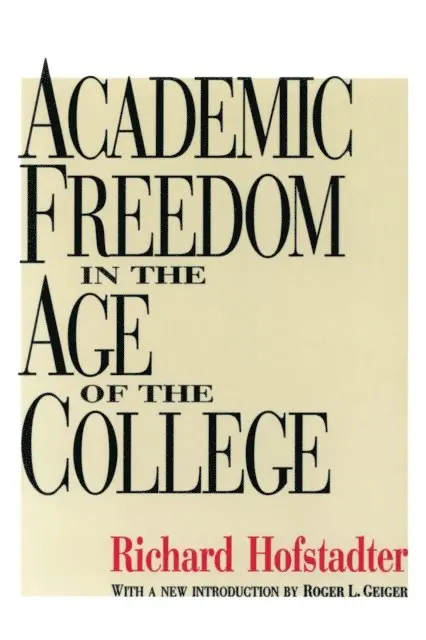
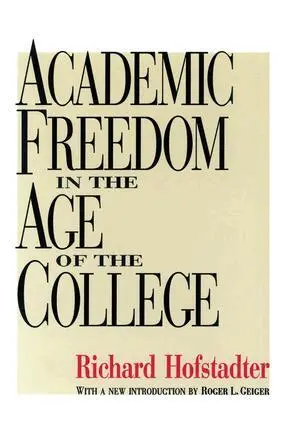
When this classic volume first appeared, academic freedom was a crucially important issue. It is equally so today. Hofstadter approaches the topic historically, showing how events from various historical epochs expose the degree of freedom in academic institutions. The volume exemplifies Richard Hofstader''s qualities as a historian as well as his characteristic narrative ability. Hofstadter first describes the medieval university and how its political independence evolved from its status as a corporate body, establishing a precedent for intellectual freedom that has been a measuring rod ever since. He shows how all intellectual discourse became polarized with the onset of the Reformation. The gradual spread of the Moderate Enlightenment in the colonies led to a major advance for intellectual freedom. But with the beginning of the nineteenth century the rise of denominationalism in both new and established colleges reversed the progress, and the secularization of learning became engulfed by a tidal wave of intensifying piety. Roger L. Geiger''s extensive new introduction evaluates Hofstadter''s career as a historian and political theorist, his interest in academic freedom, and the continuing significance of Academic Freedom in the Age of the College. While most works about higher education treat the subject only as an agent of social economic mobility, Academic Freedom in the Age of the College is an enduring counterweight to such histories as it examines a more pressing issue: the fact that colleges and universities, at their best, should foster ideas at the frontiers of knowledge and understanding. This classic text will be invaluable to educators, university administrators, sociologist, and historians.
803 kr
Läs direkt efter köp
When this classic volume first appeared, academic freedom was a crucially important issue. It is equally so today. Hofstadter approaches the topic historically, showing how events from various historical epochs expose the degree of freedom in academic institutions. The volume exemplifies Richard Hofstader''s qualities as a historian as well as his characteristic narrative ability. Hofstadter first describes the medieval university and how its political independence evolved from its status as a corporate body, establishing a precedent for intellectual freedom that has been a measuring rod ever since. He shows how all intellectual discourse became polarized with the onset of the Reformation. The gradual spread of the Moderate Enlightenment in the colonies led to a major advance for intellectual freedom. But with the beginning of the nineteenth century the rise of denominationalism in both new and established colleges reversed the progress, and the secularization of learning became engulfed by a tidal wave of intensifying piety. Roger L. Geiger''s extensive new introduction evaluates Hofstadter''s career as a historian and political theorist, his interest in academic freedom, and the continuing significance of Academic Freedom in the Age of the College. While most works about higher education treat the subject only as an agent of social economic mobility, Academic Freedom in the Age of the College is an enduring counterweight to such histories as it examines a more pressing issue: the fact that colleges and universities, at their best, should foster ideas at the frontiers of knowledge and understanding. This classic text will be invaluable to educators, university administrators, sociologist, and historians.
1 283 kr
Skickas inom 10-15 vardagar
1 347 kr
Läs direkt efter köp
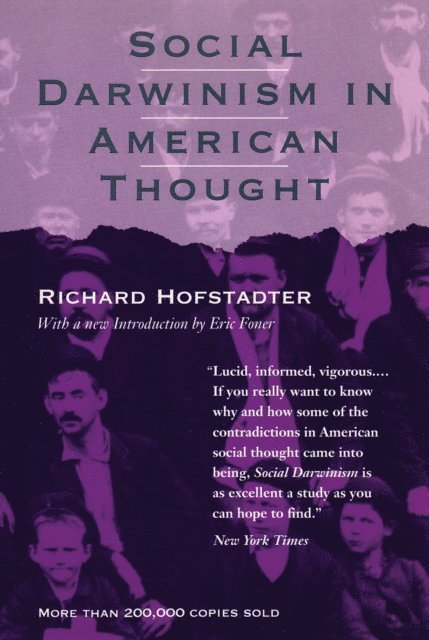
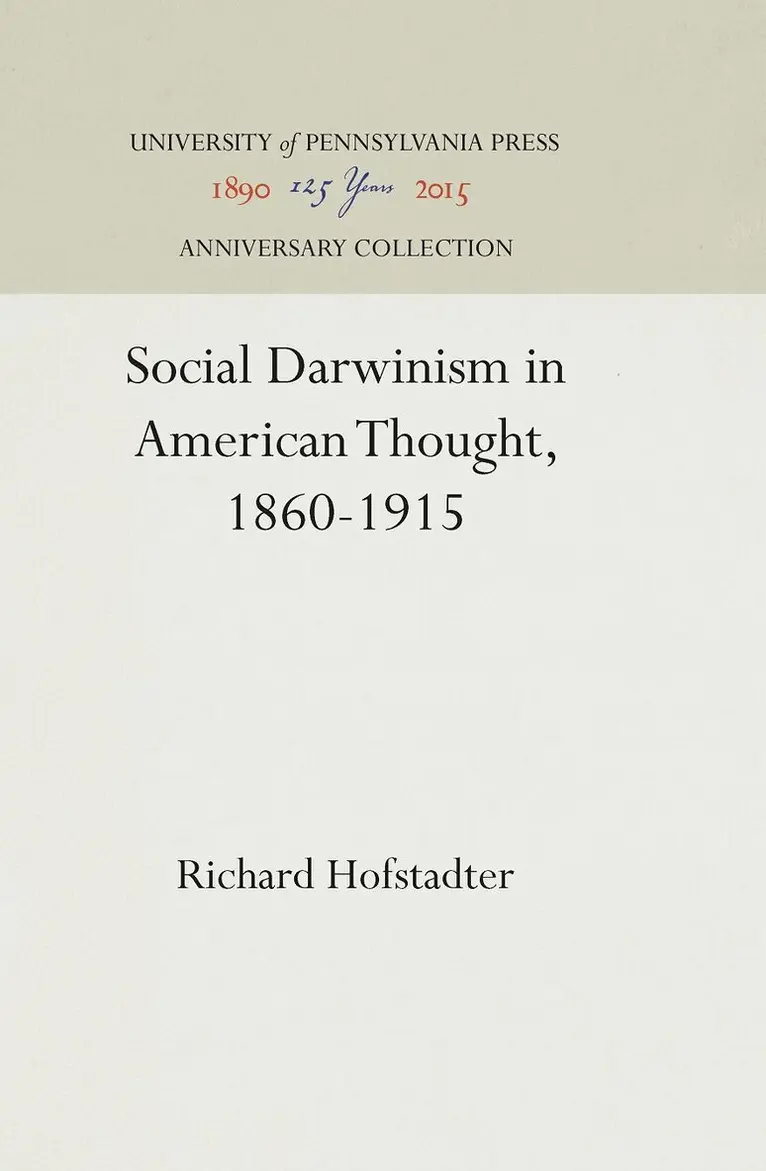
Social Darwinism in American Thought examines the overall influence of Darwin on American social theory and the notable battle waged among thinkers over the implications of evolutionary theory for social thought and political action. Theorists such as Herbert Spencer and William Graham Sumner adopted the idea of the struggle for existence as justification for the evils—as well as the benefits—of laissez-faire modern industrial society. Others, such as William James and John Dewey, argued that human planning was needed to direct social development and improve on the natural order.Hofstadter''s classic study of the ramifications of Darwinism is a major analysis of the social philosophies that animated intellectual movements of the Gilded Age and the Progressive Era.
718 kr
Skickas inom 10-15 vardagar
122 kr
Läs direkt efter köp
188 kr
Tillfälligt slut