646 kr
Skickas inom 10-15 vardagar
646 kr
Skickas inom 10-15 vardagar
2 550 kr
Skickas inom 10-15 vardagar
2 550 kr
Skickas inom 10-15 vardagar
628 kr
Skickas inom 10-15 vardagar
660 kr
Läs direkt efter köp
655 kr
Läs direkt efter köp
712 kr
Läs direkt efter köp
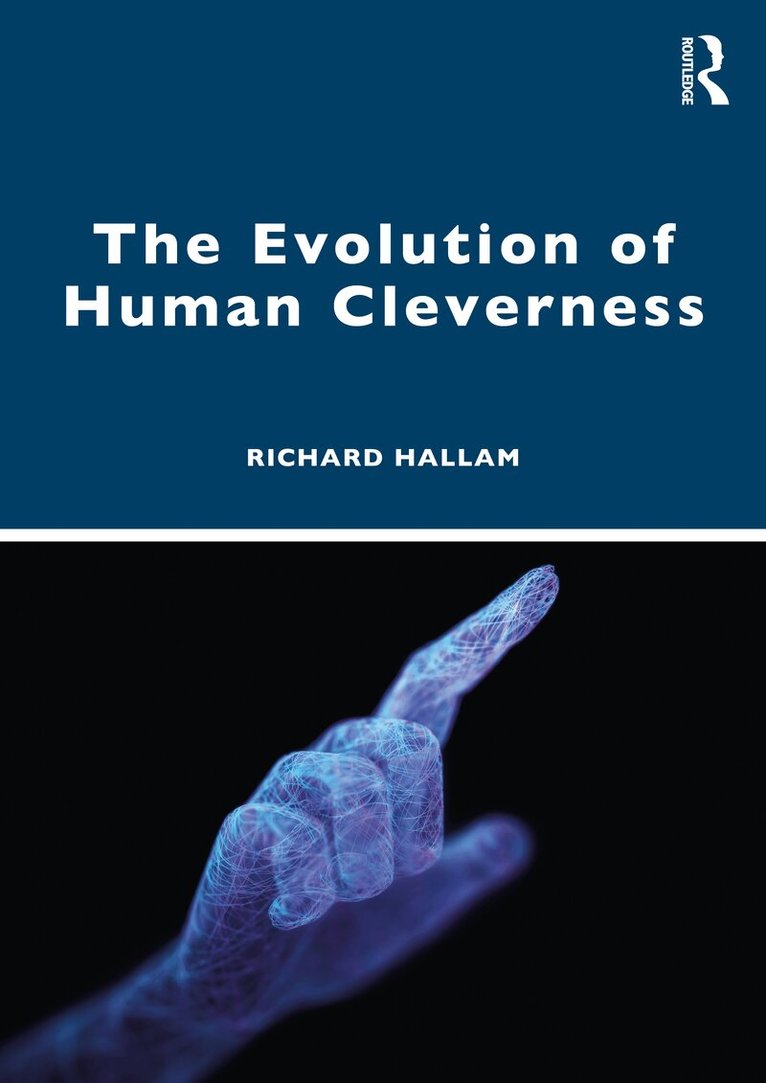
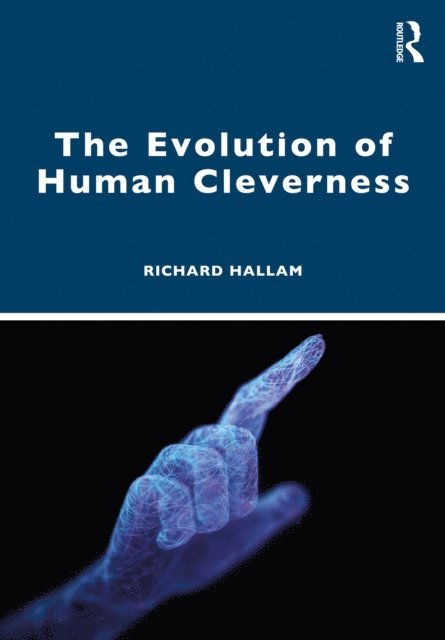
The Evolution of Human Cleverness presents a unique introduction to the way human cognitive abilities have evolved. The book comprises a series of mini-essays on distinct topics in which technical terms are simplified, considering how humans made the long journey from our ape-like ancestors to become capable of higher-level reasoning and problem solving.
All the topics are cross-linked, allowing the reader to dip in and out, but certain key concepts run through the underlying reasoning. Chiefly, these are adaptation and selection, the distinction between ultimate and proximate causes of behaviour, gene–culture co-evolution, and domain-general versus domain-specific cognitive processes. The book should help the reader draw lessons for the human species as a whole, especially in view of the environmental threats to its own existence.
Entries have been carefully crafted to cut through scientific jargon, providing bite-sized and digestible chunks of knowledge, making the topic accessible for students and lay readers alike. The author draws on research from diverse fields including Psychology, Anthropology, Archaeology, Biology, and Neuroscience to provide an unbiased account of the field, making it an ideal text for students of all levels.
727 kr
Läs direkt efter köp
The Evolution of Human Cleverness presents a unique introduction to the way human cognitive abilities have evolved. The book comprises a series of mini-essays on distinct topics in which technical terms are simplified, considering how humans made the long journey from our ape-like ancestors to become capable of higher-level reasoning and problem solving.
All the topics are cross-linked, allowing the reader to dip in and out, but certain key concepts run through the underlying reasoning. Chiefly, these are adaptation and selection, the distinction between ultimate and proximate causes of behaviour, gene–culture co-evolution, and domain-general versus domain-specific cognitive processes. The book should help the reader draw lessons for the human species as a whole, especially in view of the environmental threats to its own existence.
Entries have been carefully crafted to cut through scientific jargon, providing bite-sized and digestible chunks of knowledge, making the topic accessible for students and lay readers alike. The author draws on research from diverse fields including Psychology, Anthropology, Archaeology, Biology, and Neuroscience to provide an unbiased account of the field, making it an ideal text for students of all levels.
2 228 kr
Skickas inom 10-15 vardagar
722 kr
Läs direkt efter köp
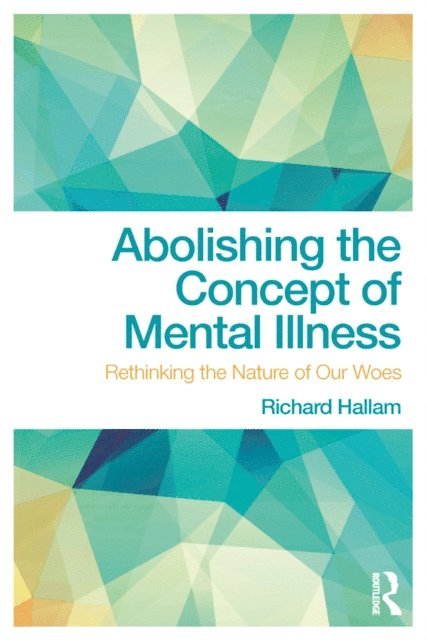
In Abolishing the Concept of Mental Illness: Rethinking the Nature of Our Woes, Richard Hallam takes aim at the very concept of mental illness, and explores new ways of thinking about and responding to psychological distress.
Though the concept of mental illness has infiltrated everyday language, academic research, and public policy-making, there is very little evidence that woes are caused by somatic dysfunction. This timely book rebuts arguments put forward to defend the illness myth and traces historical sources of the mind/body debate. The author presents a balanced overview of the past utility and current disadvantages of employing a medical illness metaphor against the backdrop of current UK clinical practice.
Insightful and easy to read, Abolishing the Concept of Mental Illness will appeal to all professionals and academics working in clinical psychology, as well as psychotherapists and other mental health practitioners.
706 kr
Läs direkt efter köp
In Abolishing the Concept of Mental Illness: Rethinking the Nature of Our Woes, Richard Hallam takes aim at the very concept of mental illness, and explores new ways of thinking about and responding to psychological distress.
Though the concept of mental illness has infiltrated everyday language, academic research, and public policy-making, there is very little evidence that woes are caused by somatic dysfunction. This timely book rebuts arguments put forward to defend the illness myth and traces historical sources of the mind/body debate. The author presents a balanced overview of the past utility and current disadvantages of employing a medical illness metaphor against the backdrop of current UK clinical practice.
Insightful and easy to read, Abolishing the Concept of Mental Illness will appeal to all professionals and academics working in clinical psychology, as well as psychotherapists and other mental health practitioners.
554 kr
Skickas inom 10-15 vardagar