221 kr
Skickas
221 kr
Skickas
116 kr
Skickas inom 5-8 vardagar
95 kr
Läs direkt efter köp
95 kr
Läs direkt efter köp
126 kr
Läs direkt efter köp
98 kr
Läs direkt efter köp
695 kr
Skickas inom 10-15 vardagar
2 526 kr
Skickas inom 10-15 vardagar
749 kr
Läs direkt efter köp
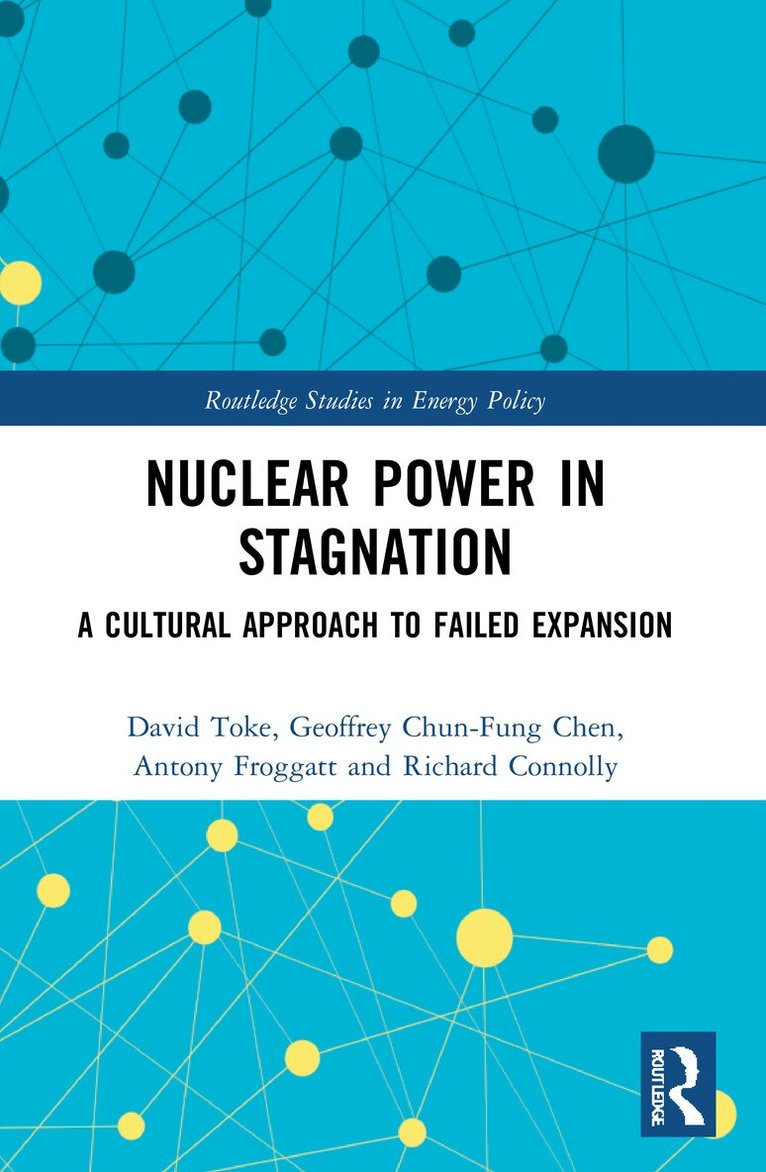
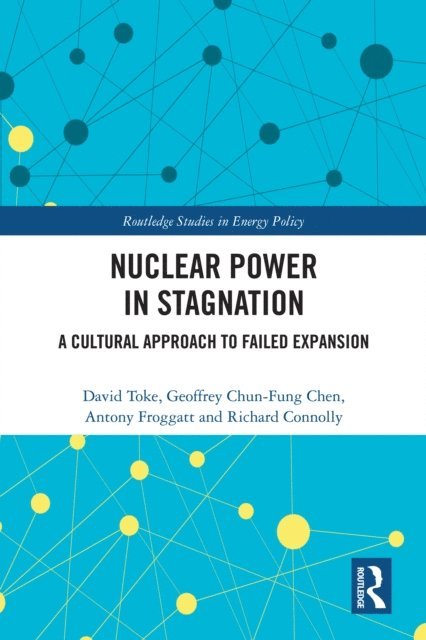
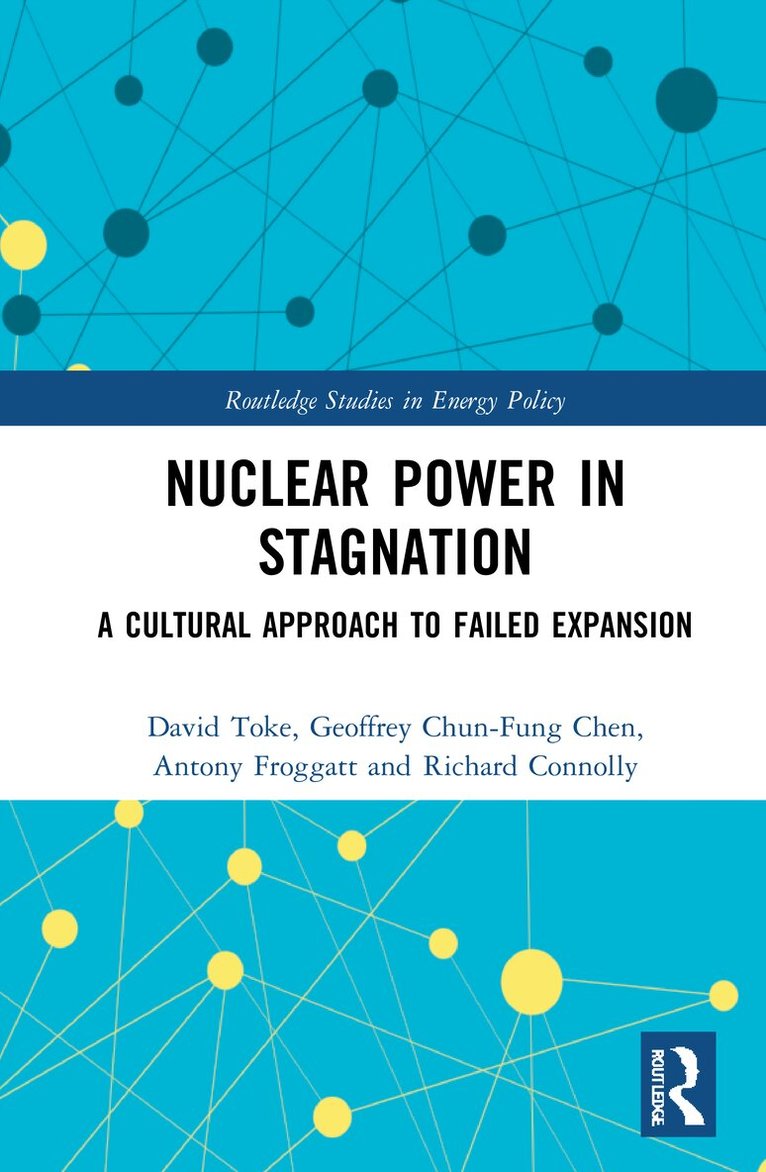
This book studies the extent to which nuclear safety issues have contributed towards the stagnation of nuclear power development around the world, and accounts for differences in safety regulations in different countries.
In order to understand why nuclear development has not met widespread expectations, this book focusses on six key countries with active nuclear power programmes: the USA, China, France, South Korea, the UK, and Russia. The authors integrate cultural theory and theory of regulation, and examine the links between pressures of cultural bias on regulatory outcomes and political pressures which have led to increased safety requirements and subsequent economic costs. They discover that although nuclear safety is an important upward driver of costs in the nuclear power industry, this is influenced by the inherent need to control potentially dangerous reactions rather than stricter nuclear safety standards. The findings reveal that differences in the strictness of nuclear safety regulations between different countries can be understood by understanding differences in cultural contexts and the changes in this over time.
This book will be of great interest to students, scholars, and policymakers working on energy policy and regulation, environmental politics and policy, and environment and sustainability more generally.
210 kr
Skickas inom 7-10 vardagar
370 kr
Skickas inom 7-10 vardagar
582 kr
Skickas inom 7-10 vardagar
1 832 kr
Skickas inom 7-10 vardagar
1 004 kr
Läs direkt efter köp
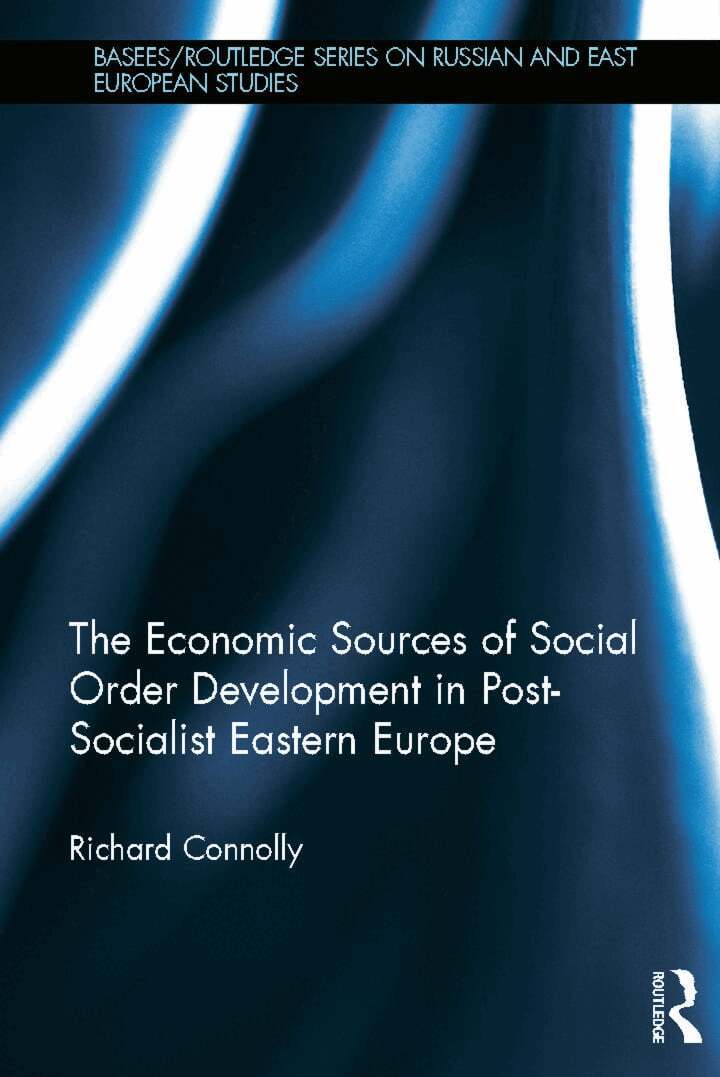
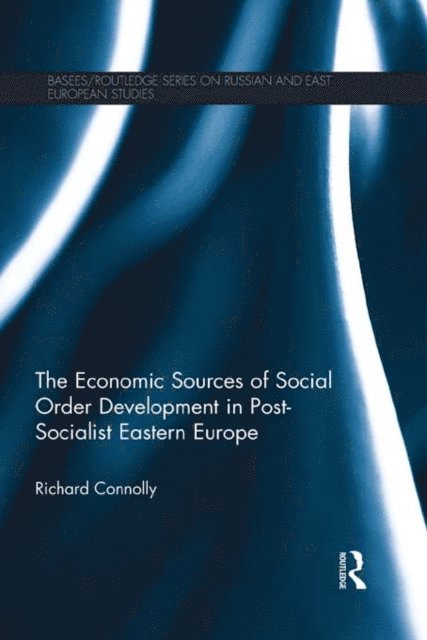
Nearly twenty years after the collapse of socialism, the countries of post-socialist Eastern Europe have experienced divergent trajectories of political development. This book looks at why this is the case, based on the assumption that societies, or social orders, can be distinguished by the extent to which competitive tendencies contained within them – economic, political, social and cultural – are resolved according to open, rule-based processes.
The book explores which economic conditions allow for increased levels of political competition, and it tests the hypothesis that the nature of a country’s ties with the international economy, and the level of competition within a country’s economic system, will shape the trajectory of political competition within that society. The book goes on to argue that after several decades of relative ‘bloc autarky’ during the socialist period, the ongoing process of reintegration with the international economy across the post-socialist region has resulted in distinct patterns of structural economic development, and that that these patterns are of crucial importance in explaining the variation in social order type across the post-socialist region. By offering a more precise analysis of the causal mechanisms that link economic and political competition, the book makes a useful contribution to research on the different patterns of political behaviour that have been observed across the post-socialist region since the collapse of the socialist regimes.
983 kr
Läs direkt efter köp
Nearly twenty years after the collapse of socialism, the countries of post-socialist Eastern Europe have experienced divergent trajectories of political development. This book looks at why this is the case, based on the assumption that societies, or social orders, can be distinguished by the extent to which competitive tendencies contained within them – economic, political, social and cultural – are resolved according to open, rule-based processes.
The book explores which economic conditions allow for increased levels of political competition, and it tests the hypothesis that the nature of a country’s ties with the international economy, and the level of competition within a country’s economic system, will shape the trajectory of political competition within that society. The book goes on to argue that after several decades of relative ‘bloc autarky’ during the socialist period, the ongoing process of reintegration with the international economy across the post-socialist region has resulted in distinct patterns of structural economic development, and that that these patterns are of crucial importance in explaining the variation in social order type across the post-socialist region. By offering a more precise analysis of the causal mechanisms that link economic and political competition, the book makes a useful contribution to research on the different patterns of political behaviour that have been observed across the post-socialist region since the collapse of the socialist regimes.
2 526 kr
Skickas inom 10-15 vardagar
857 kr
Skickas inom 10-15 vardagar
1 298 kr
Skickas inom 7-10 vardagar
240 kr
Skickas inom 7-10 vardagar