This is a story of greed.A young lawyer in a public housing authority tries to solve a mystery. A major public works project is underway. In the course of his usual attention to task the awarding of contracts, the dealing with various complaints he discovers an anomaly. It appears a leak has developed, and funds otherwise unaccounted for are slipping away.As he explores the issue further, however tentative, groping, uncertain he finds that more and more obstacles have subtly been placed in his way. The last of these, as he persists, are not so subtle the implication that he is somehow responsible for the disappearance of the funds and the attempt to kill him. He has, in short, become the object of his own investigation or some others.Injured and alienated, he must find the way with the help of a few unlikely allies to exonerate himself and place blame where it belongs.
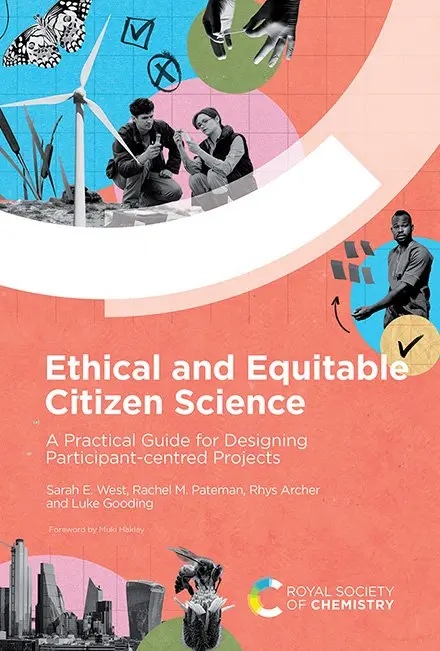
Making use of citizen scientists in research is a great way to increase our capacity to collect valuable data and also helps us to engage with the people the research is likely to impact. Involving volunteers in our research can increase the wider public understanding of the research process as well as giving communities a sense of ownership of, and connection to, the research. This practical, step-by-step book will guide you using case studies from around the world and drawing on the authors' extensive experience. With a focus on how to ethically and equitably engage participants this book will help you develop a great project and create an engaged and interested community. With tips on recruitment, retention and different methods of engagement this book will be a great resource for anyone working in environmental science or other areas where a citizen science approach could provide useful data.